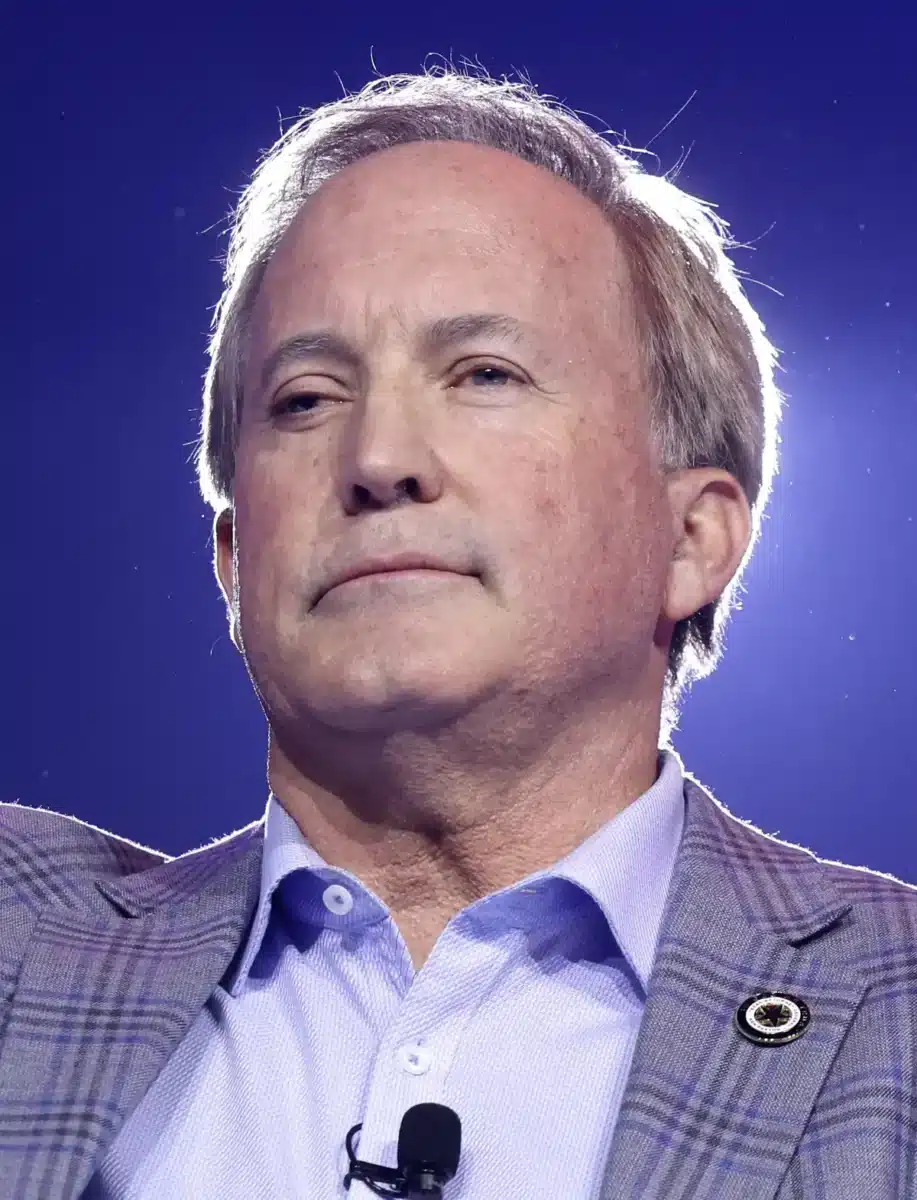
Bill Ackman and his wife, designer and entrepreneur Neri Oxman, are donating approximately $400 million in Pershing Square stock to launch the Ackman Oxman Institute (AOI), a new Manhattan neuroscience and longevity center aimed at accelerating brain research into clinical treatments. The billionaire hedge fund manager announced the initiative on August 19 via a lengthy post on X, describing it as a “bet on the brain” that will combine research, rehabilitation, clinical trials, and longevity science under one campus on Manhattan’s West Side.
The project grew from a family crisis that reshaped Ackman’s philanthropic priorities. His 26-year-old daughter Lucy suffered a massive brain hemorrhage in February and was found unconscious in her Brooklyn apartment after lying there for more than 15 hours. She underwent emergency surgery, including a hemicraniectomy to relieve pressure on her brain, and spent several weeks in a coma before beginning rehabilitation. Months of her treatment and recovery convinced Ackman and Oxman that the brain’s capacity to heal far exceeded what existing medical infrastructure could deliver—and that a dedicated, well-funded institute could accelerate that progress.
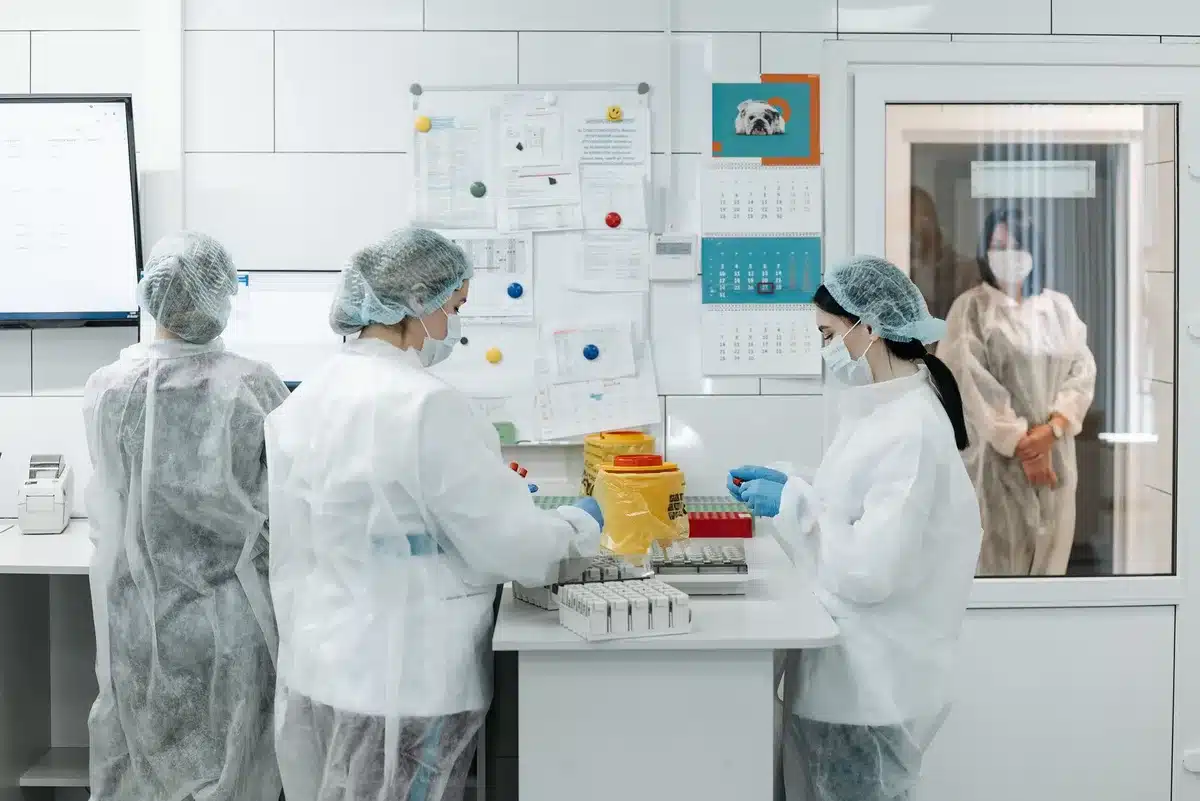
Ackman’s stated mission for AOI is ambitious: “to build the world’s greatest brain research, rehabilitation, recovery, human optimization, and longevity institute.” The institute will operate as a nonprofit but with “highly commercial instincts,” running its own venture fund, seeding companies around technologies developed on campus, and reinvesting financial returns into further research. Unlike traditional academic centers focused on publishing papers, AOI will be explicitly patient-centric, prioritizing the speed from discovery to treatments, devices, and cures.
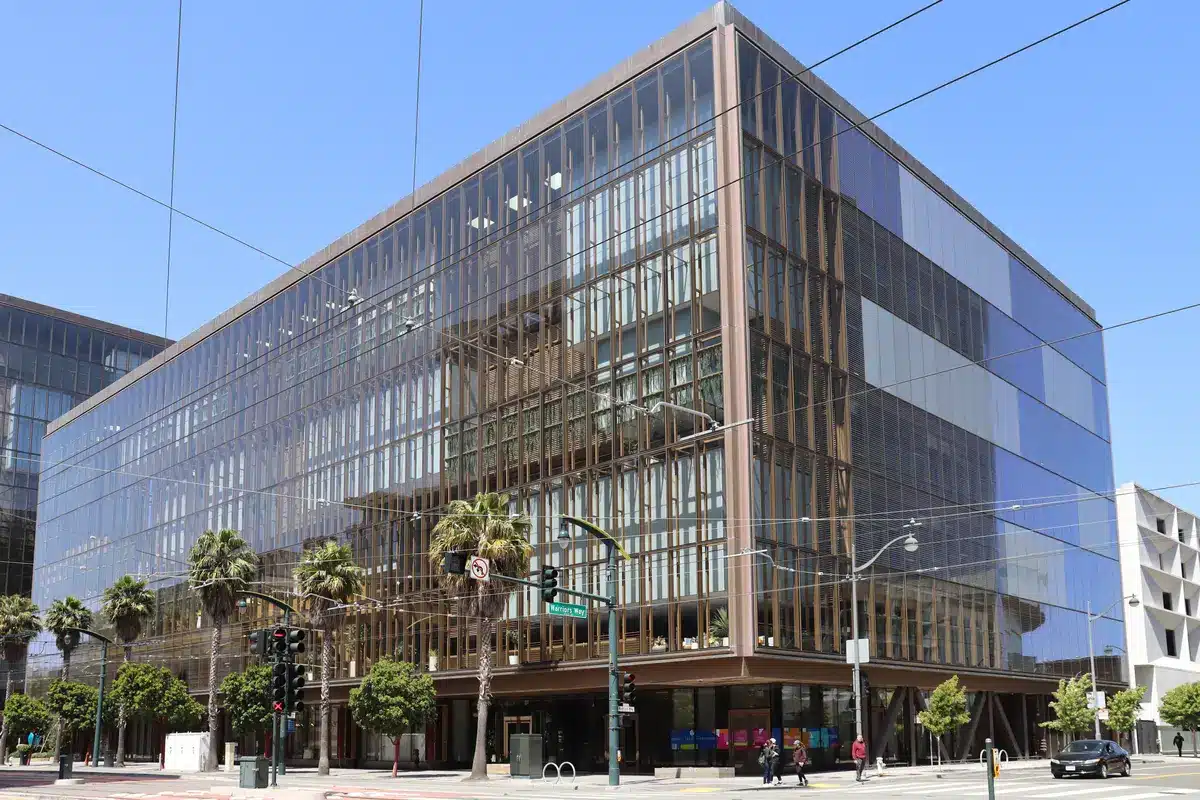
The institute’s physical footprint underscores that ambition. The Pershing Square Foundation acquired a nearly vacant 400,000-square-foot biotech facility on Manhattan’s West Side after a real estate colleague alerted Ackman to the property in May. The foundation has also secured an adjoining 130,000-square-foot building under contract and is acquiring a neighboring vacant lot. With additional construction permitted under current zoning, the campus could expand to 680,000 square feet—larger than Rockefeller University’s laboratory footprint.

Ackman has committed to a second donation of similar or potentially greater size, and the institute has already identified a CEO expected to be announced by October. The board includes inventor Dean Kamen (whom Ackman described as “our generation’s Thomas Edison”), Regeneron co-founder and chief scientific officer George Yancopoulos, Nobel Prize-winning biochemist James Rothman, neuroscientist Bernardo Sabatini, and Lucy’s own neurosurgeon, Chris Kellner.
Why Now: The Case Against Universities
Five years ago, Ackman and Oxman considered launching a brain institute but abandoned the idea, citing prohibitive Manhattan real estate costs and the belief that it would be “too difficult to recruit the best talent from universities.” The equation has shifted, Ackman argued. Real estate became available at a 70% discount, and universities have become “a much less attractive place to work,” he wrote, citing campus politics, antisemitism, and declining funding as factors eroding their appeal to elite researchers.
This argument reflects Ackman’s broader critique of elite universities. He led pressure campaigns against former Harvard president Claudine Gay, criticized Harvard’s handling of antisemitism and its diversity policies, and called for the removal of board members. Now, with AOI, he is betting that independent, well-funded institutes can outcompete universities for top talent—a wager backed by hundreds of millions of dollars and a personal mission tied to his daughter’s recovery.
Ackman will not be the only major philanthropist investing in brain science. In July, the Gates Foundation bought a $353 million stake in Home Depot while reducing its Berkshire position, signaling a shift in diversification strategy. More broadly, neuroscience funding has expanded significantly, with the NIH’s BRAIN Initiative receiving a 33 percent budget boost in the 2026 spending plan. Yet AOI’s scale, independence, and commercial focus mark a distinctive approach—one that treats brain research not as an academic pursuit but as a venture with venture capital discipline.
Sources
- Fortune — Ackman’s announcement, institute structure, board members, and university critique.
- Quartz — Donation amount in Pershing Square stock and institute mission.
- Yahoo Finance — Lucy’s brain hemorrhage, timeline, and family inspiration for the institute.
- The Times — Lucy’s near-fatal hemorrhage and Ackman’s commitment to brain research.
- Calcalis Tech — AOI structure as patient-focused, nonprofit with commercial instincts.
- The Real Deal — Manhattan West Side campus acquisition and property details.