Natalie Harp, a 35-year-old White House aide who serves as President Trump’s executive assistant, has become the unexpected focus of a political firestorm after Sen. Jon Ossoff invoked her during a campaign speech criticizing the president’s priorities.
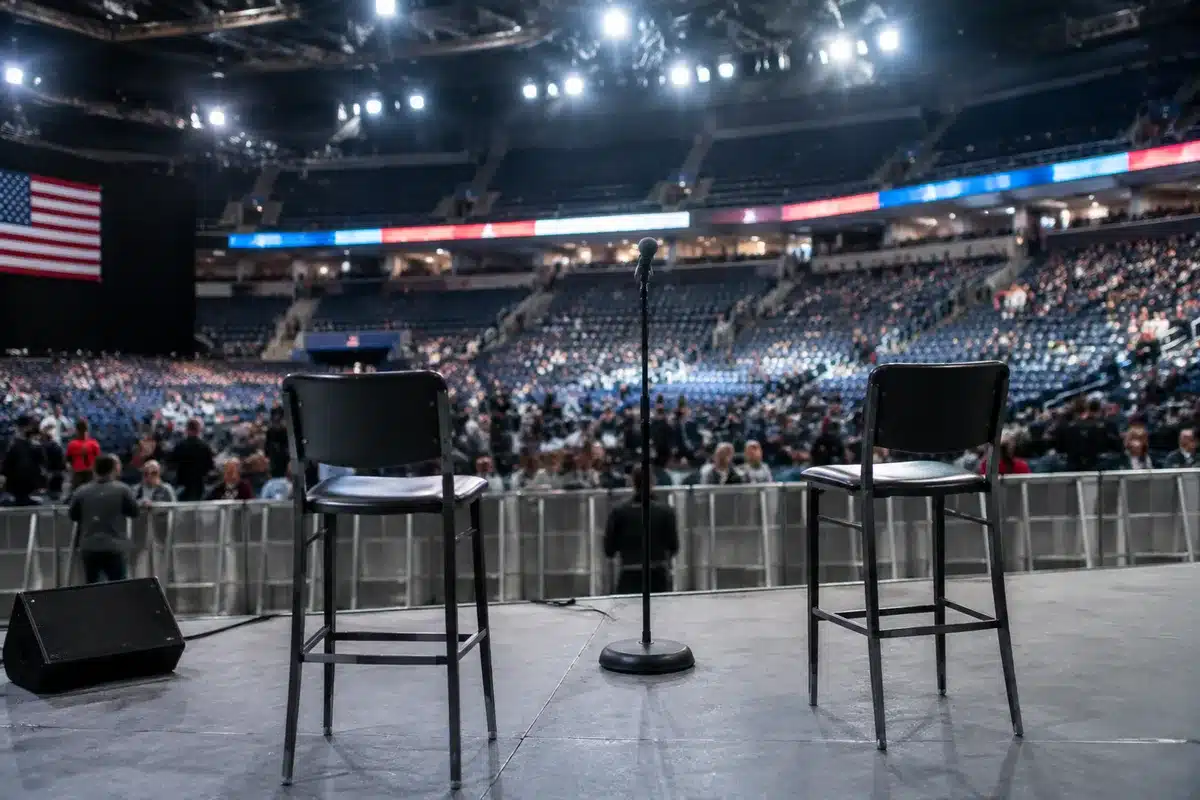
During a rally in Georgia on Sunday, Ossoff said Trump “doesn’t want to do the job” but instead wants to “build his ballroom and travel with Natalie on their apparently defenseless flying palace gifted by the emir of Qatar,” referring to the new Air Force One jet and a controversial White House ballroom renovation project. The remark triggered an intense response from Trump’s inner circle, with the president’s son Eric Trump calling Ossoff’s comments “absolute trash” and White House communications director Steven Cheung launching what sources described as vulgar attacks against the Georgia Democrat.
Ossoff doubled down on Wednesday, telling MSNBC’s Lawrence O’Donnell that the backlash had been “amazing to watch.” He argued that Harp and other White House staffers, as public officials paid by taxpayers with “immense power in positions of public trust,” should be fair targets for political criticism. “No one cares about their feelings,” Ossoff said.
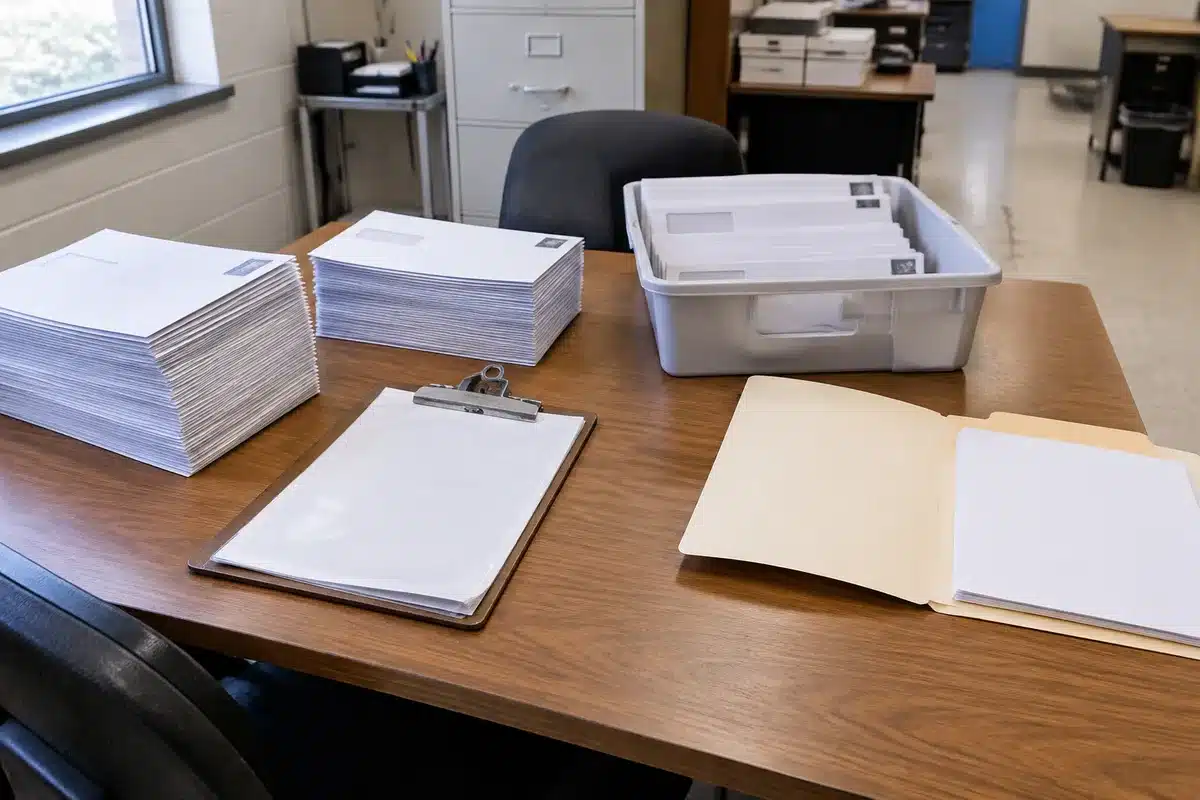
Harp’s prominence in Trump’s orbit stems from her unusually close relationship with the president and her expansive role beyond typical executive assistant duties. She is known in Trump circles as the “human printer” — a frequent presence at his side with hard copies of news articles, social media posts, and messages tailored to the president. Trump, who prefers reading on paper, has granted Harp significant influence over what information reaches him.
Harp also routinely posts for the president on his Truth Social account. Video resurfaced this week showing Trump dictating posts to Harp in real time while watching a speech by then-Vice President Kamala Harris in 2024, with Harp typing them up and sending them out in his characteristic style, including sporadically capitalized words and exclamation points.
Journalist Maggie Haberman of the New York Times offered a striking explanation for Harp’s indispensability to Trump. When Trump secretly switched from Air Force One to a separate military jet in July amid a potential Iranian assassination threat in Turkey, he left behind Cabinet officials but brought Harp along. Haberman said on air that Harp was brought because “she is sort of his binky, for lack of a better way of putting it, a comfort blanket.” Haberman also noted that Harp, along with Deputy Chief of Staff Dan Scavino, has “some access to-slash-control over his social media.”
Harp’s path to Trump’s inner circle began with a personal story. Diagnosed with Stage 2 bone cancer in the early 2010s, she credited a law Trump signed in his first term — the Right to Try law — with saving her life by giving her access to experimental treatment. At the 2020 Republican National Convention, she recounted: “I was that forgotten person on the side of the road and left to die of cancer. But then, an outsider — my Good Samaritan, President Donald J. Trump — he saw me there, and he didn’t walk by. He stopped.” Experts later told the Washington Post in 2020 that the law likely had no effect on her case, as the drug she credited Trump with helping her access was already FDA-approved.
Before joining Trump’s White House in January 2025 as executive assistant to the president, Harp was a host on the right-wing One America News from 2020 to 2022, where she praised the president and his policies on her show “The Real Story.” She had also advised Trump’s 2020 and 2024 campaigns and was part of his inner circle at Mar-a-Lago during his time out of office.

The intensity of the White House’s response to Ossoff’s remarks underscores how sensitive the Trump administration has become about Harp’s role. Her estranged brother, Preston Harp, described her devotion to Trump as an “unhealthy obsession” in a CNN interview, a characterization that has circulated widely amid renewed scrutiny of her position. Eric Trump countered that Harp is “an incredible young woman” and “arguably one of the hardest-working people in the White House.”
Ossoff, who is seeking reelection in Georgia against Trump-backed Rep. Mike Collins, has also been widely floated as a potential 2028 presidential candidate. His willingness to name Harp directly in a campaign speech — rather than speaking only to policy disagreements — signals a shift in how Democratic critics are willing to engage with Trump’s inner circle, moving beyond institutional critique to focus on the personalities and relationships shaping the administration.
Sources
- The Hill — Ossoff’s Wednesday defense of his remarks, his characterization of Harp and White House staffers as public officials, and the White House response from Eric Trump and Steven Cheung.
- The Washington Post — Harp’s official role as executive assistant, her nickname as the “human printer,” her influence over Trump’s information diet and social media, her cancer diagnosis and Right to Try law claims, her work at One America News, her presence during the secret plane swap, and expert analysis of the Right to Try law’s actual effect on her case.
- DataForSEO search results and multiple outlets — Maggie Haberman’s description of Harp as Trump’s “binky” and “comfort blanket,” her explanation for why Harp was brought on the secret plane, and her role in managing Trump’s social media access.