
The U.S. Department of Health and Human Services announced on August 10, 2026, two landmark food policy reforms designed to increase federal oversight of ingredients and establish a scientific foundation for nutrition policy: a proposed rule requiring manufacturers to notify the FDA when they determine a substance is Generally Recognized as Safe (GRAS), and submission of the federal government’s first proposed definition of ultra-processed foods.
“Nearly 60% of the American diet is made up of ultra-processed foods, and childhood obesity now affects more than one in five American children,” HHS Secretary Robert F. Kennedy Jr. said in a statement. “We cannot reverse America’s chronic disease epidemic without transforming our food system.”
The GRAS notification rule represents a fundamental shift in how the FDA oversees food ingredients. Since 1958, when Congress established the GRAS exemption, manufacturers have been permitted to reach their own conclusions about whether substances are safe for food use without notifying the agency. In 1997, the FDA made notification voluntary, allowing companies to self-certify ingredients without government review. Under the proposed rule announced this week, that voluntary system would become mandatory, requiring manufacturers to inform the FDA whenever they introduce a new GRAS substance into the food supply.

The change closes what advocates have called a critical information gap. According to the HHS fact sheet, since the voluntary notification program began in 1997, at least 1,000 human food substances have entered the market based on manufacturers’ self-determinations, with no public disclosure of the underlying safety information. The proposed rule would expand the FDA’s public-facing inventory of GRAS notices and improve the agency’s visibility into ingredients entering commerce.
Acting FDA Commissioner Kyle Diamantas said the reforms aim to increase transparency. “Americans deserve confidence that the ingredients in their food are subject to transparent, science-based oversight,” he stated. The rule does not require premarket approval—companies may continue marketing substances before and during the notification process—but it does mandate that manufacturers provide the FDA with the basis for their GRAS conclusion.
Alongside the GRAS rule, HHS and the U.S. Department of Agriculture submitted for final White House review the first federal definition of ultra-processed foods. The definition was sent to the Office of Management and Budget on August 3, 2026, as a white paper rather than a formal proposed regulation, reflecting ongoing policy development. The agencies had sought public input on the definition throughout 2025 and early 2026, incorporating feedback from researchers, industry, consumer organizations, and the public.
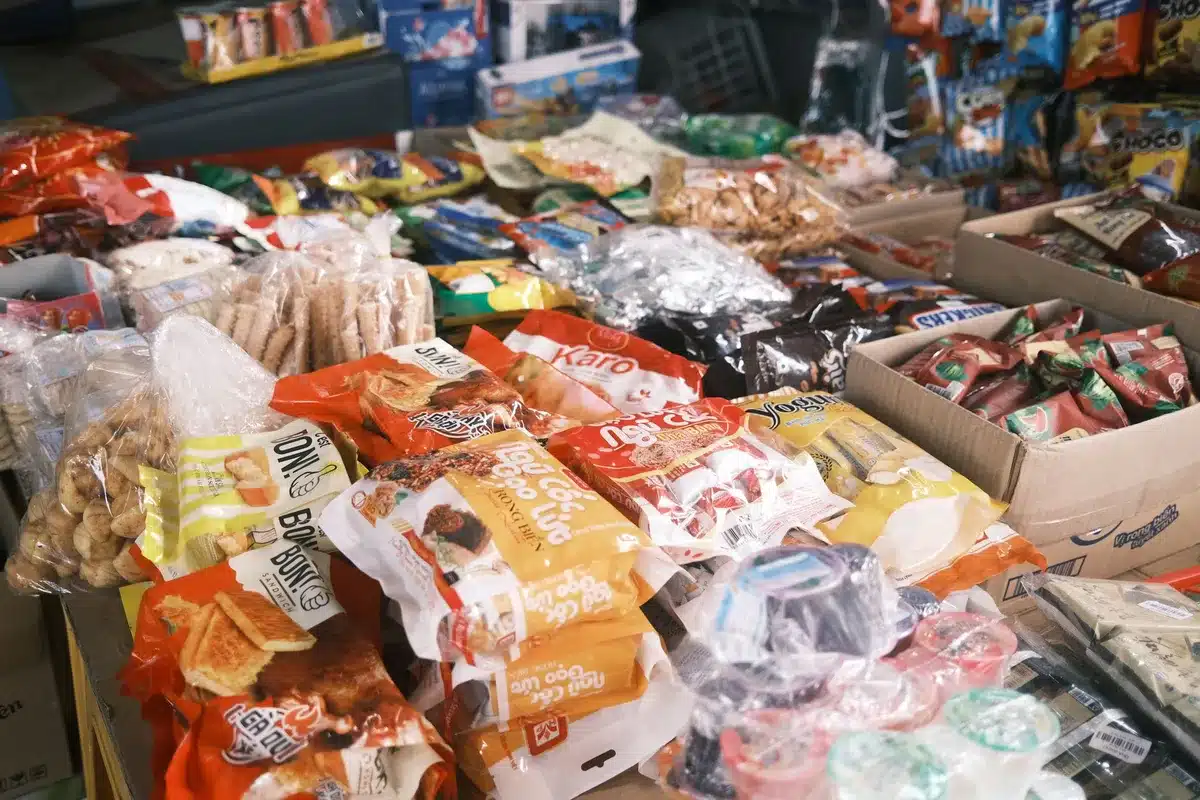
The ultra-processed food definition addresses a long-standing gap in federal nutrition policy. Although research has linked high consumption of ultra-processed foods to preventable chronic diseases including type 2 diabetes and heart disease, the absence of a standardized federal definition has limited research consistency across government agencies and hindered evidence-based policymaking.
The food industry has already signaled resistance to aspects of the proposal. The Consumer Brands Association, which represents major companies like PepsiCo, Nestle, and Kraft Heinz, cautioned that a broad definition could capture too much of the food supply. “Any so-called definition that captures 80% of the nation’s food supply while picking winners and losers is fundamentally flawed,” said Rhonda Bentz, a spokesperson for the organization. The Consumer Healthcare Products Association raised similar concerns about the potential impact on dietary supplements and over-the-counter medicines.
The GRAS proposed rule is subject to a 120-day public comment period, closing on December 9, 2026. If finalized, the rule would take effect 60 days after publication. For substances already on the market under prior self-GRAS determinations, the rule establishes a streamlined submission pathway requiring only basic identifying information, allowing manufacturers one year to comply.
The announcements advance the Trump Administration’s Make America Healthy Again strategy and build on earlier actions including updated Dietary Guidelines for Americans and the establishment of a systematic post-market assessment process to evaluate substances already in the food supply.
Sources
- HHS Press Room — official announcement of the proposed GRAS rule and ultra-processed foods definition, August 10, 2026
- HHS Fact Sheet — details on the GRAS rule, regulatory history since 1958, and the voluntary notification program established in 1997
- CNBC — coverage of the announcement, industry response, and details on the ultra-processed foods definition submission to OMB
- Holland & Knight — comprehensive legal analysis of the proposed GRAS rule, regulatory history, and key provisions
- Food Industry Executive — reporting on the ultra-processed foods definition submitted as a white paper to OMB on August 3, 2026