
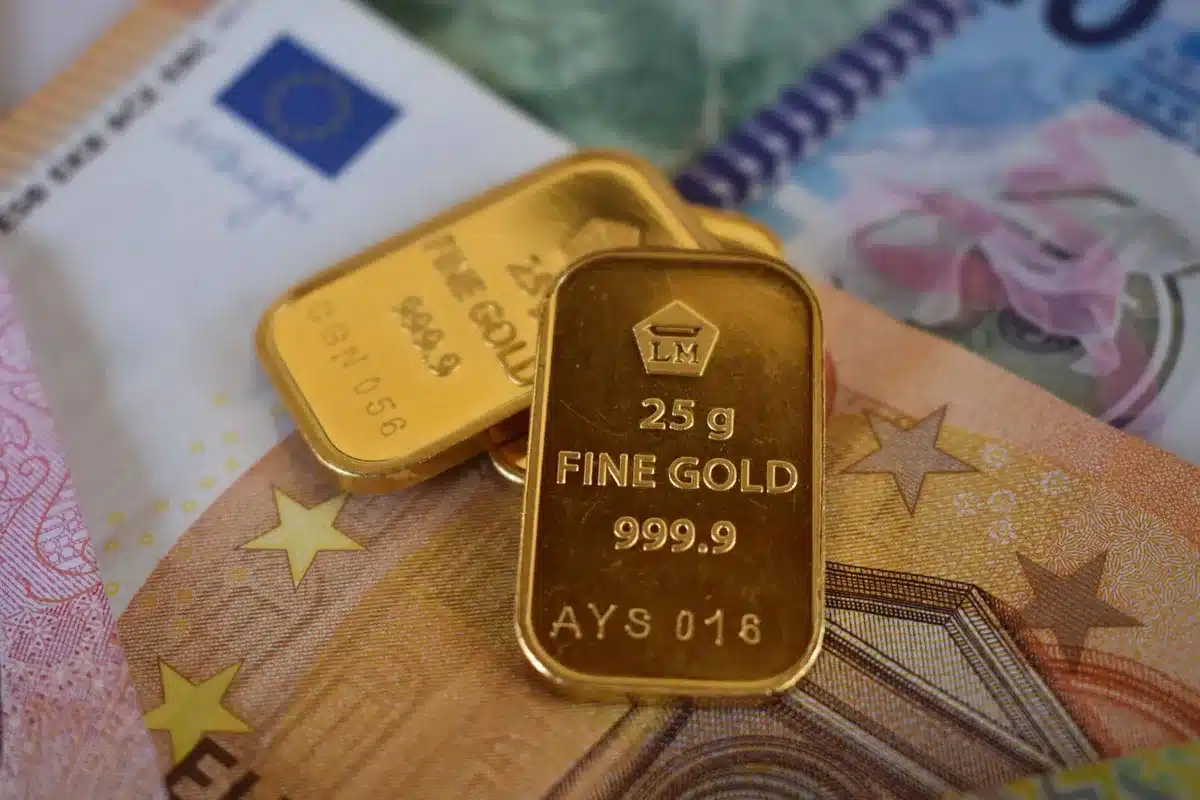
Gold holds near $4,490 after the U.S. Treasury announced Wednesday it will double its buyback operations for longer-term government debt, sending bond yields sharply lower and boosting demand for the non-interest-bearing metal.
The Treasury Department said it will increase the maximum size of buyback operations for 10-year through 30-year securities from $2 billion to at least $4 billion per operation, effective September 9. Gold bullion jumped $100 inside 45 minutes on the news, hitting its highest level since early June above $4,460 per troy ounce, according to BullionVault, while the 30-year Treasury yield plunged nearly 0.15 percentage points to around 5.19 percent from Tuesday’s 5.34 percent—its highest since 2007.
Lower bond yields reduce the opportunity cost of holding gold, which generates no interest income, making it more attractive relative to yield-bearing Treasury bonds. The dollar also weakened, declining 0.7 percent against a basket of major currencies, further supporting precious metals prices, according to reporting from Anadolu Agency.
The buyback program was initiated in 2024 under Treasury Secretary Janet Yellen and was originally designed to improve liquidity in older “off-the-run” Treasury securities—bonds no longer at the front of the market—rather than to manage yields directly. Buybacks totaled $32 billion in 2024, increased to about $78 billion in 2025, and have reached roughly $50 billion so far in 2026, according to data cited by Janney fixed-income strategist Guy LeBas in MarketWatch reporting.
Treasury Secretary Scott Bessent’s decision to expand the program signals a more aggressive stance on managing long-term borrowing costs, which had climbed to multi-decade highs amid summer bond-market turmoil. The announcement came as yields threatened to pressure housing markets and consumer stocks, and it preceded a scheduled 20-year Treasury auction.
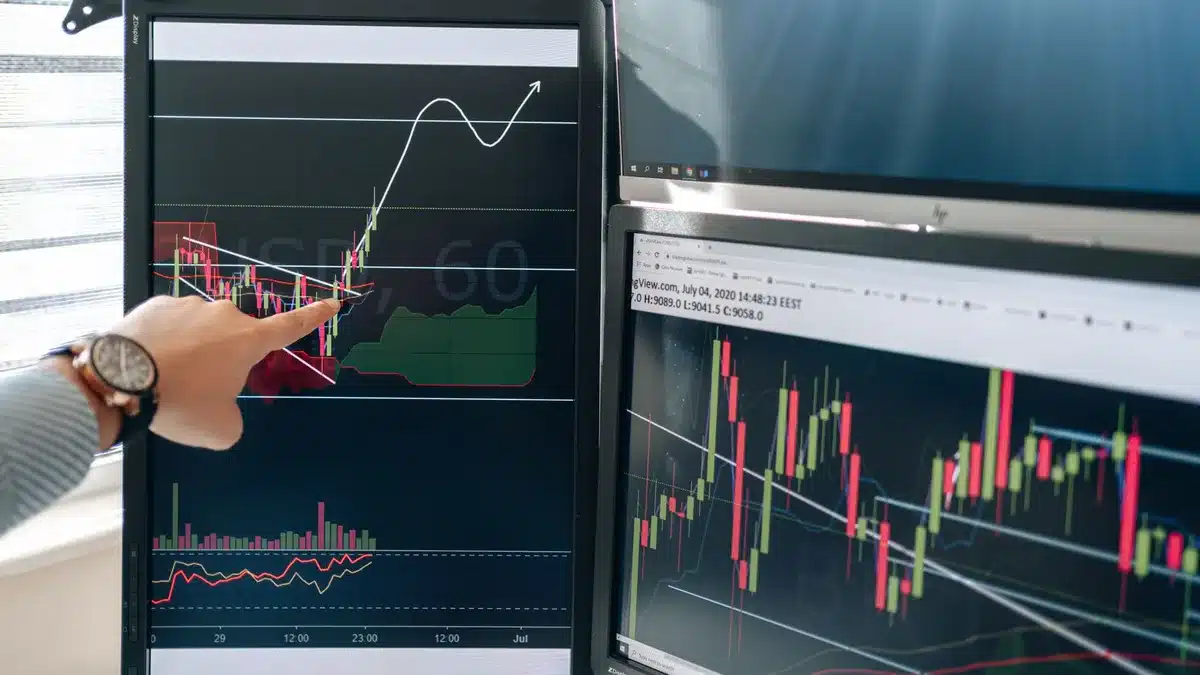
The Treasury stressed that the expanded operations were intended to support market liquidity and were not designed to “mitigate episodes of acute market stress.” However, analysts and former Federal Reserve officials have raised questions about whether buybacks address the underlying fiscal pressures driving yields higher. Jill Cetina, a former vice president for bank supervision at the Dallas Federal Reserve and now a finance professor at Texas A&M University, told MarketWatch that “the market took this as a significant intervention” and cautioned that buybacks might defer necessary comprehensive fiscal-policy reforms.
Stocks and other risk assets also rallied on the announcement. The S&P 500 and Dow Jones Industrial Average posted modest gains, while the dollar index fell to its lowest level since late May, according to MarketWatch. Crypto markets also climbed, with crypto surging as Treasury doubled bond buybacks.
Sources
- BullionVault — gold price movement ($100 jump in 45 minutes to above $4,460), Treasury yield decline, and details on the buyback announcement
- Anadolu Agency — gold price rise to $4,460, Treasury yield movements, and dollar weakness supporting precious metals
- MarketWatch — stock market reaction, Treasury buyback program history ($32B in 2024, $78B in 2025, $50B in 2026), expert commentary from Guy LeBas and Jill Cetina, and broader market reaction including dollar index decline
- U.S. Treasury Department — official announcement of doubled buyback sizes from $2B to at least $4B, effective September 9, targeting 10-year to 30-year securities