Federal Reserve officials revealed a deeply divided debate over interest rate increases in minutes released Wednesday from the July 28-29 FOMC meeting, with many policymakers signaling that rate hikes would be necessary if inflation fails to cool. The committee voted 9-3 to hold the federal funds rate at 3.50% to 3.75%, marking the fifth consecutive meeting without a change, but the minutes showed hawkish sentiment extended far beyond the three dissenters.
Three regional Federal Reserve presidents—Beth M. Hammack of Cleveland, Neel Kashkari of Minneapolis, and Lorie K. Logan of Dallas—formally dissented in favor of a quarter-point increase. The minutes quoted FOMC participants as saying that “policy tightening would likely be necessary if inflation did not decline,” and separately noted that some officials believed current financial conditions might not be restrictive enough to bring inflation back to the Federal Reserve’s 2 percent target.

Even some officials who voted to hold rates reasoned that a July increase “would likely help forestall the need for a steeper and potentially more costly sequence of tightening moves at a later stage.” Two additional Fed presidents—Jeffrey R. Schmid of Kansas City and Alberto G. Musalem of St. Louis—indicated after the meeting that they would have backed a rate hike had they held a vote in July.
The inflation backdrop driving the debate centers on elevated price pressures. Total PCE inflation stood at 4.1% in May, with core PCE at 3.4%, well above the Fed’s 2 percent target. Officials described inflation as elevated and their outlook as “highly uncertain,” with risks skewed to the upside. Participants cited tariff pass-through, energy costs tied to the Middle East conflict, and demand generated by artificial intelligence buildout as factors sustaining price pressures.
The labor market, by contrast, drew little concern from the committee. Participants described conditions as stable, with the unemployment rate at 4.2% in June and payroll growth running above the prior year’s pace. This stability in employment has allowed officials to focus primarily on the inflation challenge rather than economic weakness.

The minutes also revealed that Fed Chairman Kevin Warsh initiated a discussion about reducing the number of annual FOMC meetings from eight to six, with meetings spaced roughly every two months. Warsh argued the change “would allow more information to accumulate between meetings than under current practice and provide policymakers and the staff more time to consider strategic monetary policy issues.” The committee offered input but reached no conclusion, and Warsh indicated 2026’s remaining meetings would proceed on the existing schedule.
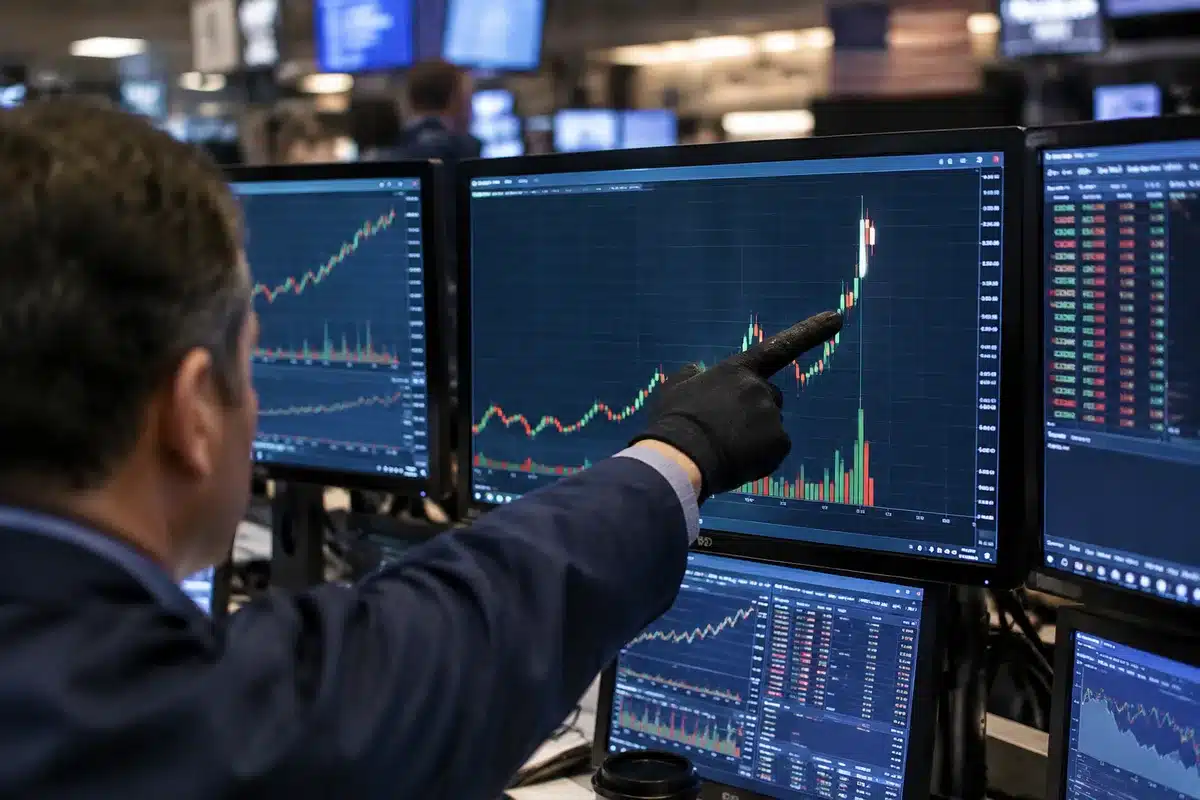
Market reaction to the dissents was swift. Traders closely parsed the minutes for clues on the Fed’s rate trajectory, with some analysts describing the July decision as a “hawkish hold.” The dissents and the broader tone of the minutes sent signals that the Fed remained concerned about inflation risks despite holding rates steady. Mortgage rates and other borrowing costs have climbed amid persistent inflation concerns, reflecting markets’ expectations that the Fed may need to tighten policy if price pressures do not ease.
Since the July decision, incoming economic data has complicated the inflation picture. Nonfarm payrolls fell in July and core inflation came in subdued, pulling back market pricing for a September rate increase. Still, the minutes made clear that a significant portion of the FOMC views the risk of persistent inflation as the primary policy challenge heading into the final months of 2026.
Sources
- Quartz — Full text of FOMC minutes, dissent details, inflation figures, and officials’ statements on rate tightening necessity
- Federal Reserve — Official FOMC meeting calendar and minutes release confirmation (August 19, 2026 at 2:00 p.m. ET)
- Reuters — Market reaction analysis and economist commentary on the hawkish hold
- Seeking Alpha — Details on the three dissenting Fed presidents and rate hike scenario discussion