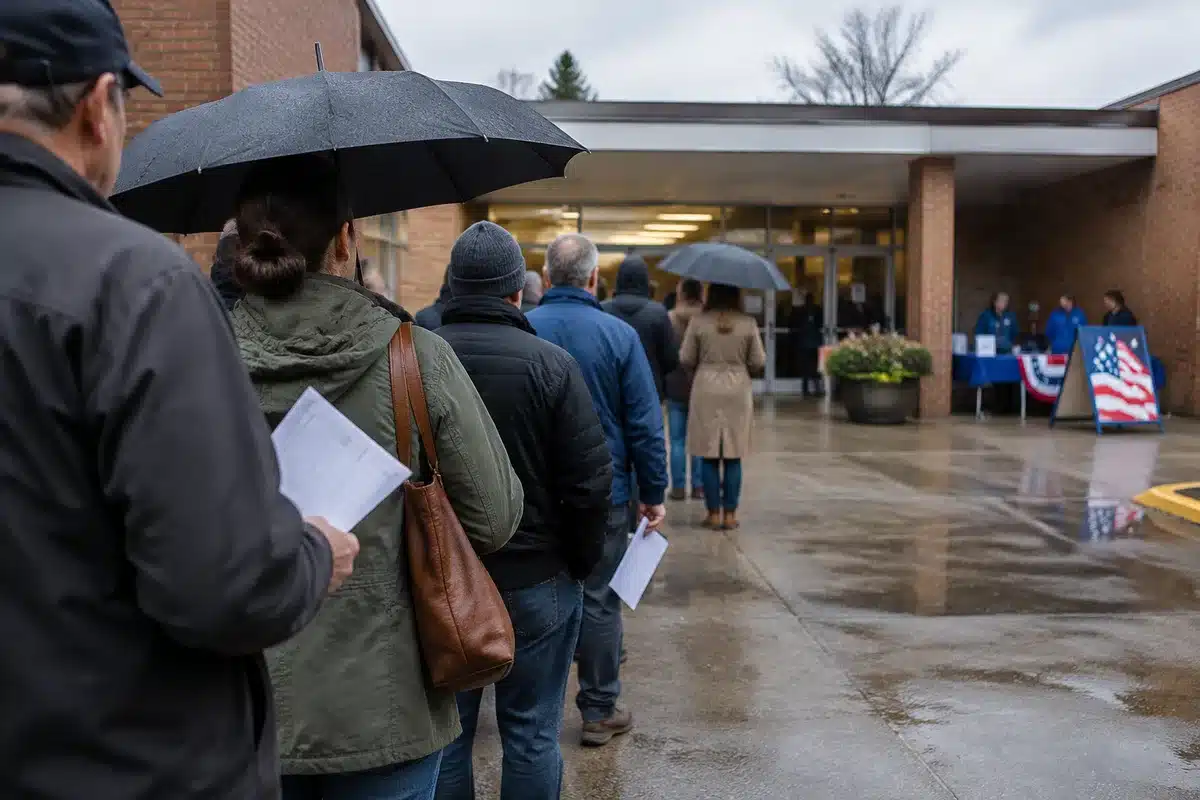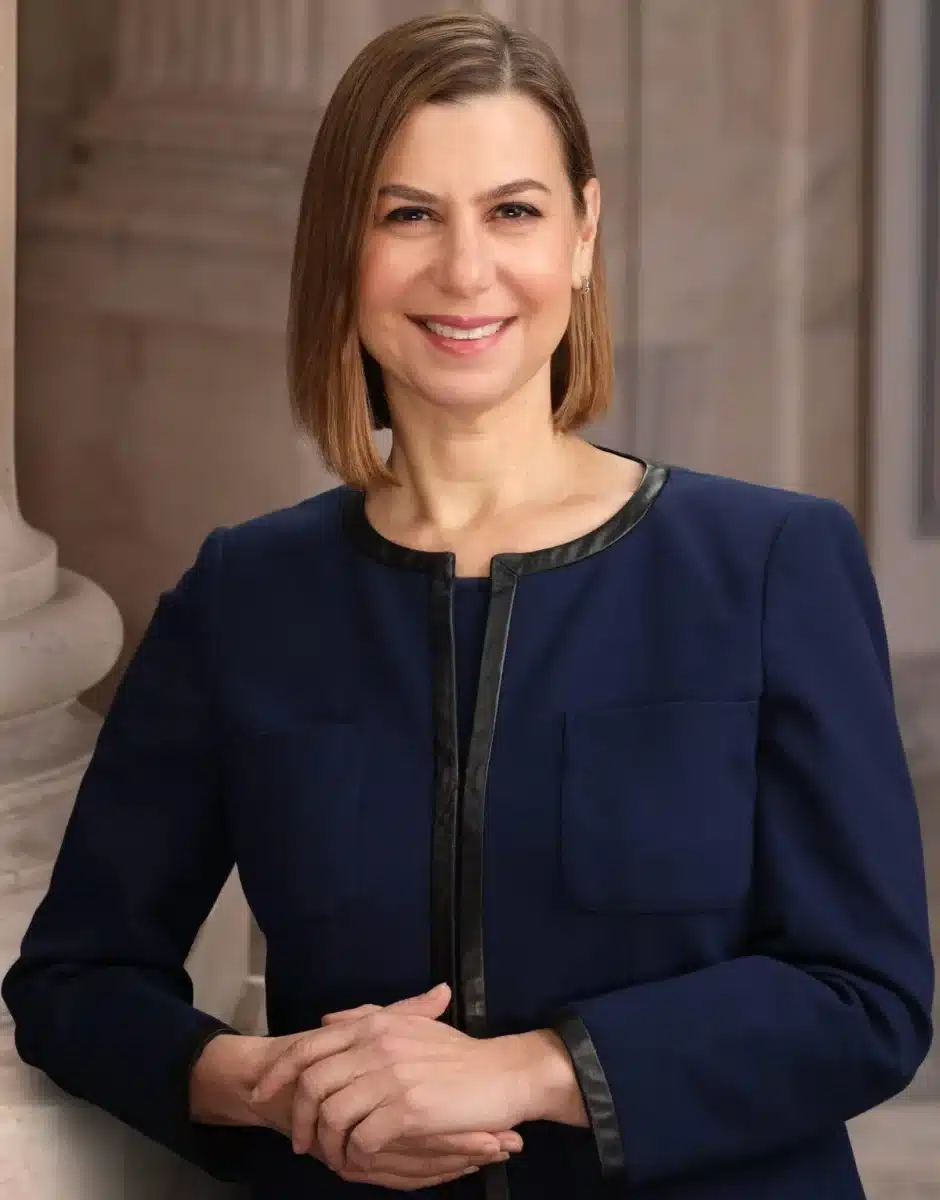
Michigan Sen. Elissa Slotkin asked Defense Secretary Pete Hegseth on Tuesday to confirm that the Department of Defense will not send federal troops to polling places during November’s midterm elections, as Democrats have raised concerns that the Trump administration could use the military to interfere with the vote.
“I’d ask you to confirm a simple statement: the Department of Defense will not send Federal troops to the polls or to seize election materials of any kind,” Slotkin wrote in letters to Hegseth and Gen. Dan Caine, chairman of the Joint Chiefs of Staff, on August 18.
The Pentagon said it will respond directly to Slotkin through normal congressional correspondence channels. The Joint Chiefs did not immediately respond to a request for comment.
Slotkin’s concern stems from Trump’s documented interest in using the military during elections. In January 2026, Trump stated he “should have” ordered the National Guard to seize ballot boxes during the 2020 election, according to reporting by The New York Times and other outlets. Slotkin noted that Trump contemplated using the military to seize voting machines after his 2020 loss and has deployed the National Guard to cities against the wishes of Democratic leaders.
Trump has also deployed active duty Marines to Los Angeles during his 2025 immigration crackdown. Slotkin told the Associated Press that Trump is “very clearly laying the breadcrumbs to be able to say the day after the election that he didn’t really lose the House or he didn’t really lose the Senate.”
This is not Slotkin’s first confrontation with Hegseth on the issue. During an April congressional hearing, Slotkin asked Hegseth if he would follow orders to seize ballots. Hegseth called the question a “gotcha hypothetical,” but responded, “I’ve never been ordered to do anything illegal, and I won’t.”
Federal law already restricts military involvement in elections. According to the PBS report, federal law prohibits the deployment of armed federal forces to election locations unless “necessary to repel armed enemies of the United States.” If any element of the military were to get involved, it would likely be the National Guard under state control.
In June, Slotkin introduced the Protect Our Polls Act, which would further restrict military and federal agent deployment at polling locations by requiring Congress to pass a Joint Resolution of Approval before Trump could send troops to those locations. The bill reflects growing Democratic concerns about the potential for military interference in the 2026 midterms.
White House chief of staff Susie Wiles denied in a Vanity Fair interview that Trump would use the military to suppress voting in the midterms. “I say it is categorically false, will not happen. It’s just wrongheaded,” she said.
Slotkin’s push for explicit reassurance echoes a similar effort in 2020. That year, Gen. Mark Milley, then-chairman of the Joint Chiefs of Staff, responded to a letter from Slotkin, then a congresswoman, writing: “I believe deeply in the principle of an apolitical U.S. military. In the event of a dispute over some aspect of the elections, by law U.S. courts and the U.S. Congress are required to resolve any disputes, not the U.S. military.”
The Michigan Senate race is one of several competitive midterm contests where election integrity concerns have taken on heightened importance. Meanwhile, Hegseth has faced criticism for locking Democrats out of budget briefings, adding to tensions between the Defense Secretary and Senate Democrats over his leadership style and priorities.
Sources
- PBS NewsHour — Slotkin’s letter to Hegseth and Caine, Trump’s past statements on military seizure of voting machines, federal law on military deployment, and Milley’s 2020 response
- CBS Detroit — Slotkin’s statement to AP on Trump laying groundwork to claim midterms were stolen, details of Protect Our Polls Act, Hegseth’s April hearing response, Susie Wiles denial, and federal law restrictions
- The New York Times — Trump’s January 2026 statement that he “should have” seized ballots in 2020
- Democracy Docket — Trump’s January 2026 regret statement on not seizing voting machines