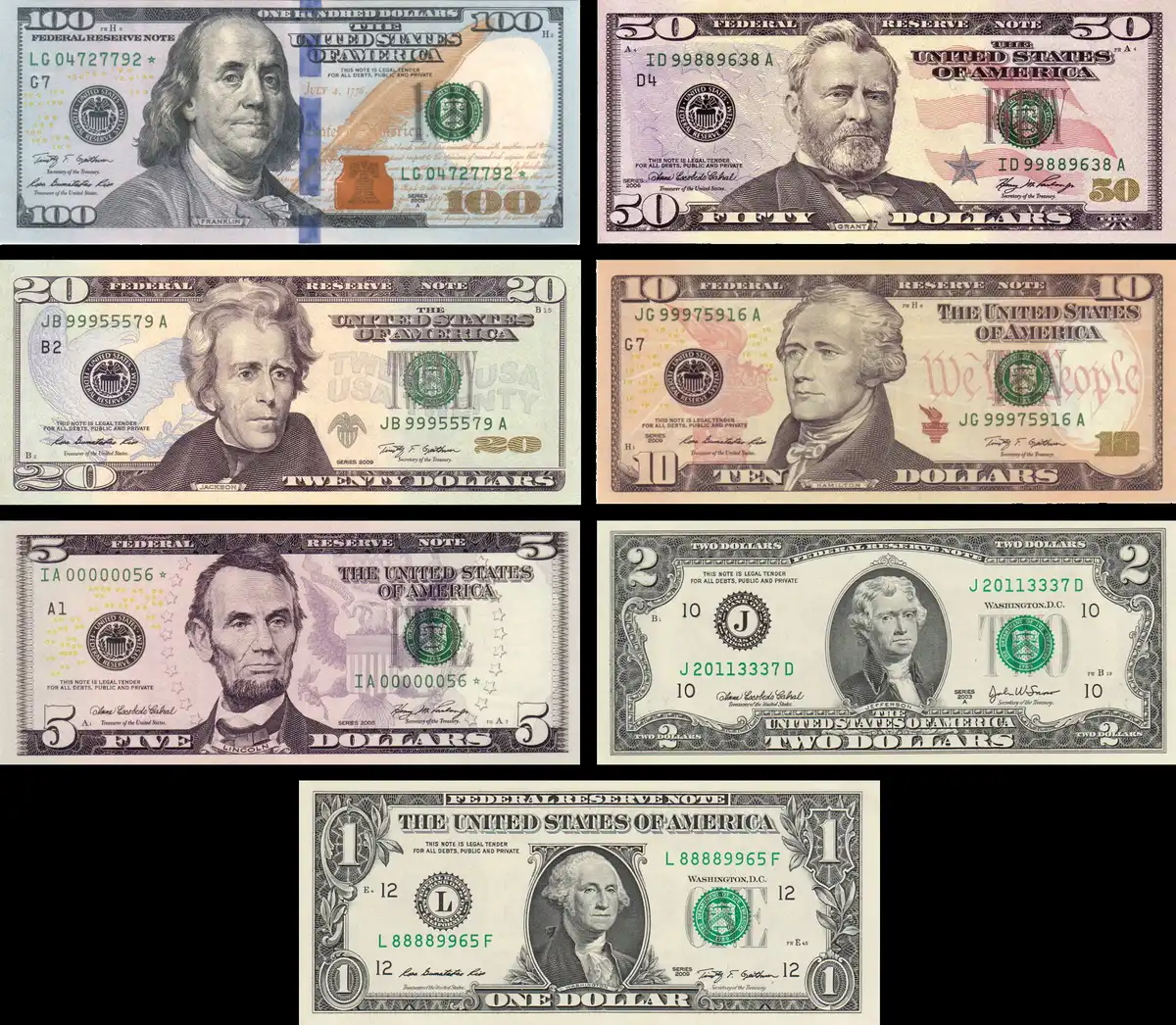
The U.S. dollar hit a two-month low this week as traders sharply scaled back expectations for Federal Reserve rate increases following weak economic data, marking a significant shift in market sentiment about the central bank’s policy path.
The dollar index, which tracks the currency against six major peers, fell to around 99.4 on August 17, 2026, its lowest level since early June, according to Trading Economics. The index traded near 99.6 on August 18 as the weakness persisted through the week.
The driver was unmistakable: U.S. retail sales declined 0.6% in July, the largest monthly drop in more than a year, the Census Bureau reported on August 14. The fall surprised economists and signaled softening consumer demand. Online sales posted a particularly steep 2.2% decline, while motor vehicle and parts dealers saw a 1.8% drop.

The retail disappointment came alongside already-soft inflation readings. Core consumer prices rose just 0.1% in July, and overall inflation slowed to 3.4%, both suggesting economic momentum was cooling faster than previously expected.
Markets reacted swiftly. Odds of a Federal Reserve rate hike in September plummeted to roughly 30-35%, down from nearly 50% just a week earlier, according to CME FedWatch data cited in multiple sources. Goldman Sachs, in a note dated August 16, predicted the Fed would hold the federal funds rate steady at 3.50%-3.75% through the remainder of 2026, with any cuts more likely than hikes.
The shift represented a sharp reversal. Earlier this year, traders had expected the Fed to tighten policy as inflation remained elevated. But as economic data weakened—retail spending contracting, consumer sentiment declining, and price pressures easing—the narrative flipped. Investors are now awaiting Fed Chair Kevin Warsh’s remarks at the Jackson Hole Economic Symposium and the minutes from the Fed’s July meeting for further guidance on the policy outlook.

A weaker dollar typically reflects lower interest rate expectations, since higher yields attract foreign capital seeking returns. When rate hike odds collapse, the incentive to hold dollars diminishes, and the currency tends to fall. This week’s move followed that textbook pattern: as bets on Fed tightening evaporated, the dollar weakened against major peers including the euro, pound, and Australian dollar.
The dollar’s decline reflects a broader 2026 trend. The currency has struggled throughout the year as expectations for Fed cuts gained traction, with major banks including Morgan Stanley and Goldman Sachs forecasting further weakness before any rebound. The currency fell roughly 10% in 2025, and this year’s moves suggest that decline may persist if the Fed remains on hold or moves toward rate cuts.
Sources
- Trading Economics — dollar index level at 99.4 on August 17 and 99.6 on August 18, 2026; dollar hovering near two-month lows; Fed rate hike expectations and policy outlook
- Reuters — U.S. retail sales fell 0.6% in July 2026, largest drop in more than a year; details on declines in online sales and motor vehicle dealers
- PBS NewsHour — retail sales decline and core retail sales figures for July 2026
- New York Times — retail sales dropped 0.6% in July, biggest decrease since May 2025
- CME FedWatch — Fed rate hike probability estimates; odds of September hike dropping to 30-35%
- Goldman Sachs — prediction of Fed holding rates steady at 3.50%-3.75% through remainder of 2026
- BBH (Brown Brothers Harriman) — Fed rate hike odds falling to 30% in September, down from 50% a week prior
- Vantage Markets — dollar index at 99.40 on August 17, testing support levels
- RTTNews — slowing Fed hike bets dragging down the dollar index