Update (Aug 18): Nearly $3.4 billion (286.4 billion rubles) was withdrawn in the first two weeks of August alone, bringing July's total to $7.3 billion, as intensifying Ukrainian drone attacks and fears of Kremlin deposit seizures to finance the war accelerate the outflows.
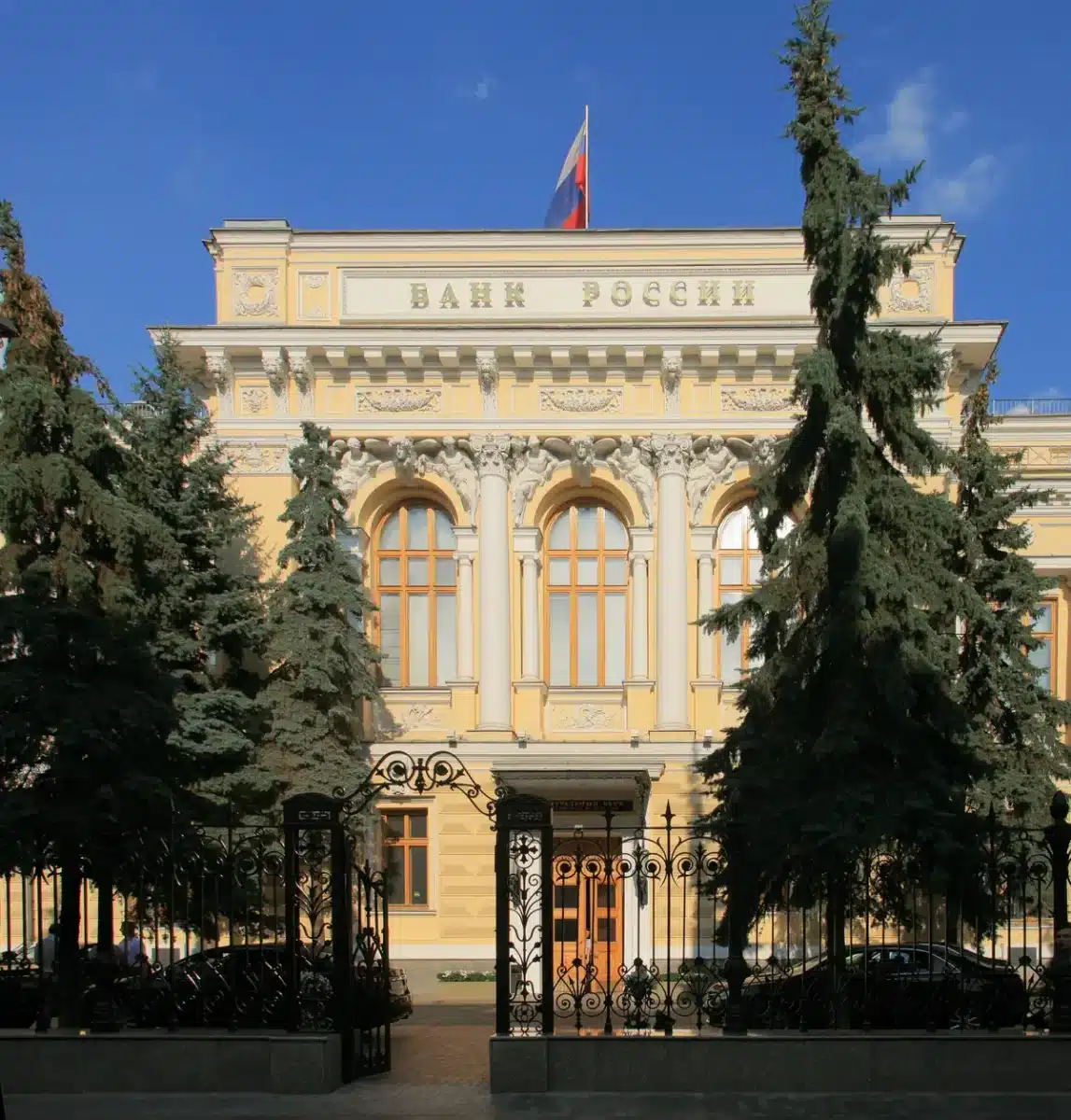
Russian banks have seen cash withdrawals continue for a seventh consecutive month, as citizens pull billions from the financial system amid economic uncertainty and fears the Kremlin could seize deposits to finance its war in Ukraine. During the first two weeks of August alone, 286.4 billion rubles left the banking system, according to data from the Central Bank of Russia.
Since the beginning of 2026, Russians have withdrawn over 2.5 trillion rubles—approximately $32 billion—from banks, marking the largest cash outflow in decades. The sustained exodus reflects a combination of immediate pressures and longer-term anxieties about the stability of Russia’s financial system and the safety of personal savings.

Multiple factors are driving the withdrawals. Mobile internet shutdowns across Russia, imposed by authorities to counter Ukrainian drone attacks, have disrupted card payments and pushed citizens toward cash. When networks go down, many Russians cannot access digital payment systems, forcing them to keep physical money on hand for emergencies.
Fears of government confiscation also weigh heavily. Sberbank’s chief financial officer, Taras Skvortsov, warned in July that Russians harbor serious concerns about deposit seizure after statements by Communist Party leader Gennady Zyuganov proposing to confiscate “tens of trillions” of rubles to fund the war effort. Though the proposal has not been enacted, the public anxiety it triggered appears to have accelerated withdrawals.
Tax pressure is fueling a parallel shift toward cash payments and the shadow economy. The Kremlin raised value-added tax from 20 percent to 22 percent in January 2026 and lowered the threshold at which small and medium-sized businesses must pay it, pushing already strained firms to the brink. Economist Viktor Tunev cited tax hikes and increased tax pressure as key drivers of the expansion of the shadow economy. Businesses and workers are increasingly turning to cash transactions to avoid taxes, with about 6 percent of entrepreneurs saying they had resorted to informal schemes to cope with the new tax burden, according to a May survey by Russia’s largest small-business association.
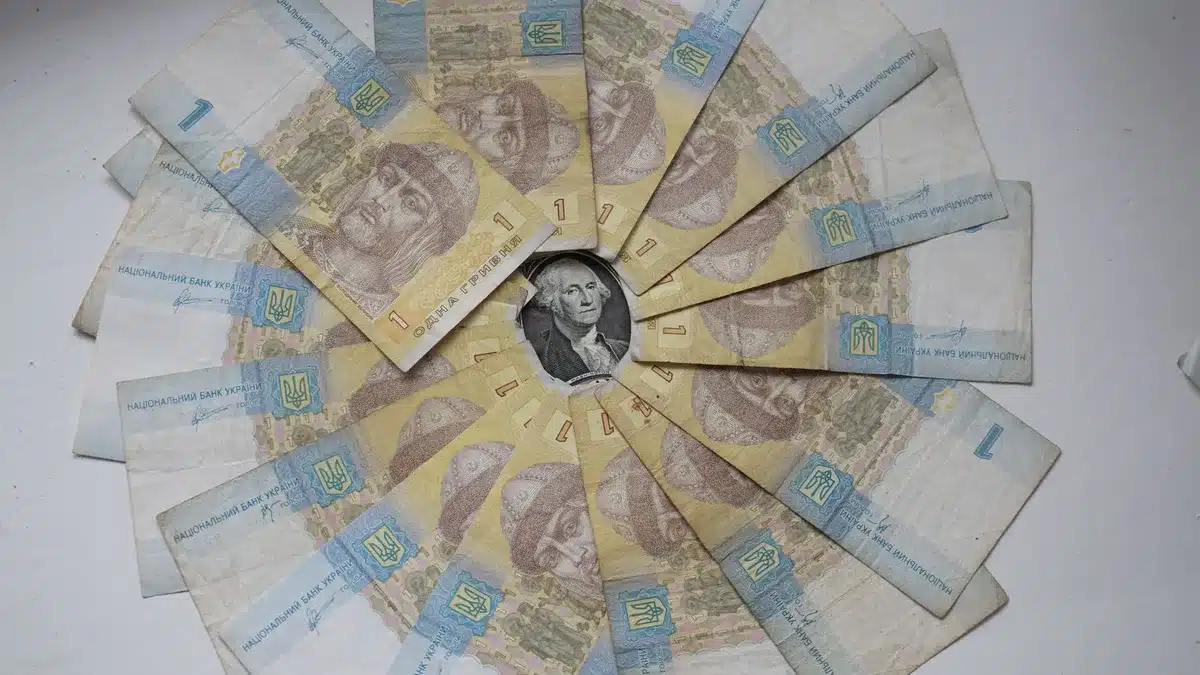
The shift to cash is occurring despite high interest rates. A one-year fixed-term deposit at Sberbank currently pays 10 percent interest, yet Russians withdrew 550 billion rubles from bank accounts in May alone, including 200 billion rubles from fixed-term deposits. The preference for physical cash over bank savings reflects deeper concerns about financial stability and government actions that transcend traditional economic incentives.
The cash exodus creates a cascading problem for Russia’s war-strained economy. As money moves out of the banking system, banks have less capital to lend to businesses and less cash to purchase government debt. Russia’s federal budget recorded a deficit of 5.7 trillion rubles in the first half of 2026, and the Kremlin is increasingly reliant on bank purchases of government bonds to finance defense spending. With withdrawals continuing and deposits shrinking, the state faces mounting pressure to fund both the war and essential services.
The central bank has responded by limiting ATM withdrawals and tightening restrictions on foreign currency cash withdrawals, measures that have only reinforced public anxiety about the safety of deposits. The combination of economic stress, war costs, and government policies designed to extract revenue has created a self-reinforcing cycle: as Russians lose confidence in the banking system, they withdraw more cash, weakening banks’ ability to support the state and the broader economy.
Sources
- UA.NEWS — reported the seventh consecutive month of cash outflows, the 286.4 billion rubles withdrawn in the first two weeks of August, the 2.4 trillion rubles in total cash circulation growth since the start of 2026, and cited economist Viktor Tunev on shadow economy expansion and Sberbank CFO Taras Skvortsov on deposit seizure fears
- BBC Monitoring — documented Russia’s 1.56 trillion rubles added to cash circulation since the start of 2026, the reasons for cash withdrawals including mobile internet shutdowns and tax avoidance, and Sberbank CFO warnings about grey-market wage payments
- United Nations News — confirmed over 2.5 trillion rubles withdrawn from banks in six months amid distrust of the system
- Washington Post — reported on record cash outflows and fears of Kremlin seizure of deposits to finance the war
- The Moscow Times — reported on the federal budget deficit of 5.7 trillion rubles in the first half of 2026