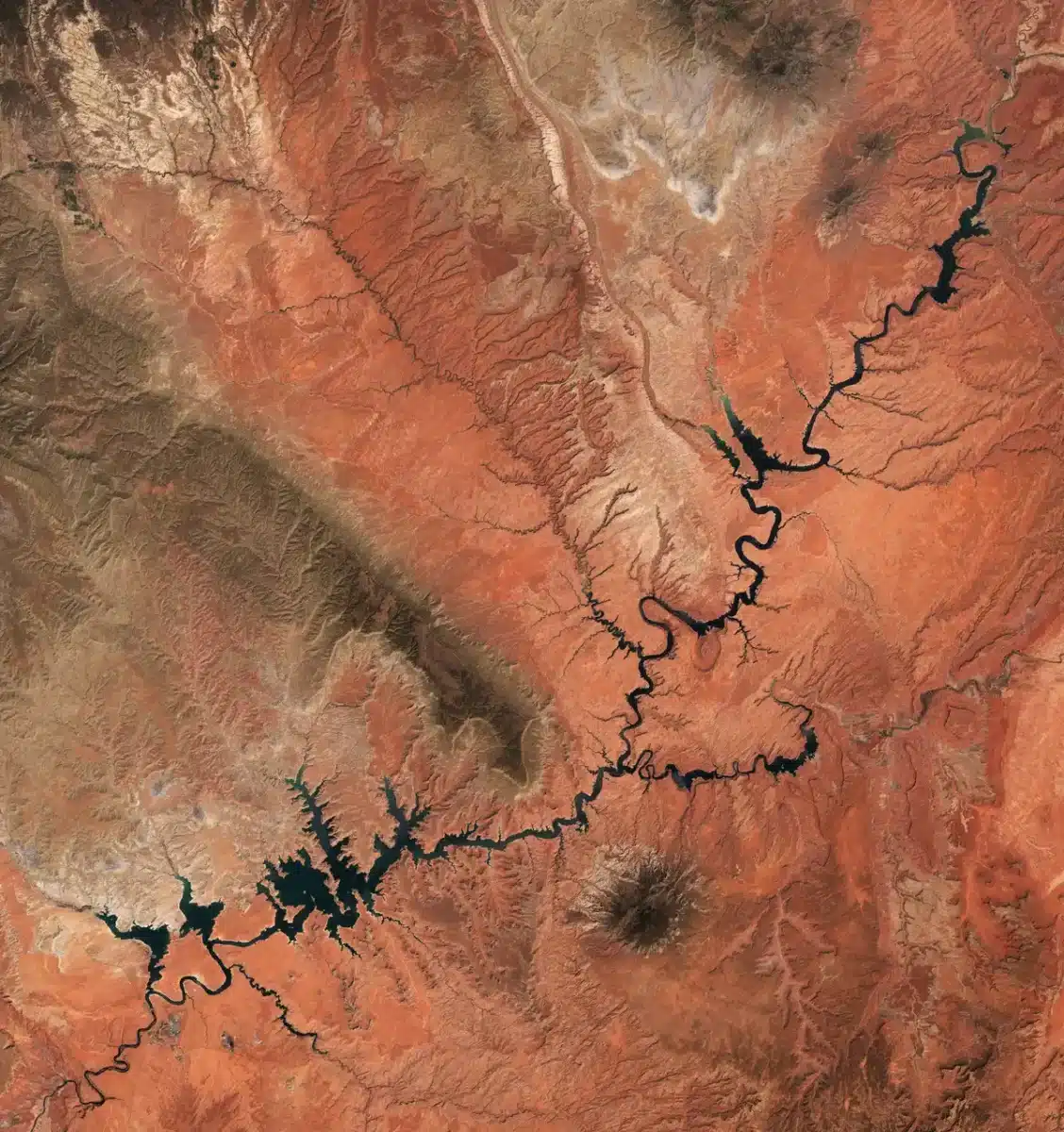
Lake Powell, the nation’s second-largest reservoir, hit a record low water level in July 2026, marking a critical turning point in the Colorado River crisis as the combined storage of Lake Powell and Lake Mead fell below levels not seen since 1957, before Lake Powell even existed. On July 12, Lake Powell measured 3,524 feet above sea level, breaking the previous record set in March 2023, according to an analysis by five Colorado River experts.
Lake Powell currently sits at 23% capacity, the lowest level on record for July, and experts project it will continue dropping for the next eight months. The reservoir’s inflow during 2026 was forecast at just 2.78 million acre-feet—29% of the historical average—reflecting one of the driest water years on record for the basin.
The 185-mile reservoir, which straddles the Utah-Arizona border, fell below this level briefly in 2023, but those lows occurred in winter, when the lake naturally hits its seasonal ebb. Spring runoff then carried levels back up to 9.6 million acre-feet by June 2023. This year there was no recovery. “What’s unique this year is that there was no recovery at all,” said Jack Schmidt, director of Utah State University’s Center for Colorado River Studies, adding that Lake Powell would likely reach unprecedented low conditions in the fall.
The Colorado River supplies water to 40 million people across seven states and irrigates more than 5 million acres of farmland. The river generates enough electricity to power around 700,000 homes. Today, 95% of the Colorado River Basin is in drought, driven by a warming climate that has delivered hotter, drier weather and dwindling snowpack over the past 25 years.
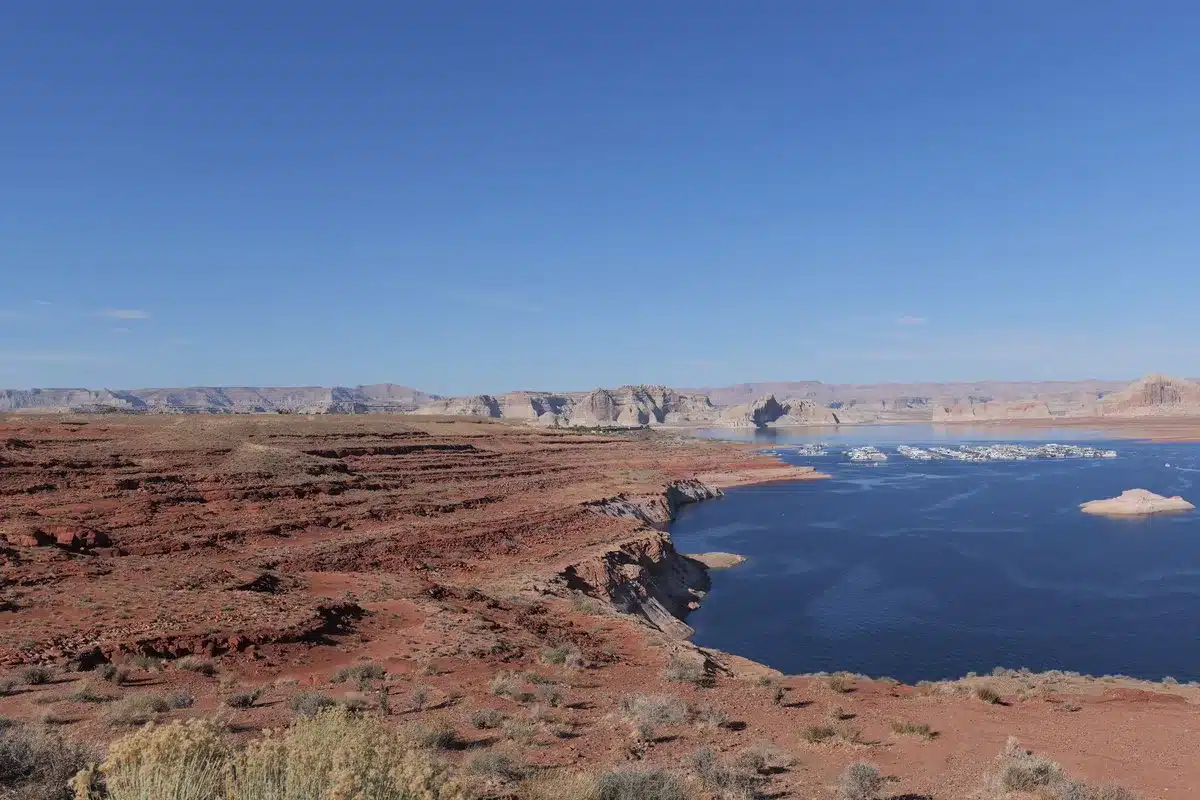
Last winter was particularly devastating. The western US experienced one of its driest, warmest winters on record, leaving the region in a snow drought. Snowpack acts as a natural water tower—without it, reservoirs cannot replenish. Precipitation in the Upper Basin reached only 78% of normal by mid-July 2026, and snow accumulation peaked at just 60% of the 30-year median.
Threat to Hydropower and System Stability
Lake Powell stands just 37 feet above the minimum power pool level—3,490 feet—below which the Glen Canyon Dam’s turbines can no longer generate electricity. According to the Bureau of Reclamation’s July 2026 report, Lake Powell could fall to that threshold by spring 2027, halting hydropower production for the first time in the dam’s history.
The loss of hydropower would ripple across the region. Nearly 6 million households and businesses depend on electricity from Glen Canyon. But the threat extends beyond power generation. “The low reservoir levels are a dramatic signal that the system is at risk of crashing, meaning reservoir levels so low that water cannot be delivered from them,” said Sarah Porter, director of the Kyl Center for Water Policy at Arizona State University.
The combined Lake Powell and Lake Mead storage is now the lowest in nearly 70 years. Researchers predict the two reservoirs will set a new combined record low for every day from now until spring 2027, when winter snowmelt might begin to replenish levels. However, experts caution that even a record snowpack this winter would not be enough to pull the system out of the danger zone.
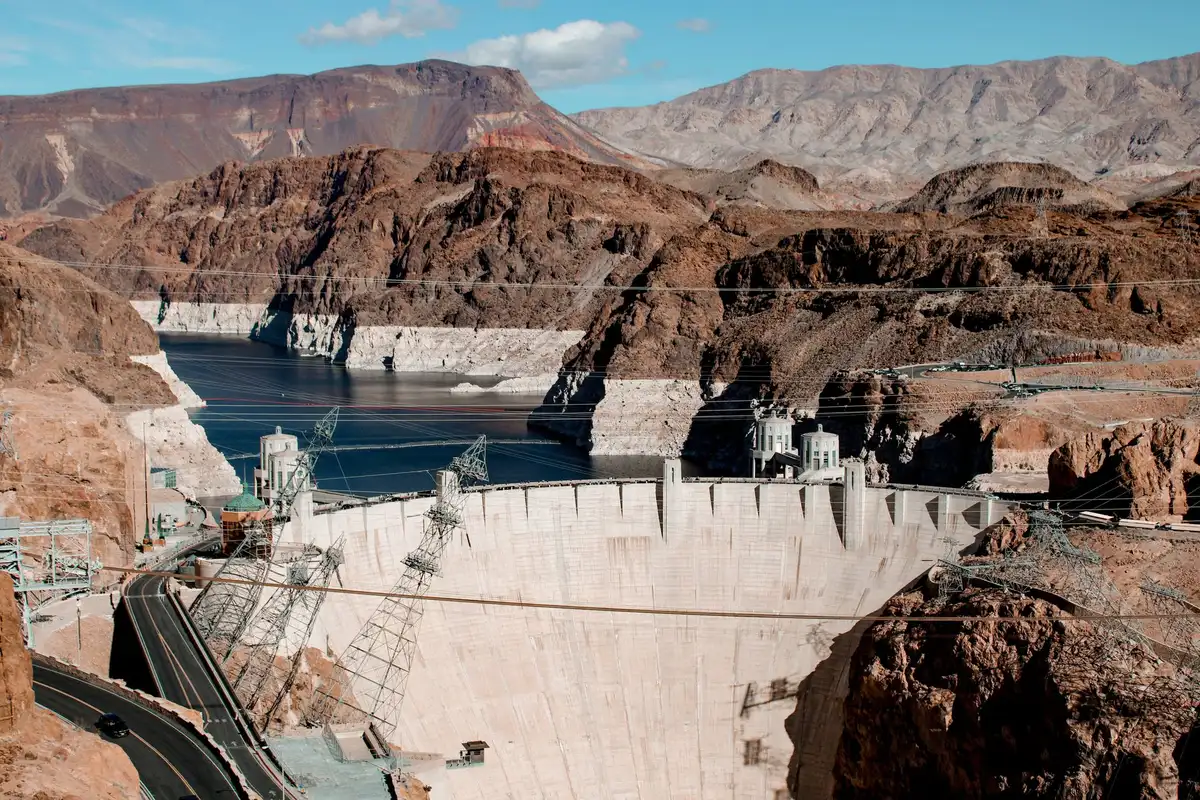
The crisis has intensified pressure on negotiations between the seven states—California, Nevada, Arizona, New Mexico, Colorado, Utah, and Wyoming—over how to share the Colorado River’s shrinking water supply. A federally-imposed February 2026 deadline for states to reach an agreement passed without a deal. Interior Secretary Doug Burgum held a virtual meeting with basin governors in July to address the crisis, and the Bureau of Reclamation has promised new operating guidelines in the coming weeks.
Schmidt emphasized that long-term solutions require immediate action. “I worry that there remains too much hope that we will be saved by the coming winter snowpack,” he said. “Hope and prayer is no way to run a national water system.” He called for large investments in agricultural water efficiency and strategic crop selection to reduce demand on the river.
Sources
- CNN — Lake Powell and Lake Mead combined record low on July 12, 2026; current capacity levels; hydropower minimum pool threshold; expert commentary from Jack Schmidt and Sarah Porter
- The Guardian — Lake Powell current water level; spring 2023 recovery context; expert analysis on climate change impacts and system vulnerability
- KJZZ (Phoenix Public Radio) — Lake Powell lowest point of 2026; nation’s second-largest reservoir status
- Bureau of Reclamation — 2026 water year inflow forecast; minimum power pool projections; operating guidelines announcement
- WBAL-TV — Combined storage record since 1957; July 12 elevation confirmation; precipitation and snowpack data