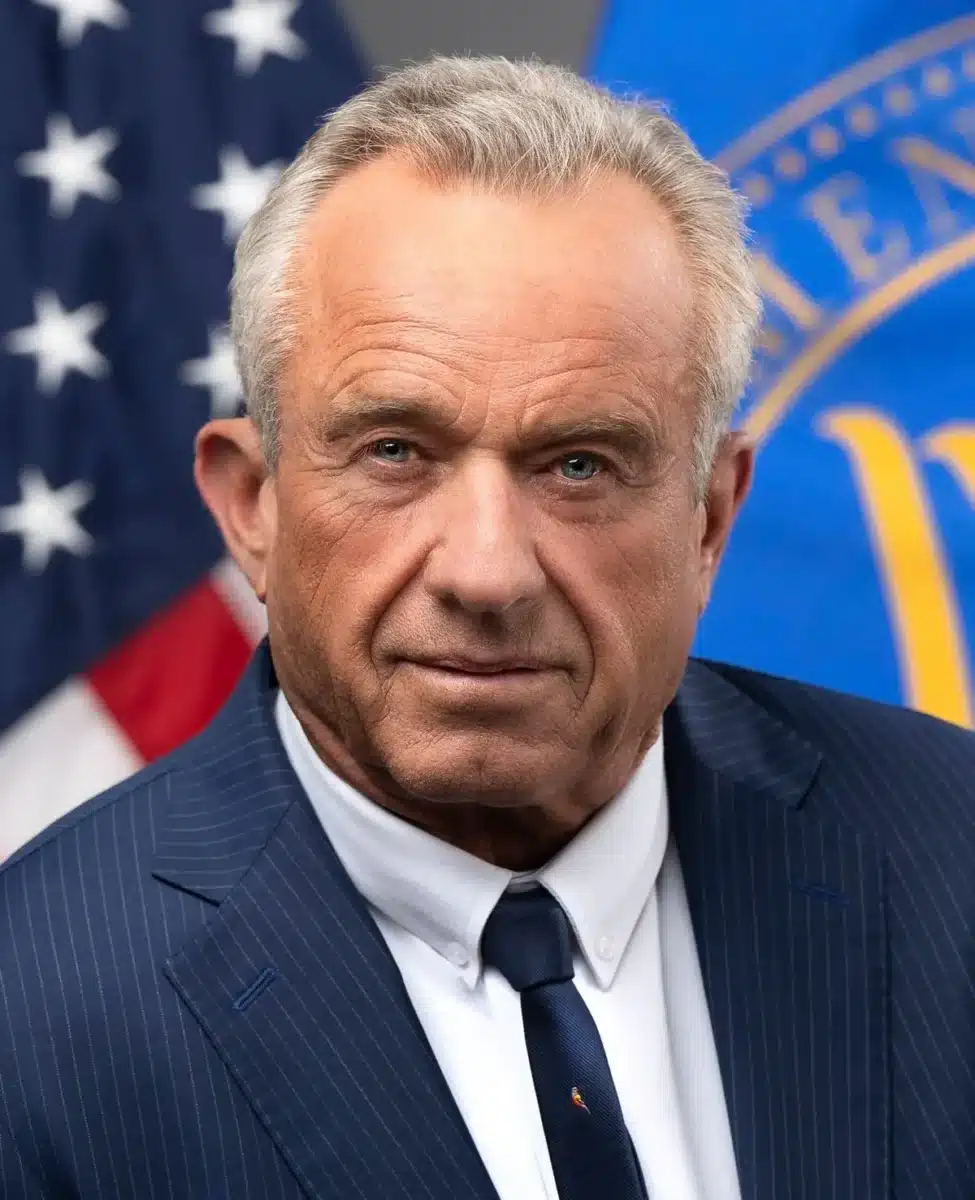
Health and Human Services Secretary Robert F. Kennedy Jr. announced a $102 million investment in community health centers on Thursday, August 13, aimed at expanding access to primary care in rural and underserved areas across the United States.
Kennedy made the announcement at Castle Family Health Centers in Atwater, California, where he unveiled the New Access Point program. The initiative will support 158 health center organizations nationwide, funding the creation of 415 new care clinic sites and extending primary-care access to approximately 1 million people, according to the announcement.
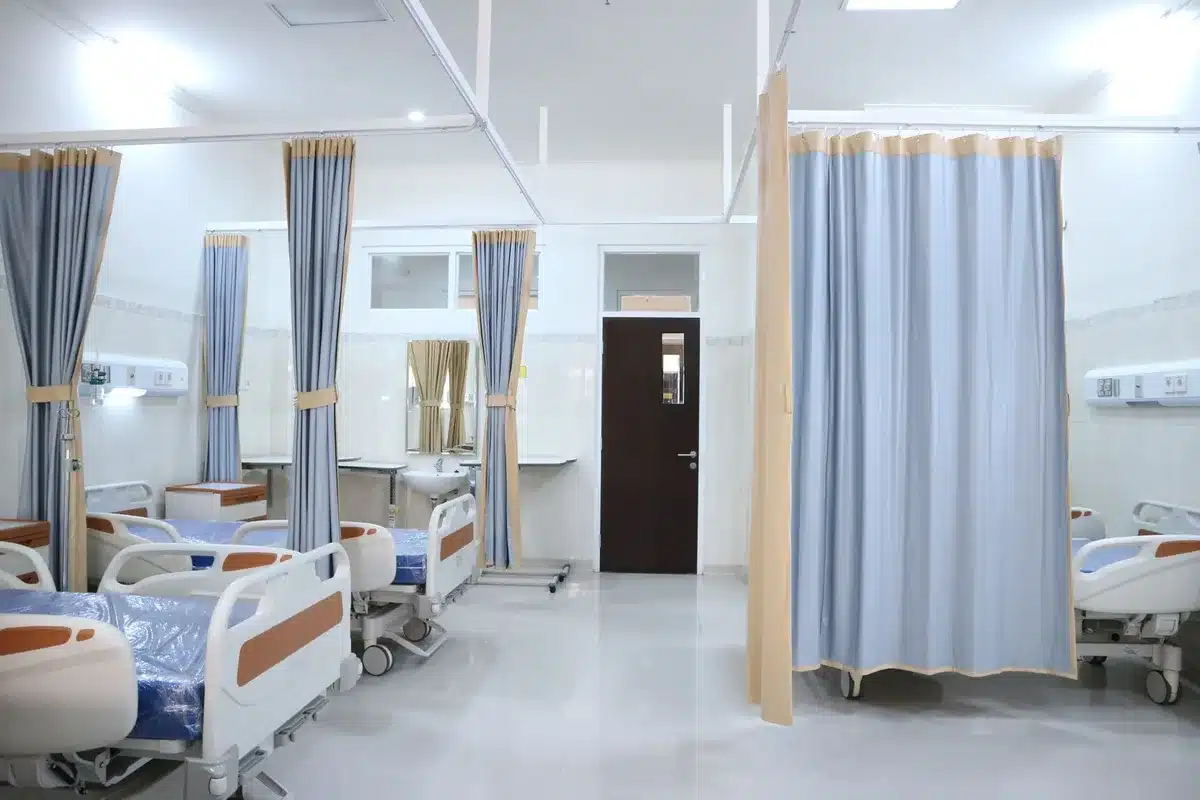
Castle Family Health Centers, which opened in 2006, was among the recipients. The Atwater clinic received a $650,000 grant and achieved a significant upgrade: it transitioned from a “look-alike” program to full Federally Qualified Health Center (FQHC) status. This upgrade grants access to federal grants, malpractice insurance benefits, and other resources previously unavailable to the center. Castle was selected from approximately 600 applicants—one of only 66 “look-alike” centers nationwide chosen for the conversion.
Kennedy emphasized the importance of community health centers during his remarks. “Community health centers are what the American health system should look like,” he told the audience of clinic administrators and staff. “They’re the template for what we should be doing everywhere.” He noted that primary care is essential to maintaining public health and praised the centers’ ability to provide comprehensive care—including eye care, dental care, and preventive services—to patients regardless of income level.
The $102 million funding represents a significant expansion. Kennedy stated it was “the first major expansion of the health center program since the first Trump administration in 2019.” The announcement included recognition that California received the largest share of funding among all states: 27 clinic organizations in California collectively received more than $17 million. In the San Joaquin Valley region, three organizations qualified: Castle Family in Atwater, United Health Centers of the San Joaquin Valley in Fresno, and San Joaquin County Health Services Employees Guild in Stockton.
Castle Family Health Centers currently serves between 33,000 and 34,000 patients across approximately 185,000 annual visits, with an annual operating budget between $31 million and $32 million. About 71 percent of its patients are covered by Medi-Cal, California’s Medicaid program for low-income residents. The center’s CEO, Peter Mojarras, indicated that the FQHC status upgrade and federal grant would expand the organization’s capacity to serve its community.
During the announcement, Kennedy addressed concerns about potential cuts to Medicaid under the One Big Beautiful Bill Act, which Congress passed in mid-2025. He disputed characterizations of the bill as reducing Medicaid, stating that the Congressional Budget Office found Medicaid would increase by 47 percent under the legislation. However, he acknowledged that removals from Medicaid rolls include individuals he argued were ineligible—including undocumented immigrants and those with significant assets—as well as cases of duplicate enrollment across states.
Kennedy also contextualized the $102 million investment relative to the overall federal budget. “In the universe, in the constellation of the federal budget, $100 million is not a lot of money,” he said. But, he added, “it is a lot of money for the Federally Qualified Health Centers. Why? Because they have been operating on shoestrings, and they have cracked the code, how to treat Americans, how to do primary care, how to do prevention on very little money.”
The New Access Point program is part of a broader federal effort to strengthen primary care infrastructure. Community health centers have historically relied on a mix of federal Section 330 grants, Medicaid reimbursements, and private insurance revenue. Federal funding for the health center program has grown significantly over decades; federal Section 330 grant funding made up 11 percent of total community health center revenue as of 2026, with other grants and contracts comprising 15 percent, according to the Kaiser Family Foundation.
Sources
- The Business Journal — primary account of Kennedy’s announcement in Atwater, details on Castle Family Health Centers’ funding and FQHC upgrade, New Access Point program scope, and Kennedy’s remarks
- Kaiser Family Foundation — community health center funding structure and federal grant composition
- Multiple news outlets (ABC News, Fox News, CBS News, Your Central Valley) — confirmation of the $102 million announcement, program scope, and rural health expansion goals