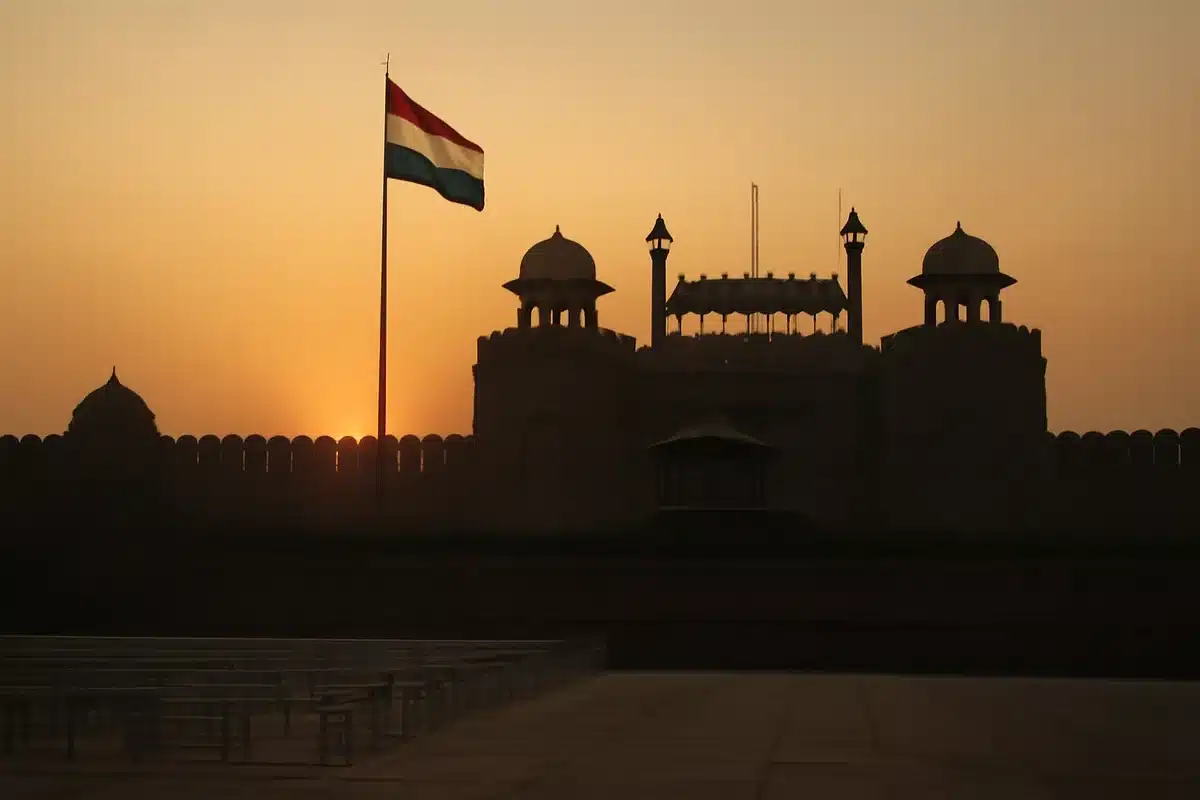
Prime Minister Narendra Modi unveiled a seven-point economic reform plan on India’s 80th Independence Day, addressing the nation from the Red Fort in New Delhi on August 15, 2026, with a focus on manufacturing, energy security, and technology innovation to position the country as a developed nation by 2047.
The reform framework, called “Saptadhara” or the seven economic streams, encompasses manufacturing with emphasis on quality, agriculture and food processing, technology and innovation including semiconductor expansion, logistics through the PM GatiShakti plan for multi-modal connectivity, enhanced domestic defense capabilities, a green and blue economy with increased energy storage, and India’s soft power projection through yoga, tourism, and animation.
Modi announced that more than one crore (10 million) youth will receive artificial intelligence skilling in a “mission mode” drive over the coming year, directly addressing post-globalization anxieties among the country’s younger generation. The government will also provide free online coaching to students preparing for competitive exams through India’s digital public infrastructure, and will conduct a nationwide sports talent hunt among children aged 5 to 15 in preparation for the 2036 Olympic Games.
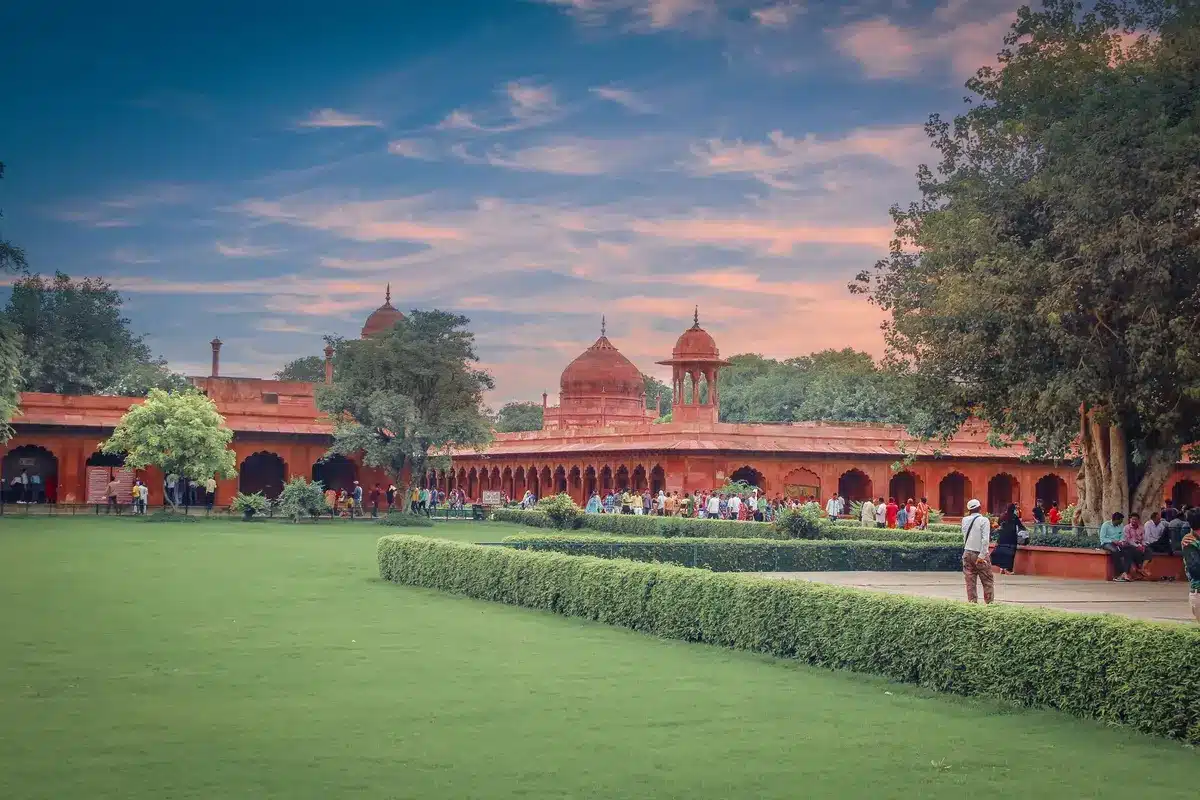
The energy security component of the reform plan targets 100 gigawatts of nuclear energy capacity by 2047, with five new nuclear reactors set to become operational within the next six to seven years. Modi noted that Parliament has already cleared the SHANTI Act to enable this nuclear expansion, positioning atomic power as a cornerstone of India’s long-term energy independence.
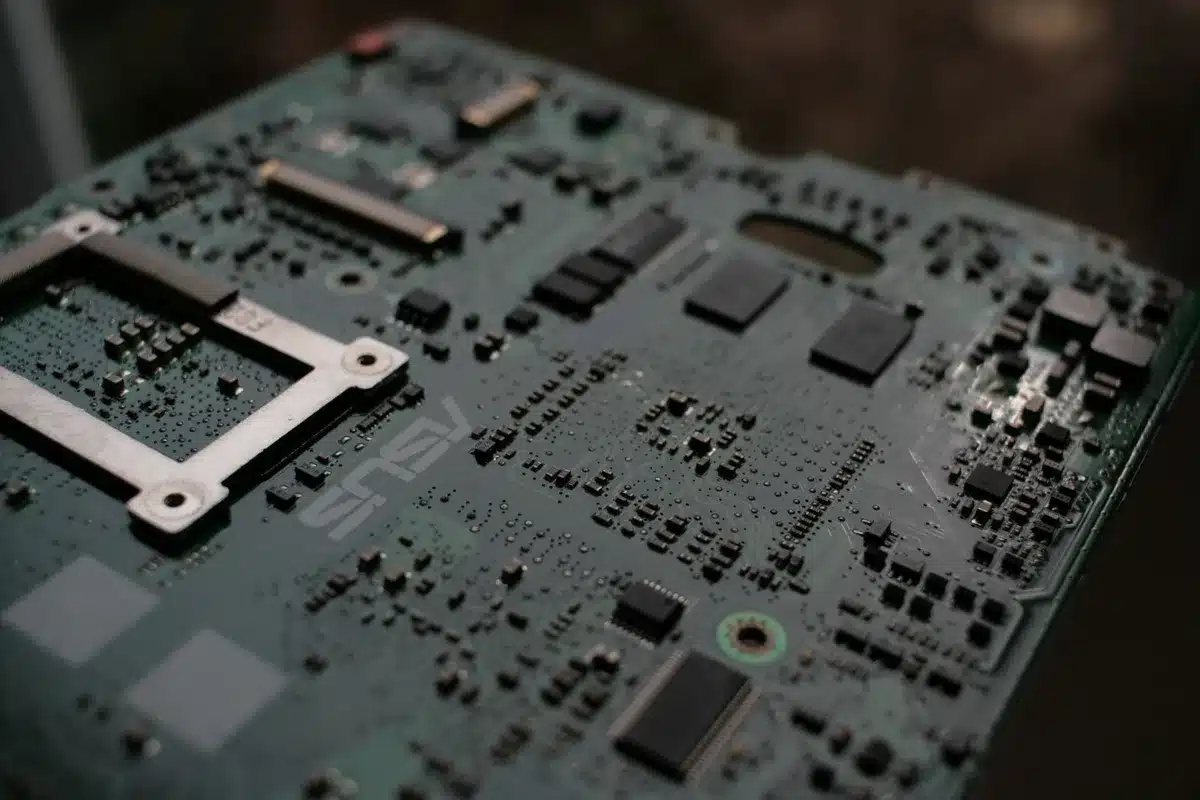
On the technology front, Modi announced plans to operationalize seven to eight additional semiconductor manufacturing plants within the next seven to eight years, building on India’s existing chip production facilities. This expansion reflects the government’s broader push for self-reliance in critical sectors and reducing dependence on foreign supply chains amid rising geopolitical tensions.
The announcement comes as India’s manufacturing sector has shown strong momentum. Manufacturing gross value added (GVA) grew 10.7 percent for the entire fiscal year 2025-26, and India’s overall GDP expanded 7.7 percent in FY26, driven by both manufacturing and services sectors. India has positioned itself as the world’s fastest-growing major economy, with policy reforms and manufacturing incentives supporting this trajectory.
Modi also announced a full review and restructuring of India’s civil defense infrastructure, warning that modern warfare no longer remains confined to borders. He noted that critical infrastructure such as refineries, banking sectors, and data centers have become potential targets, necessitating a multi-layered defense strategy. The government had previously announced Mission Sudarshan Chakra, a defense system incorporating artificial intelligence and cybersecurity components, which continues to progress rapidly.
The speech marked Modi’s 13th consecutive Independence Day address from the Red Fort and was notable for being the first in 80 years where “Vande Mataram,” the national song, preceded the national anthem. The address directly engaged with youth anxieties about employment, artificial intelligence’s impact on everyday life, and India’s economic positioning in a shifting global landscape shaped by geopolitical tensions and trade disruptions.
Sources
- The Hindu — Modi’s seven-point Saptadhara framework, AI skilling program for one crore youth, free online coaching initiative, civil defense restructuring, and nuclear energy targets
- Livemint — Detailed breakdown of the seven-point reform plan, semiconductor manufacturing expansion, nuclear power targets, and economic self-reliance initiatives
- Deloitte Insights — Manufacturing GVA growth of 10.7 percent for FY 2025-26
- The Print — India’s GDP growth of 7.7 percent in FY26 driven by manufacturing and services sectors