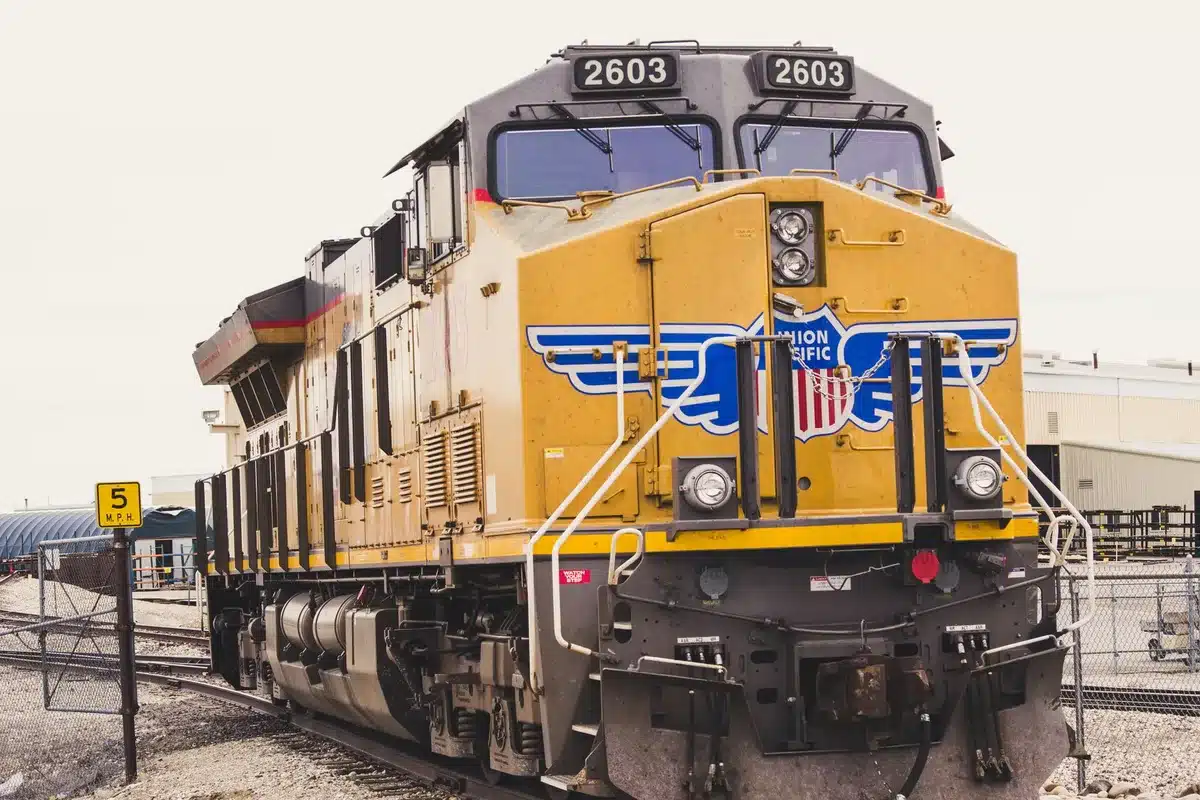
Union Pacific’s proposed $85 billion merger with Norfolk Southern faces intensifying opposition from shippers and rival railroads as the Surface Transportation Board moves closer to a decision on the landmark transaction. On August 6, 2026, five major shipper groups filed a motion asking the STB to deny the merger, arguing that Union Pacific and Norfolk Southern have failed to demonstrate the deal would serve the public interest.
The shipper groups—the Alliance for Chemical Distribution, American Chemistry Council, American Fuel & Petrochemical Manufacturers, The Fertilizer Institute, and the National Industrial Transportation League—contend that the railroads have not provided sufficient evidence to clear the STB’s preliminary “prima facie” threshold. They argue the merger would eliminate competitive options for shippers already captive to single railroads, exposing them to higher rates and deteriorating service.
Rival railroads have joined the opposition. BNSF Railway, the nation’s largest railroad by revenue, filed its own motion arguing that the merger’s sole claimed competitive enhancement—a program called Committed Gateway Pricing—would apply to less than 1% of rail traffic and only for a limited period. CPKC (Canadian Pacific Kansas City) similarly warned that the merger would extinguish the independence of two Class I competitors, reducing options available to American shippers and potentially triggering additional rail consolidations.
The Scale of the Proposed Deal
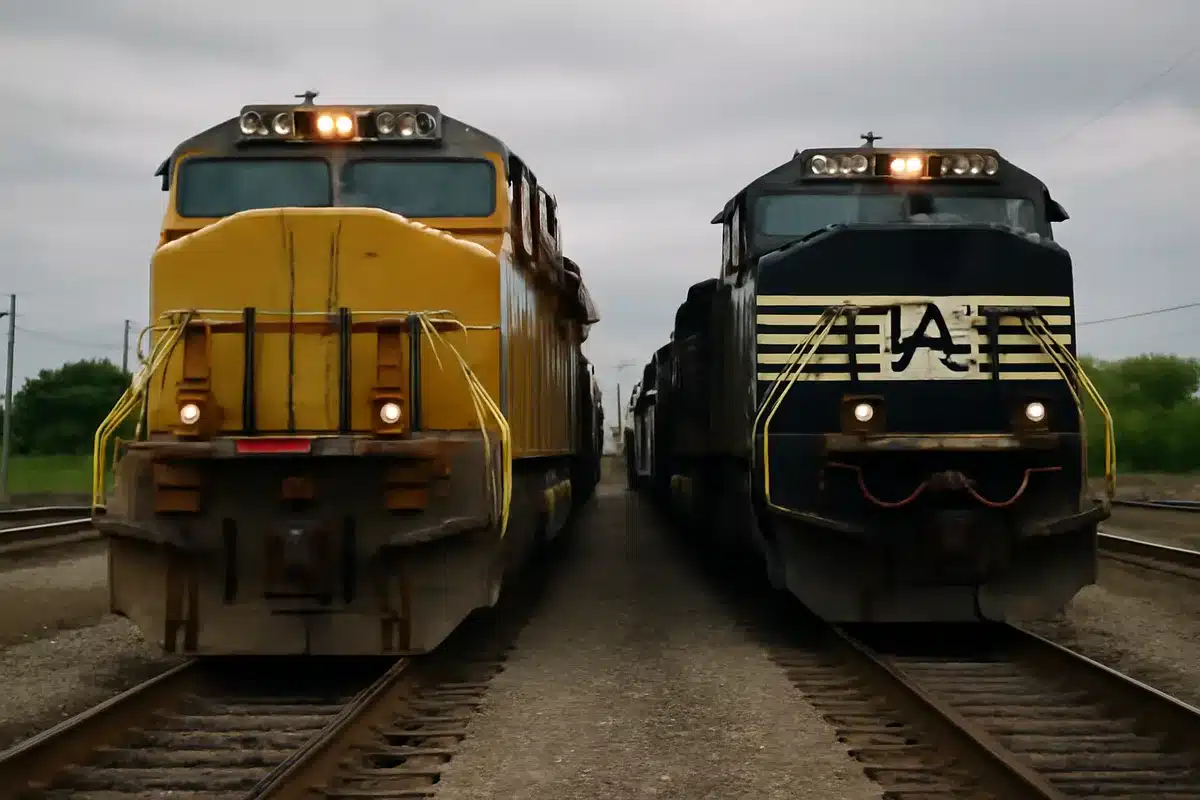
The merger, announced in July 2025, would create the first U.S. coast-to-coast freight rail operator, combining two of the nation’s largest railroads. The combined system would span 50,000 miles of track across 43 states and connect over 100 ports. Union Pacific projects the deal would generate $2.75 billion in annualized synergies and save customers $3.5 billion annually by shifting 2.1 million truckloads from highways to rail.
The STB accepted the railroads’ revised merger application for consideration on June 3, 2026, placing the proceedings in abeyance and ordering Union Pacific and Norfolk Southern to submit supplemental information by July 27. The railroads complied on July 7 and July 27, providing over 400 pages of additional material responding to the Board’s questions about competitive impacts, labor protections, and service safeguards.
The 2001 STB merger rules, adopted after rapid rail consolidation in the 1990s created service problems, require applicants to demonstrate that a major merger enhances competition and serves the public interest. The rules explicitly allow the Board to evaluate vertical foreclosure concerns—the risk that a merged railroad could favor its own traffic over that of competitors using its network. Shipper groups argue that UP and NS’s own analysis inadvertently proves the merger would cause such foreclosure, contradicting their claims of competitive benefit.
The Regulatory Path Forward
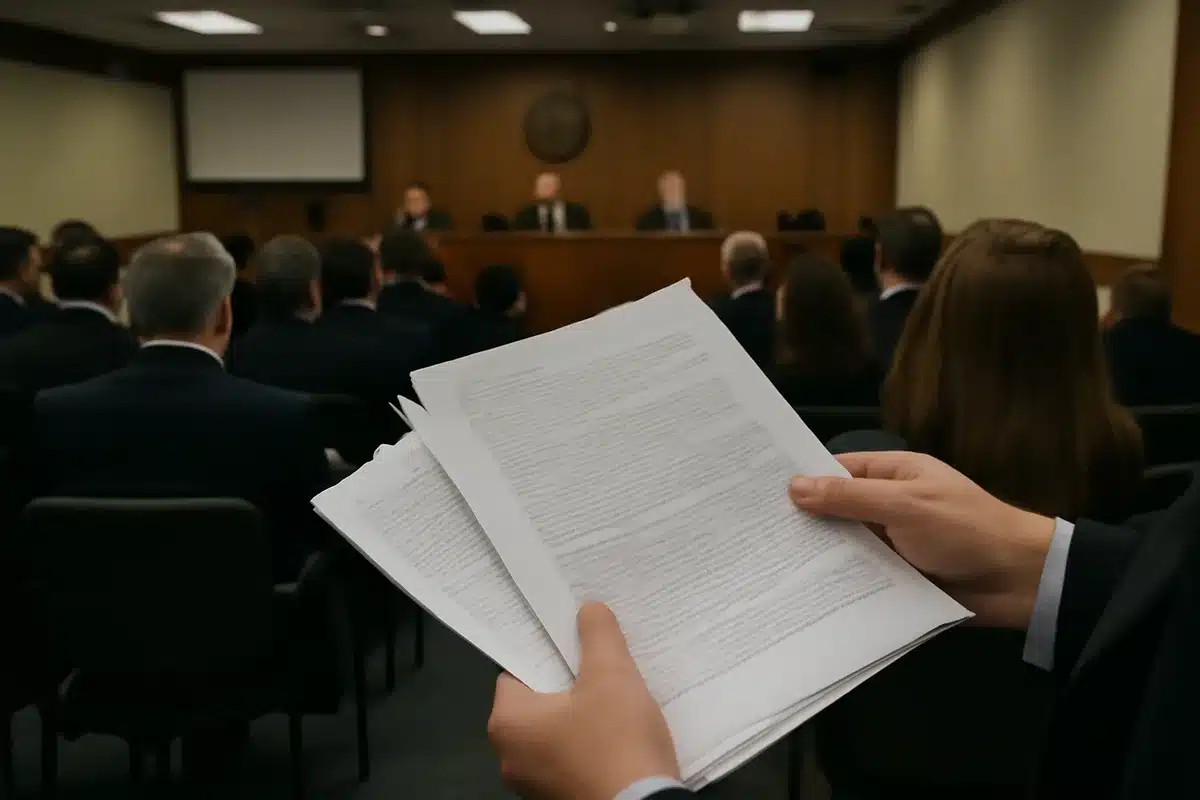
The STB will next lift the abeyance and issue a formal procedural and review schedule. The Board will then conduct a multi-month environmental review under the National Environmental Policy Act before reaching a decision. Union Pacific has pledged unprecedented job protections, promising that every union employee with a job at the time of merger approval will retain employment, a commitment backed in writing with multiple rail unions including SMART-TD, ATDA, and the Brotherhood of Railway Carmen.
The shipper groups and rival railroads argue that conditional approvals and temporary remedies cannot address the fundamental harm of combining two of the nation’s six major freight railroads. Their filings suggest the STB faces pressure to weigh the efficiency gains UP and NS project against shipper concerns about reduced competition and rising transportation costs that could ripple through supply chains for chemicals, fertilizers, fuel, and agricultural products.
Sources
- DTN Progressive Farmer — reported on August 13, 2026, that shipper groups and railroads filed motions asking the STB to deny the merger, with statements from BNSF CEO Katie Farmer, CPKC executive John Brooks, and American Chemistry Council CEO Chris Jahn
- Railway Age — published August 7, 2026, the full text of shipper groups’ and BNSF’s motions, including BNSF’s argument that the Committed Gateway Pricing program applies to less than 1% of rail traffic
- Reuters — reported April 29, 2026, that a coalition of business groups, rival railroads, and organized labor opposed the $85 billion merger
- Reuters — reported July 7, 2026, that the merger would create the first U.S. coast-to-coast freight rail operator and that UP and NS submitted supplemental responses to the STB
- NBC News — reported July 29, 2025, that Union Pacific announced the $85 billion acquisition would unlock about $2.75 billion in annualized synergies
- The New York Times — reported July 29, 2025, that the merger would create a network spanning 50,000 miles across 43 states
- STB official news — reported June 3, 2026, that the Board accepted the revised UP-NS major merger application for consideration and placed proceedings in abeyance pending supplemental information by July 27