U.S. retail sales fell 0.6% in July, disappointing investors and sending the Dow Jones Industrial Average down 0.2% on Friday as weaker consumer spending raised fresh concerns about economic momentum heading into the second half of 2026.
The decline marked a sharp miss against expectations for a 0.1% increase, according to the Commerce Department. July’s drop reversed June’s modest 0.2% gain and signaled a pullback in consumer activity after months of uneven growth.

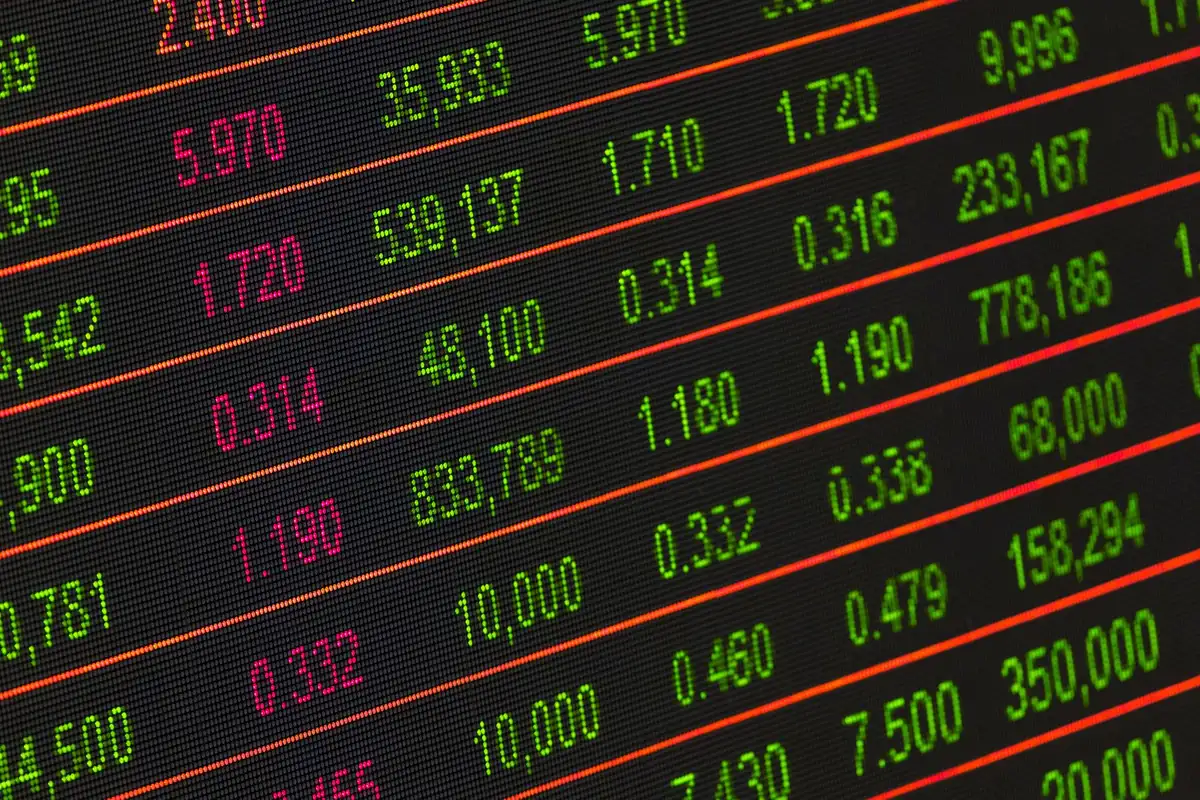
Stocks flattened immediately after the data release, with the Dow Jones falling 107 points by day’s end, while the Nasdaq Composite dropped 0.3%. The weakness underscored how closely Wall Street watches consumer spending, which accounts for roughly two-thirds of U.S. economic activity.
Consumer spending growth has already been slowing through 2026. According to McKinsey, consumer sentiment fell to a two-year low in May 2026, prompting households to focus on “cheap thrills” and necessary services rather than discretionary purchases. Higher energy and food costs, combined with policy changes affecting lower-income households, have weighed on retail activity.
Deloitte’s State of the U.S. Consumer report, released in August 2026, noted that consumer financial well-being remains firm, yet spending patterns reflect a more cautious approach. Economists had flagged this risk earlier in the year: retail sales growth was expected to slow significantly in 2026, with some forecasters projecting real consumer spending growth of only 1.5% for the full year, down from 2.8% in 2024.

The July retail sales miss came as the market had been near record highs. Earlier in August, the Dow Jones had climbed 0.32% and the S&P 500 had notched a record-high close. Friday’s pullback reflected a broader pattern in 2026: strong equity valuations have coexisted with underlying economic weakness and mounting uncertainty about the consumer’s ability to sustain spending without further headwinds.
Despite the monthly decline, retail sales rose 5% year-over-year in July, a figure that masks the month-to-month deterioration. The broader trend suggests consumers are tightening their belts as inflation pressures persist and wage gains fail to keep pace with living costs for many households.
Sources
- Trading Economics — July 2026 U.S. retail sales data and monthly comparison
- U.S. Census Bureau — Commerce Department retail sales report
- Wall Street Journal — Market reaction to retail sales release on August 14, 2026
- Yahoo Finance — Dow Jones Industrial Average closing performance
- McKinsey — Consumer sentiment analysis from May 2026
- Deloitte — State of the U.S. Consumer report, July–August 2026