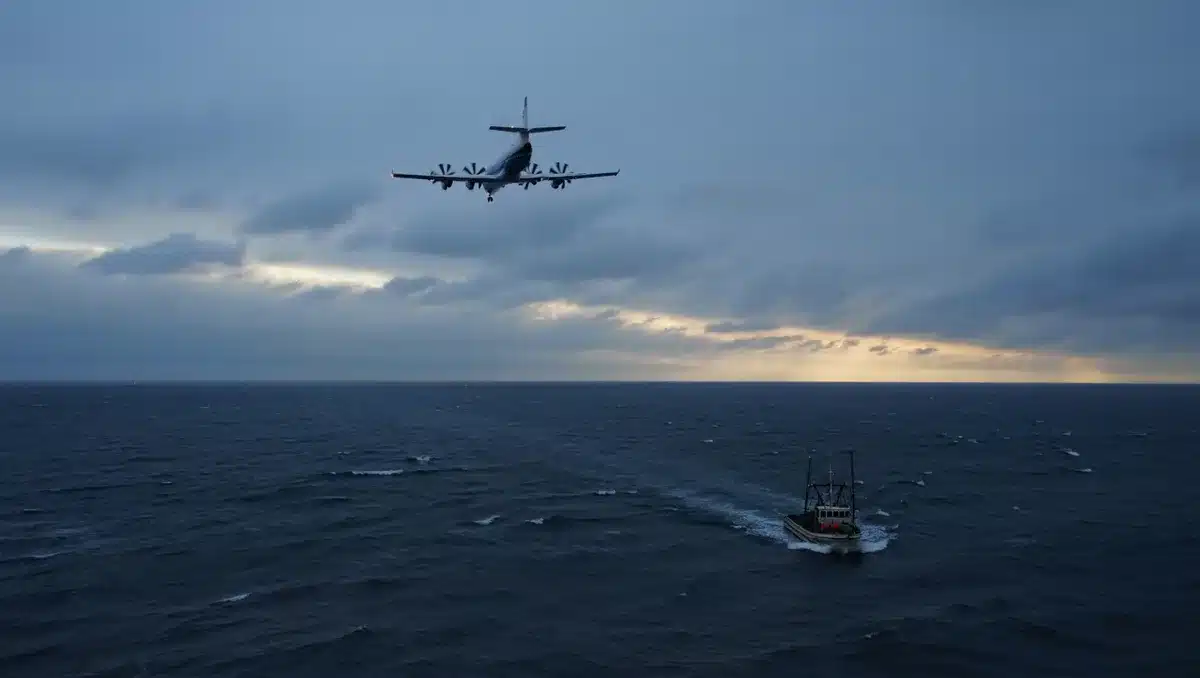
The Washington Post reported on August 13 that the CIA conducted covert drone strikes on Ecuadorian fishing boats near the Galápagos Islands as part of a secret government agency operation approved by the president but kept from public view. According to a person with knowledge of the matter cited by the Post, the strikes were part of a “covert action” program, a type of classified overseas operation where the U.S. government’s role is not publicly acknowledged.
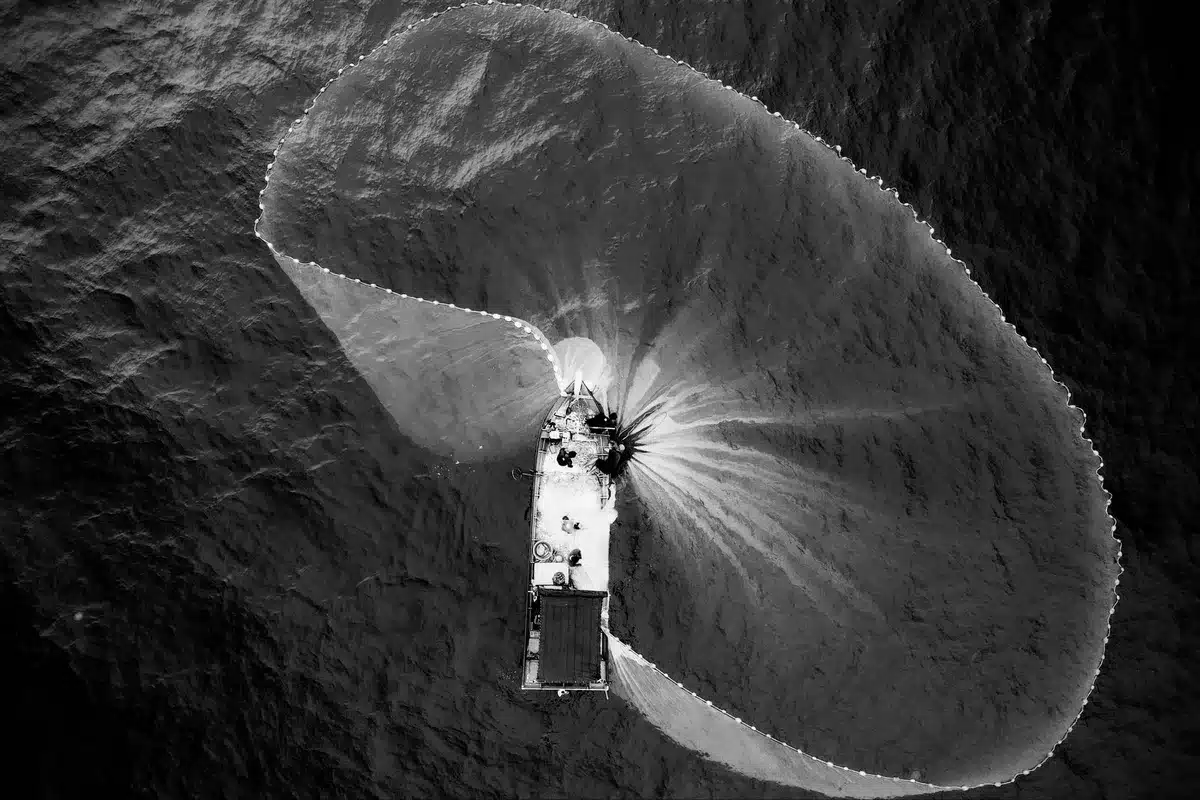
The strikes targeted multiple fishing vessels throughout 2026. The fishing boat Fiorella disappeared on January 20 with eight crew members still missing and presumed dead, according to the United Nations. Two other Ecuadorian fishing vessels were attacked in March, with survivors reporting they were initially detained and mistreated by armed forces after being rescued from the water.
The CIA drone strikes are part of Operation Southern Spear, a broader military campaign launched by the Trump administration in November 2025 to target vessels suspected of drug trafficking. According to the Washington Post and military officials, a surveillance plane flew from El Salvador toward the fishing boats before drones attacked, with flight data showing the pattern of surveillance preceding strikes. As of July 14, 2026, the operation had resulted in 221 reported deaths across 67 boats struck in 63 separate attack events, according to a report by the Washington Office on Latin America (WOLA).
Legal experts have raised significant concerns about the strikes’ legality. The ACLU, Center for Constitutional Rights, and UN human rights experts presented arguments to the Inter-American Commission on Human Rights in March 2026 that the strikes violate both domestic and international law. Ben Saul, the UN special rapporteur for protecting fundamental freedoms while countering terrorism, stated that the U.S. was “responding with lawless violence that flagrantly violates human rights, in its phony war on so-called narco-terrorism,” and emphasized that “drug trafficking is a crime, not war.”

According to WOLA’s analysis, legal experts argue the strikes constitute murder under Section 1111 of Title 18 of the U.S. Code and extrajudicial executions under international human rights law. The report noted that those targeted are civilians—including suspected drug smugglers—who were not accused of capital offenses and had no due process before being killed. WOLA highlighted that Defense Department officials reportedly do not know the identities of many people they are killing, yet classify them as “affiliates” of terrorist organizations, a broad designation that could encompass people only tangentially connected to criminal groups.
The strikes represent a departure from decades of established U.S. Coast Guard and Navy drug interdiction practices in the same waters. A classified September 5, 2025 memo from the Department of Justice, cited in WOLA’s report, sought to provide legal justification for the military operations, though the full contents remain secret. Pentagon and DEA officials stated in July 2026 that despite the deadly campaign, the boat strikes have failed to curb cocaine supply entering the United States, raising questions about the operation’s effectiveness and rationale.
Sources
- The Washington Post — reported CIA conducted covert drone strikes on Ecuadorian fishing boats near the Galápagos Islands as part of a classified “covert action” program
- United Nations — confirmed eight crew members from the Fiorella missing and presumed dead after the January 20, 2026 incident
- Washington Office on Latin America (WOLA) — documented 221 deaths across 67 boats in 63 attack events as of July 14, 2026; analyzed legal arguments that strikes constitute murder and extrajudicial executions
- ACLU and Center for Constitutional Rights — presented to Inter-American Commission on Human Rights that strikes violate domestic and international law
- UN Special Rapporteur Ben Saul — characterized U.S. strikes as “lawless violence” and stated drug trafficking is a crime, not war
- The Washington Post — reported Pentagon and DEA officials stated boat strikes have failed to curb cocaine supply