Russian President Vladimir Putin visited the disputed Kuril Islands for the first time on August 13, 2026, drawing swift condemnation from Japan and reigniting a territorial dispute that has festered since the end of World War Two. Putin traveled to Iturup, known in Japan as Etorofu, where he visited a hospital, school, and fish-processing plant on what state media said was his first trip to the island chain.
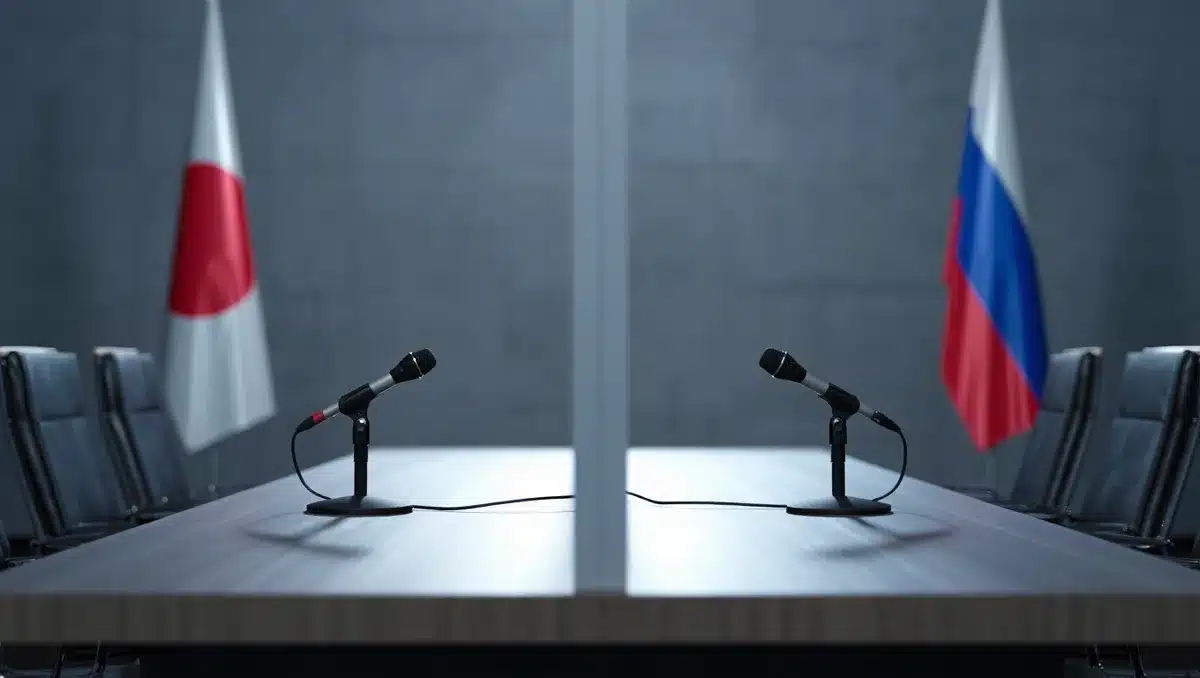
Japan’s Prime Minister Sanae Takaichi called the visit “absolutely unacceptable,” saying it “hurts the feelings of the Japanese people.” She stressed that the islands, located off Japan’s northernmost island of Hokkaido, are “both historically and under international law” part of Japan and that the visit was “incompatible with Japan’s consistent position” on the territory. Japan’s Foreign Ministry summoned Russian ambassador Nikolai Nozdrev to lodge a formal protest.
Russia’s Foreign Ministry spokeswoman Maria Zakharova swiftly dismissed Japan’s complaint, saying Iturup was “legally, like all the Kurils, an integral part of our country” and that Japanese officials had “brazenly” attempted to dictate where Russia’s leader could travel. The Russian embassy in Tokyo stated that the islands “were, became Russian territory on legitimate international grounds” and that the president’s movements within Russia are “entirely a matter for the Russian leadership to decide.”
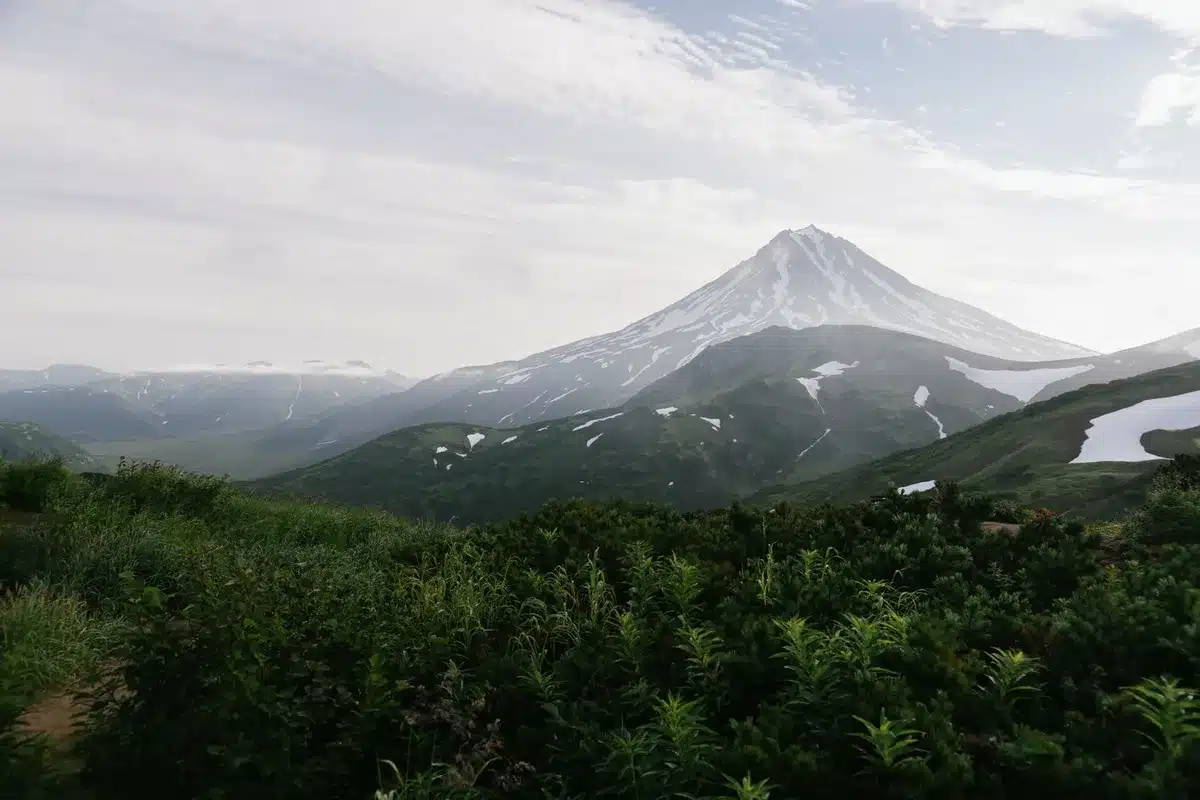
The four southernmost islands—Etorofu, Kunashiri, Shikotan, and the Habomai islet group—were seized by Soviet forces in the final days of World War Two, between August 18 and September 2, 1945. The Soviet Union formally annexed them on February 2, 1946. When Soviet troops took control, approximately 17,000 Japanese residents were forcibly deported; today, about 20,000 Russian citizens inhabit the islands. The dispute has prevented the two nations from signing a formal peace treaty, which Japan has long made a condition for closer economic ties.
Deteriorating Relations and Historical Precedent
Bilateral ties between Moscow and Tokyo soured sharply after Putin ordered the full-scale invasion of Ukraine in February 2022. Japan joined Western nations in condemning the attack and imposing sanctions on Russia, freezing assets and restricting exports. According to the Carnegie Endowment, since the start of Russia’s invasion, “relations between Japan and Russia have been in the deep freeze.” This stands in stark contrast to an earlier period when the late Prime Minister Shinzo Abe had built diplomatic momentum, resuming visits by Japanese citizens to family graves on the islands and pursuing peace-treaty negotiations.
Putin’s visit is not the first by a Russian leader to the disputed territory. In 2010, then-President Dmitry Medvedev traveled to Kunashiri, one of the southern islands, drawing a furious reaction from Japan, which described the visit as “unforgivable.” Medvedev visited the islands again in subsequent years. However, Putin’s visit as the current sitting president marks a more significant assertion of Russian control, coming at a moment of heightened tension and just days before Japan marks 81 years since its surrender ended World War Two. Former President Medvedev responded to Takaichi’s statement by posting on X that the islands “were, are, and will remain Russian land,” adding: “Anyone who fails to understand this will face the monstrous consequences of their delusion.”
The islands hold strategic and economic importance beyond their symbolic value. The chain provides access to rich fishing grounds and valuable mineral deposits, and sits at a critical juncture in the Asia-Pacific region. Japan’s government has consistently maintained that the islands are an integral part of its territory under international law, a position rooted in the 1855 Treaty of Shimoda, which Japan views as establishing Japanese sovereignty. Russia, conversely, has long held that the islands became Russian through legitimate wartime acquisition and post-war treaties.
Sources
- Reuters — Putin’s visit to Iturup, Japan’s condemnation as “absolutely unacceptable,” the 17,000 Japanese residents deported, and Russia’s Foreign Ministry response
- The Guardian — Prime Minister Takaichi’s statement, the islands’ historical claim under international law, Medvedev’s 2010 visit, and the impact of the Ukraine war on bilateral relations
- Al Jazeera — Japan’s protest and the 17,000 Japanese residents deported after 1945 occupation
- BBC — Takaichi’s remarks and the “absolutely unacceptable” characterization
- Carnegie Endowment — Relations between Japan and Russia “in the deep freeze” since February 2022
- FPRI (Foreign Policy Research Institute) — Russia’s suspension of peace-treaty negotiations with Japan after Ukraine sanctions