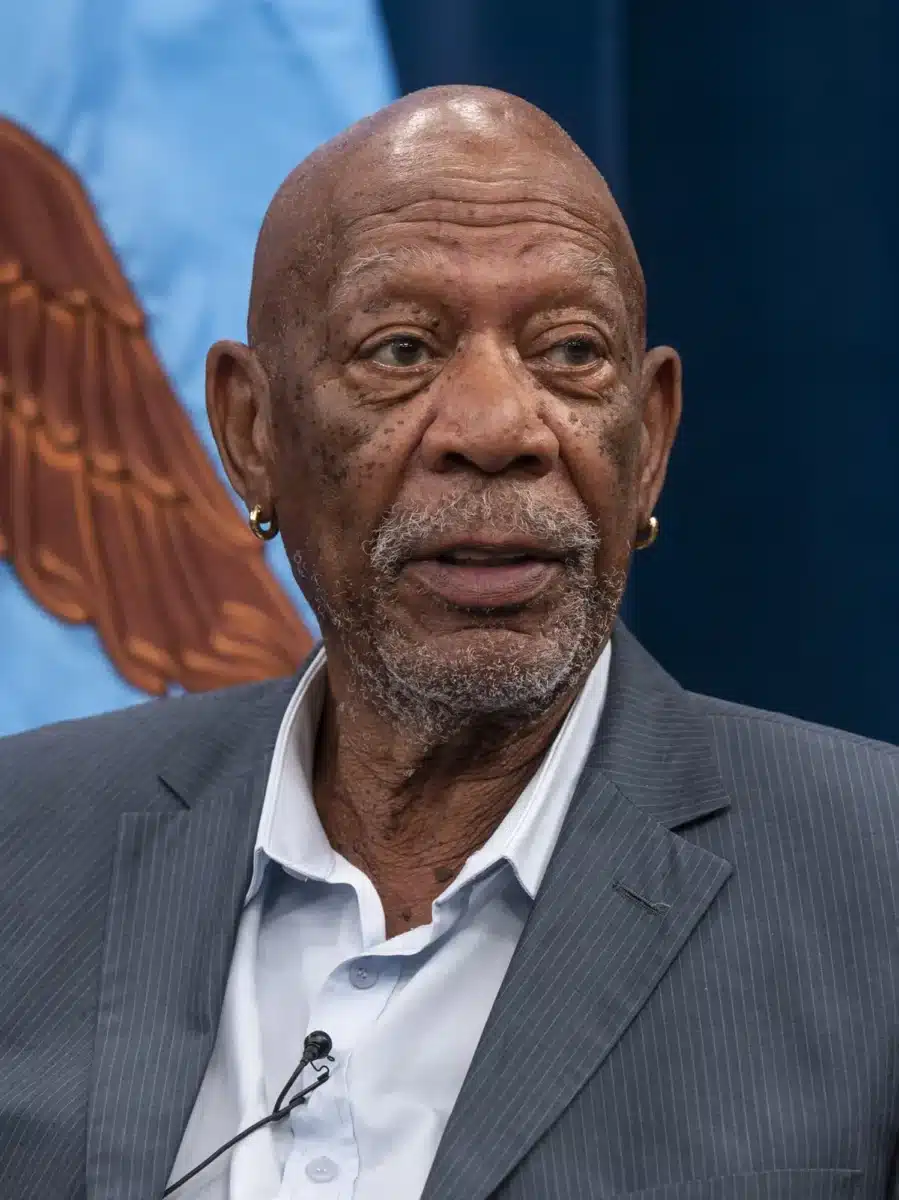
Veterans Affairs Secretary Doug Collins has been excluded from recent Capitol Hill meetings about reviving a major veterans bill after Republican lawmakers and White House officials blamed him for the legislation’s collapse in July, according to sources familiar with the discussions.
Collins and his team at the Department of Veterans Affairs have been shut out of closed-door negotiations on the “Take Care of America’s Veterans Act,” which House Republicans are attempting to resurrect following a failed vote last month. Senior GOP members and Trump administration officials say Collins undermined the measure through confusion over his position and mixed signals to lawmakers, according to CNN and Politico reporting.
“His relationship with the Hill directly is garbage at this point,” one source told CNN. “They don’t trust him anymore,” said another person familiar with the dynamics.

The bill, known as HR 9237, combines more than 60 veteran-related measures into one package and would expand benefits for roughly 9 million veterans and their families. It would allow veterans to receive both retirement benefits and combat-injury-related benefits simultaneously—a combination currently prohibited—and would improve access to private-sector care and survivor benefits for spouses of deceased veterans.
The legislation would be funded partly by cutting future disability claims for tinnitus and sleep apnea cases, a proposal that has drawn fierce opposition from Democrats and major veterans service organizations including the Veterans of Foreign Wars and Disabled American Veterans. The bill would reduce veterans’ earned disability benefits by $57 billion over the next decade, according to DAV.
Collins initially signaled support for the measure to Republican leadership, but sources say he then began subtly working against it. House Republicans who spoke with him about the legislation said he discussed their concerns in a way that left them comfortable remaining opposed to the bill, even though he never directly told them to vote against it. A VA press secretary told Government Executive in June that the proposal “would need to undergo significant changes,” further confusing House staffers about Collins’ true position.
The confusion deepened in mid-July when House Republicans began wavering in their support. Just hours before the scheduled vote, VA officials issued a clarification stating that the sleep apnea and tinnitus revisions would move ahead regardless of the bill’s fate. But the statement came too late—Speaker Mike Johnson pulled the bill from the floor after a group of Republicans warned they would tank it, fearing they would be blamed for cutting benefits.
One White House official called the outcome “a self-inflicted loss at the hands of the VA secretary.” Senior Republicans relayed complaints to the White House about how Collins and Don Bergin, the VA’s assistant secretary for congressional and legislative affairs, handled the matter, saying they no longer view them as “honest brokers.”
The failed vote cost Republicans a legislative win just before the August recess and eliminated what would have been a positive campaign issue ahead of November’s midterm elections. The House will need to use precious floor time in September if leadership wants to attempt passage again—this time without Collins at the table.
Collins’ standing in the administration has deteriorated over several months. His 2025 proposal for mass layoffs at the VA—initially targeting 80,000 positions across the roughly 480,000-person department—drew fierce bipartisan opposition on Capitol Hill, including from the late Senator Lindsey Graham, who said he was blindsided by the move. Collins also required pressure from House appropriators to testify before them in May, after lawmakers voted to withhold funding for the agency if he didn’t appear.
The Senate confirmed Collins as VA Secretary on February 4, 2025, by a vote of 77-23, giving him broad bipartisan support at the time. But the White House is now tracking how many days a week he spends in Washington versus his home state of Georgia, according to sources. Trump is unlikely to fire Collins before November to minimize upheaval ahead of the midterm elections, though speculation has grown that Collins may leave the administration of his own accord.
The VA denied that Collins worked against the bill’s passage. Press secretary Quinn Slaven said the Trump administration and Secretary Collins “broadly support this bill” and that “while we believe it could benefit from some amendments, it contains many priorities of the administration.”
Sources
- CNN — Collins’ exclusion from veterans bill talks, GOP backlash, and White House dynamics around his role (August 13, 2026)
- Politico — VA secretary’s role in failed veterans bill, Republican frustration, and Collins’ handling of the legislation (July 28, 2026)
- U.S. Senate — Collins’ confirmation vote and date (February 4, 2025)
- Multiple sources — Details on the Take Care of America’s Veterans Act, bill contents, and opposition from veterans organizations