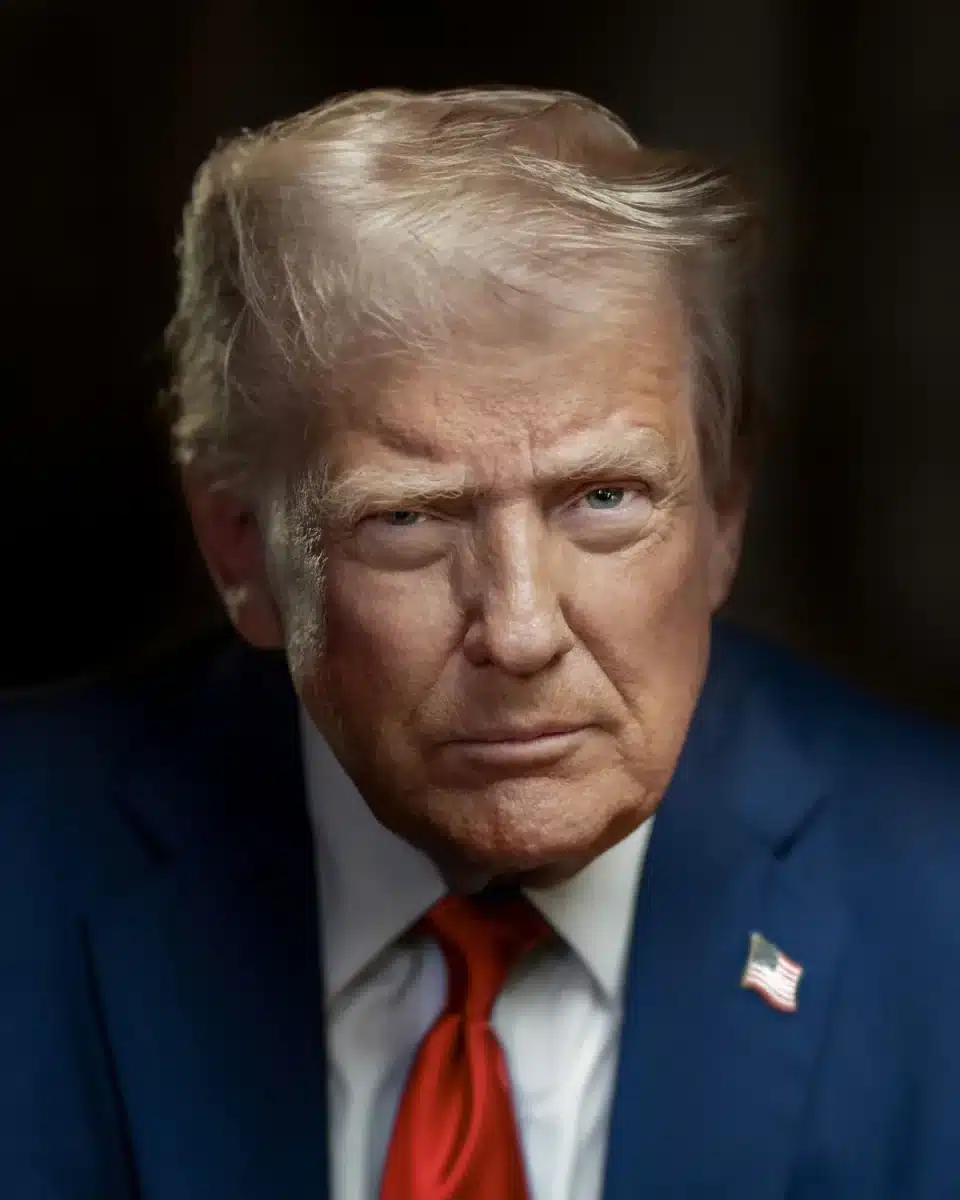
President Trump ordered the U.S. Navy on Thursday to return to steam catapults on Ford-class aircraft carriers, directing the service to remove the Electromagnetic Aircraft Launch System (EMALS) from future vessels including the USS Doris Miller currently under construction.
Trump signed a national security memorandum stating that the Navy should “use proven, reliable and affordable technologies and ship designs” while restoring “capacity and competition to the maritime industrial base.” The president has criticized EMALS as too complex and costly since his first term in office.
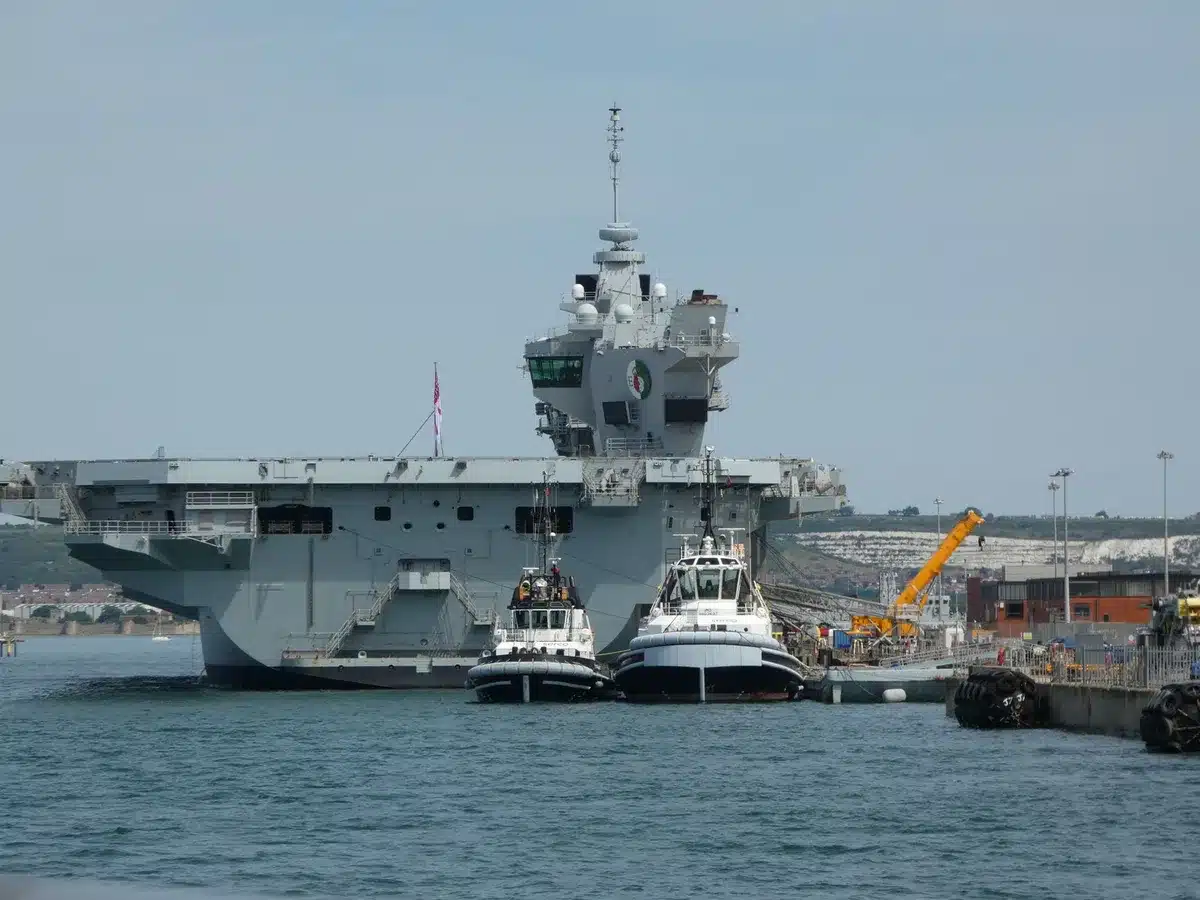
The order represents a reversal of Navy strategy that has drawn sharp criticism from defense officials and military experts. General Atomics, the California-based contractor that secured a $1.2 billion deal to build EMALS for the USS Doris Miller, warned that changing course now would introduce “significant cost, schedule and integration risks” with nearly 50 percent of production already complete.
Retired Rear Admiral Mark Montgomery, a senior fellow at the Foundation for Defense of Democracies and former commander of Carrier Strike Group 5, called the decision “illogical, inefficient and a waste of money.” He noted that EMALS reduces wear on aircraft through smoother acceleration, weighs significantly less than steam systems, uses less energy and water—both in short supply on ships—and requires less maintenance and crew.
Trump’s decades-long fixation on this issue began in earnest in 2017, when he first criticized the electromagnetic system during his initial presidency. In May 2019, aboard the USS Wasp in Japan, he promised sailors he would order a return to steam catapults, describing the digital system as “no good” and too expensive. Last October, he reiterated his intention to sign an executive order directing the Navy to use steam-powered catapults and hydraulic elevators on future carriers.
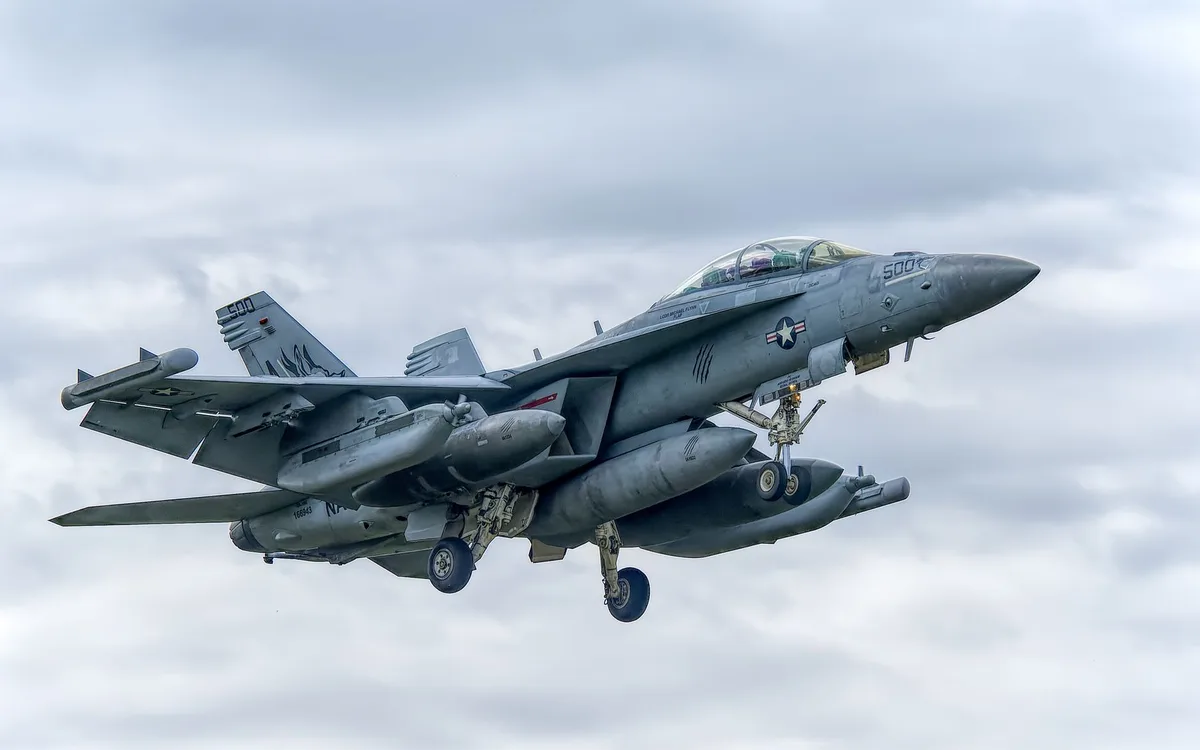
The Navy has documented both the appeal and the challenges of EMALS. Earlier this year, the service highlighted how the system and advanced arresting gear “contribute to an increased sortie generation rate compared to that of a Nimitz-class carrier,” according to preliminary reports from testing aboard the USS Gerald R. Ford. However, the carrier has experienced reliability issues during development, including a 2020 incident in which a power fault left it unable to launch aircraft for five days.
The USS Gerald R. Ford, the world’s largest aircraft carrier currently using EMALS, cost over $13 billion to build and has faced years of construction delays and cost overruns related to the new systems. Trump’s memo also directs Defense Secretary Pete Hegseth to establish a new fifth Naval shipyard to boost carrier and submarine repair capacity, and to pursue direct investments in the U.S. shipbuilding industrial base.
Senate Democrats swiftly pushed back. Senator Mark Kelly (D-Ariz.), a former Navy pilot with a Master’s degree in aeronautical engineering who sits on the Senate Armed Services Committee, said on social platform X that despite his experience launching from aircraft carriers hundreds of times, he would not presume to tell the Navy how to engineer specific systems on its ships.
Sources
- The Hill — Trump’s order to remove EMALS from Ford-class carriers, the national security memorandum text, General Atomics’ response, and Rear Admiral Montgomery’s criticism
- Wall Street Journal — Trump signed a national security memorandum directing the Navy to replace electromagnetic catapults with steam systems, and Navy officials’ years of resistance to the change
- AP News — Confirmation of Trump’s order and the directive to remove EMALS from future carriers
- Marine Link — Details on the order affecting the Ford-class carriers and the removal of EMALS and Advanced Weapons Elevators
- Breaking Defense — Trump’s October 2025 announcement of his intention to sign an executive order on steam catapults
- U.S. Navy Press Office — February 2026 statement on EMALS and Advanced Arresting Gear contributing to increased sortie generation rates during testing
- USNI News — 2020 report on EMALS power fault that rendered USS Gerald R. Ford unable to launch aircraft for five days