U.S. cable TV subscriptions have fallen to 68.7 million, down dramatically from 105 million in 2010, as streaming services continue to reshape how Americans consume video content. The decline reflects a fundamental shift in the media landscape, with streaming platforms now commanding the majority of television viewing time.
Streaming services now account for 47.5 to 48.6 percent of total U.S. TV viewing, according to Nielsen data from mid-2026, while cable television has fallen to just 20 percent of viewing share. This marks the culmination of a trend that accelerated sharply after July 2022, when streaming first surpassed cable in total viewing time.
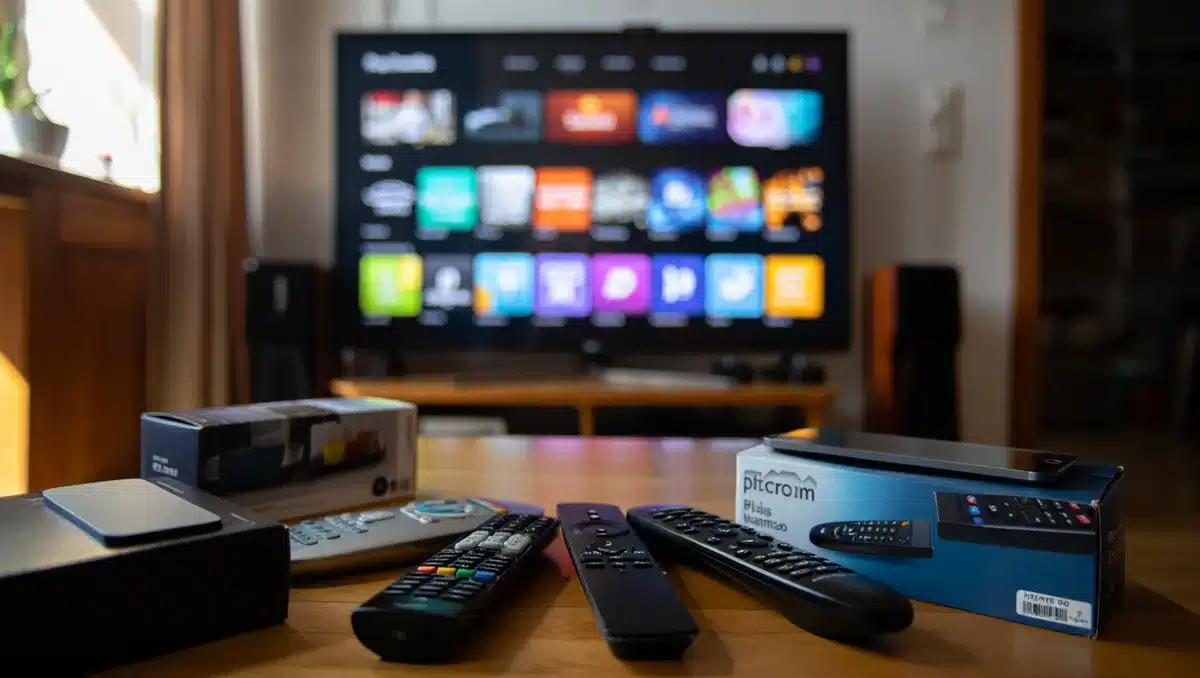
The generational divide is stark. According to Pew Research Center data from July 2025, only 36 percent of U.S. adults subscribe to cable or satellite TV, while 83 percent use at least one streaming service. A March 2026 survey by CableTV.com found that 92 percent of respondents use streaming services, with 21 percent subscribing to five or more platforms simultaneously.
Cost remains the primary driver of cord-cutting. The average cable bill now exceeds $147 per month, compared to an average streaming bill of $30, according to the same March 2026 survey. Cable’s bundled channel packages have become increasingly unattractive to viewers who prefer on-demand access and the ability to choose individual services.
The shift accelerated dramatically between 2021 and 2026. Streaming usage increased by 71 percent during that period, while cable viewing declined by 39 percent, according to industry analysis. In March 2026, Nielsen data showed streaming capturing 47.6 percent of total TV viewing, with YouTube alone accounting for 13.2 percent of all television consumption.

Content migration has also played a role in cable’s decline. Major networks and studios have shifted their original programming to streaming platforms, reducing cable’s appeal. Additionally, the State of TV 2026 report found that nearly half of cable subscribers say they would cancel if prices increase further, suggesting the industry faces continued headwinds.
The cable industry still retains some advantages. Sports programming, particularly live events, remains a cable stronghold, and some older demographics continue to prefer traditional television. However, these factors appear insufficient to reverse the overall trend toward streaming dominance.
Sources
- CableCompare — Cable TV subscriber statistics showing decline from 105 million in 2010 to 68.7 million in 2026
- InsideRadio — Cable TV subscription data confirming 68.7 million subscribers as of 2025
- Nielsen — Streaming viewing share reaching 47.5 to 48.6 percent by mid-2026 and cable declining to 20 percent
- Pew Research Center — Survey data showing 36 percent cable/satellite subscription rate and 83 percent streaming adoption
- CableTV.com State of TV 2026 Report — Cable bill averaging $147 monthly versus $30 streaming, and subscriber price sensitivity
- Gardner Magazine — Streaming usage increase of 71 percent and cable decline of 39 percent from 2021 to 2026