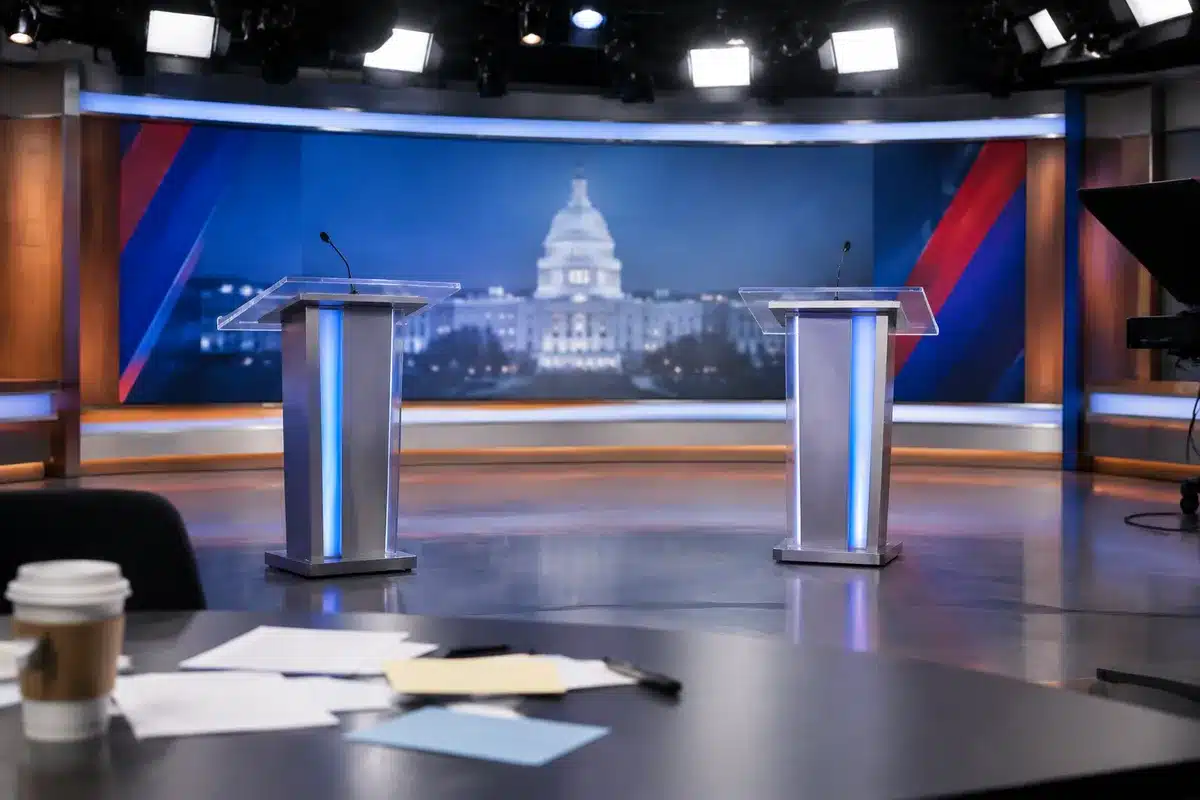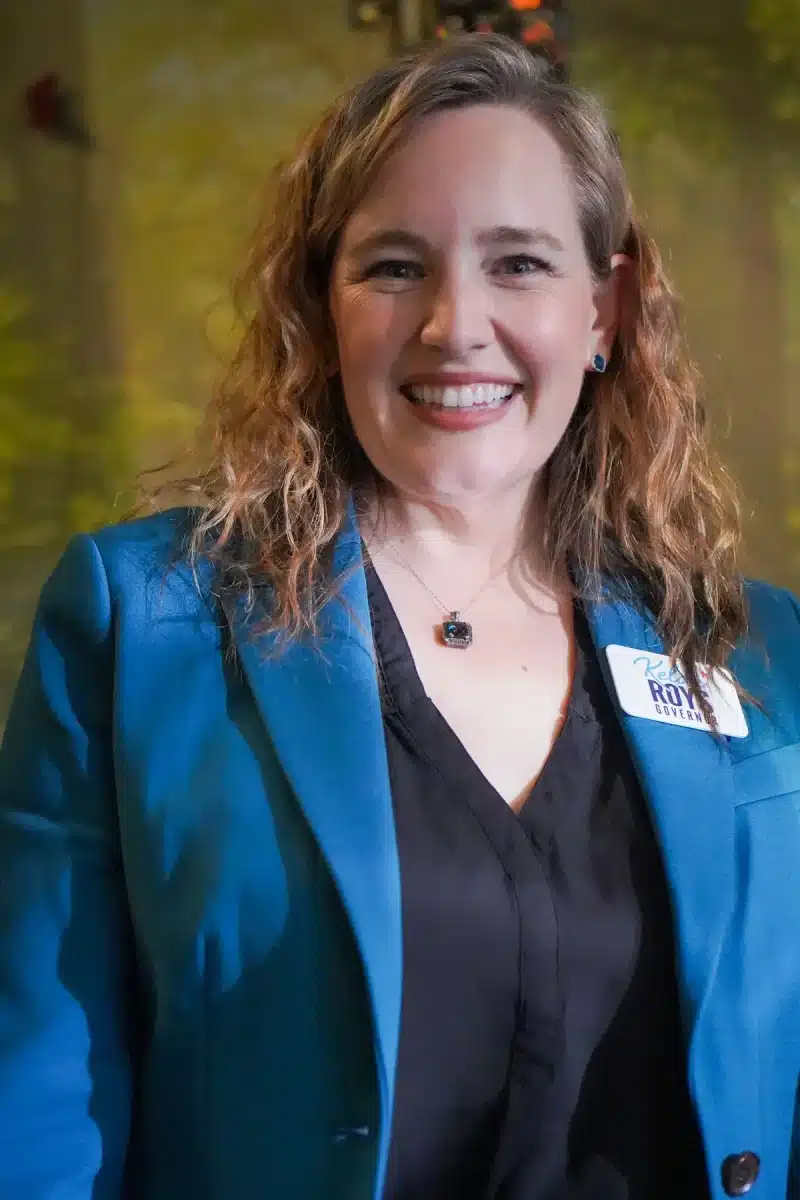
State Senator Kelda Roys finished third in Wisconsin’s Democratic primary for governor on August 11, 2026, capturing 7.6% of the vote in a crowded field that saw Milwaukee County Executive David Crowley emerge as the winner with 39.8%, followed by Madison State Representative Francesca Hong at 34.1%.
Roys, a 47-year-old Madison Democrat, was making her second bid for the governor’s office after running unsuccessfully in the 2018 Democratic primary, when she placed third with close to 13% of the vote. This year’s result marks a decline from her previous gubernatorial campaign despite an aggressive push in the primary’s final weeks.
The primary featured a volatile field that narrowed from an initial seven Democratic candidates. Several candidates dropped out and reentered the race, including Crowley, who withdrew and then rejoined with the endorsement of outgoing Governor Tony Evers. Roys remained in the race throughout, investing $500,000 in a statewide television ad buy in late June and raising approximately $900,000 from when she announced her candidacy through the end of June.
Roys positioned herself as the most experienced candidate in the field, highlighting her legislative record and detailed policy proposals. She served two terms in the state Assembly from 2009 to 2013 and was elected to the state Senate in 2020, representing one of Wisconsin’s bluest districts in downtown Madison. Before her legislative career, she founded a real estate technology company and served as executive director of NARAL Pro-Choice Wisconsin, where she worked on abortion rights legislation.
Her campaign centered on education funding, healthcare access, and raising the minimum wage. She secured the endorsement of the Wisconsin Education Association Council, the state’s largest teacher’s union, citing her commitment to fully funding public schools and ending Wisconsin’s private school voucher program. Roys also proposed “KeldaCare,” a plan to open the state employee health insurance program to private citizens and businesses, and supported increasing the minimum wage from $7.25 to $15 per hour with a path to $20 by 2030.
According to a University of Wisconsin-Madison political scientist who studied the race, Roys occupied a progressive lane in the primary, but that space was crowded. “She is not the only Madison candidate in the race, she’s not the only state legislator in the race, she’s not the only female candidate in the race,” Barry Burden noted, adding that “she’s not the most progressive candidate” with Hong in the field as a self-described democratic socialist.

The Democratic winner of the primary faces Republican U.S. Representative Tom Tiffany in the November 3 general election. Roys said in interviews that she believed her experience and policy expertise would ultimately resonate with voters, noting that “our political culture too often rewards risk aversion and complacency” and that Democrats needed “our most experienced progressive fighter at the helm.” She has run for higher office multiple times before, including an unsuccessful 2012 bid for Congress, but maintained that each race offered different opportunities and that candidates should be encouraged to take risks.
Sources
- NBC News — Wisconsin Governor Democratic Primary results showing Crowley at 39.8%, Hong at 34.1%, and Roys at 7.6%
- Wisconsin Public Radio — Profile of Roys’ campaign, her 2018 gubernatorial result (third place, 13%), her legislative background, and endorsement from WEAC
- Wisconsin Examiner — Details on Roys’ campaign strategy, fundraising ($900,000 through June), policy proposals including KeldaCare and education funding, and her legislative experience
- Ballotpedia — Confirmation of August 11, 2026 primary date and Roys’ third-place finish with 7.6%
- University of Wisconsin-Madison — Political scientist Barry Burden’s analysis of Roys’ position in the crowded primary field