Global installed solar capacity surpassed 3 terawatts in early 2026, marking a historic acceleration in clean energy deployment that took less than two years after hitting 2 terawatts in late 2024. The milestone represents a staggering compression of timelines: the first terawatt took nearly 68 years to reach in 2022, the second arrived in roughly two years, and the third in just 19 months.
The rapid pace reflects a fundamental shift in how solar power is being deployed worldwide. In 2025, the world installed a record 664 gigawatts of new solar capacity, a 12% increase over the prior year, according to Solar Power Europe. Solar and battery storage together accounted for 91% of all new grid capacity added in the first quarter of 2026, according to the U.S. Solar Energy Industries Association.
The acceleration has been driven by a shift in the geography of solar adoption. While the first terawatt was built almost entirely in wealthy nations subsidizing renewable energy, China has become the dominant force in the second and third terawatts, installing massive amounts of solar capacity and exporting inexpensive panels globally. China is now responsible for more than half of all solar installations worldwide, according to Bloomberg analysis reported by Energy Connects.
Beyond China, developing countries are emerging as unexpected leaders in the solar boom. Countries facing energy crises—including Pakistan, Nigeria, the Philippines, and Cuba—have seen extraordinary growth in rooftop solar installations as homeowners turn to imported panels to offset soaring fossil fuel prices. The number of countries with at least 1 gigawatt of installed solar capacity has grown to 74 as of 2025, up from 42 in 2020, according to Bloomberg reporting.
Solar now supplies approximately 9% of the world’s electricity, up from 3% in 2020, according to Pew Research Center data. In April 2026, wind and solar together generated 22% of global electricity for the first time, surpassing natural gas at 20%, according to energy think tank Ember. This growth is expected to accelerate further: BloombergNEF forecasts the world will deploy more than 9 terawatts of solar by 2036.
The expansion has revealed new challenges. China’s solar deployment has outpaced the buildout of supporting infrastructure like transmission lines and battery storage, leading to curtailment of solar production during peak hours and wasted energy. To address this, China announced in its latest Five-Year Plan a series of measures to increase renewables consumption by more than 50% by 2030, rather than continuing to focus solely on production capacity.
Energy storage has become critical to sustaining the solar boom. According to Bloomberg, countries such as Pakistan and the Philippines—where solar adoption has accelerated rapidly—are now seeing parallel surges in battery installations. Without sufficient battery storage to absorb excess daytime power and release it in the evening, analysts argue the solar revolution cannot reach its full potential. “Without enough energy storage, you cannot maximize solar’s potential,” said Lara Hayim, head of solar research at BloombergNEF, in reporting by Energy Connects.
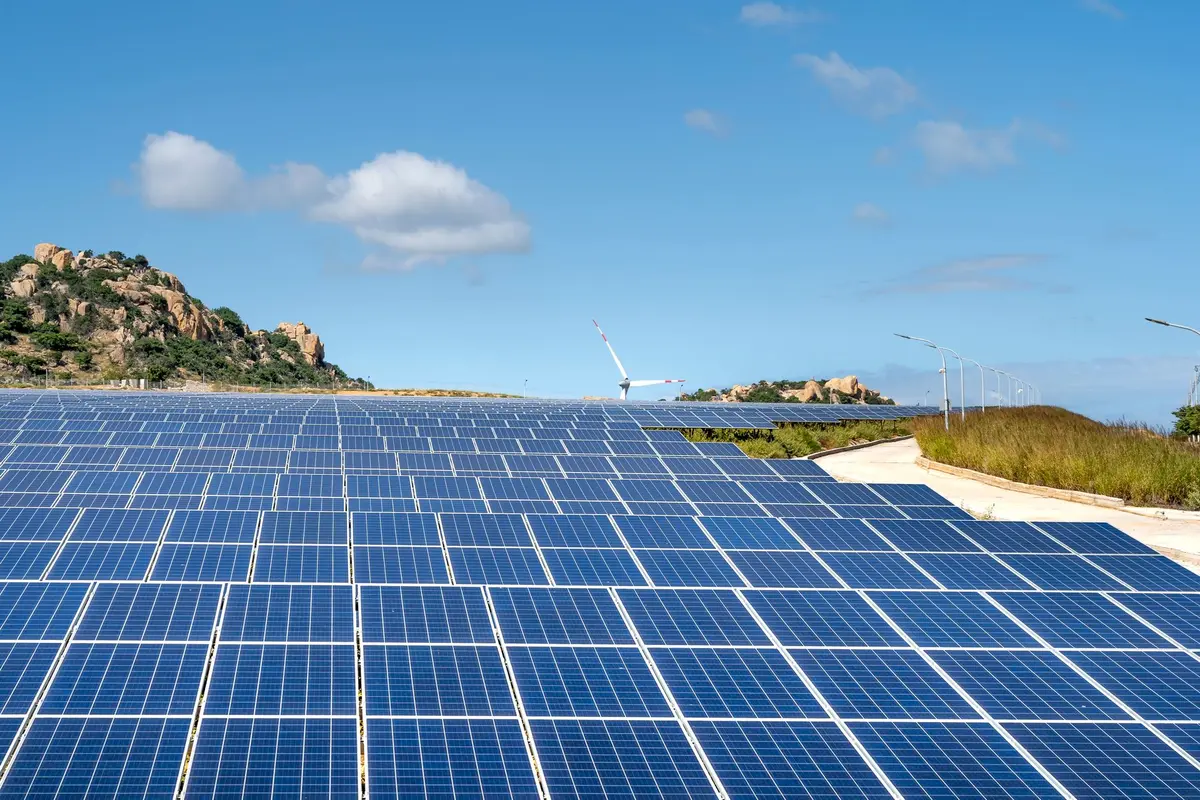
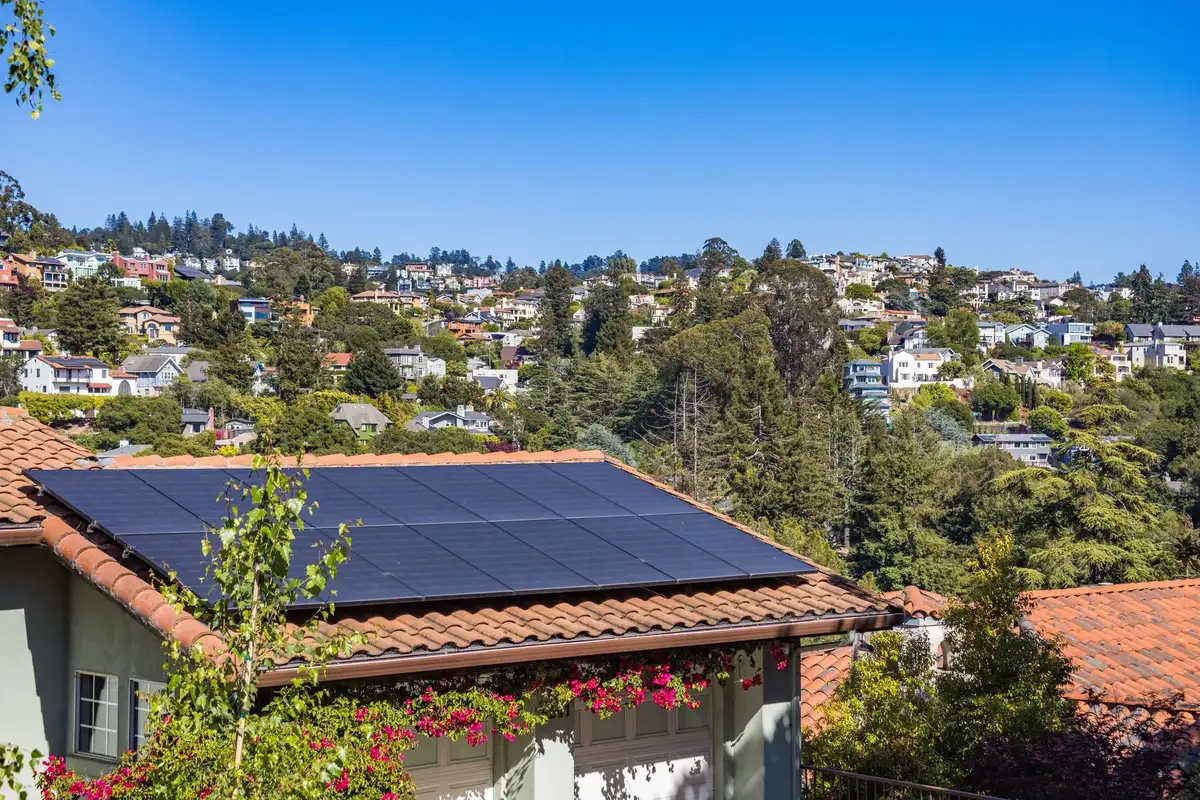
The milestone reflects what Bloomberg describes as “one of the greatest stories of the 21st century,” yet it has received surprisingly little public attention. For most people, the increased deployment of solar is perceived not in figures but in visual signals—solar panels on rooftops, on trains, and across the landscape. As solar power continues to expand, that visual presence will only grow stronger in the years ahead.
Sources
- Energy Connects / Bloomberg — confirmed the 3 TW milestone reached in early 2026, timeline acceleration (1 TW in 68 years, 2 TW in 2 years, 3 TW in 19 months), China’s dominance in 2nd and 3rd terawatt deployment, growth in developing countries (Pakistan, Nigeria, Philippines, Cuba), and expert commentary from Lara Hayim of BloombergNEF on energy storage constraints.
- Yale E360 — corroborated the 3 TW milestone in March 2026, the role of China as the solar leader, developing-country adoption patterns, and BloombergNEF’s projection of 9 terawatts by 2036.
- Solar Power Europe — confirmed 664 GW of new solar capacity installed in 2025 (12% increase) and that global capacity crossed 3 TW in early 2026.
- U.S. Solar Energy Industries Association (SEIA) — reported that solar and storage made up 91% of all new grid capacity added in Q1 2026.
- Ember Energy — confirmed that wind and solar generated 22% of global electricity in April 2026, surpassing natural gas at 20%.
- Pew Research Center — provided data on solar’s share of global electricity: 9% in 2025, up from 3% in 2020.
- PowerShift Africa — confirmed solar supplies approximately 9% of worldwide electricity demand.