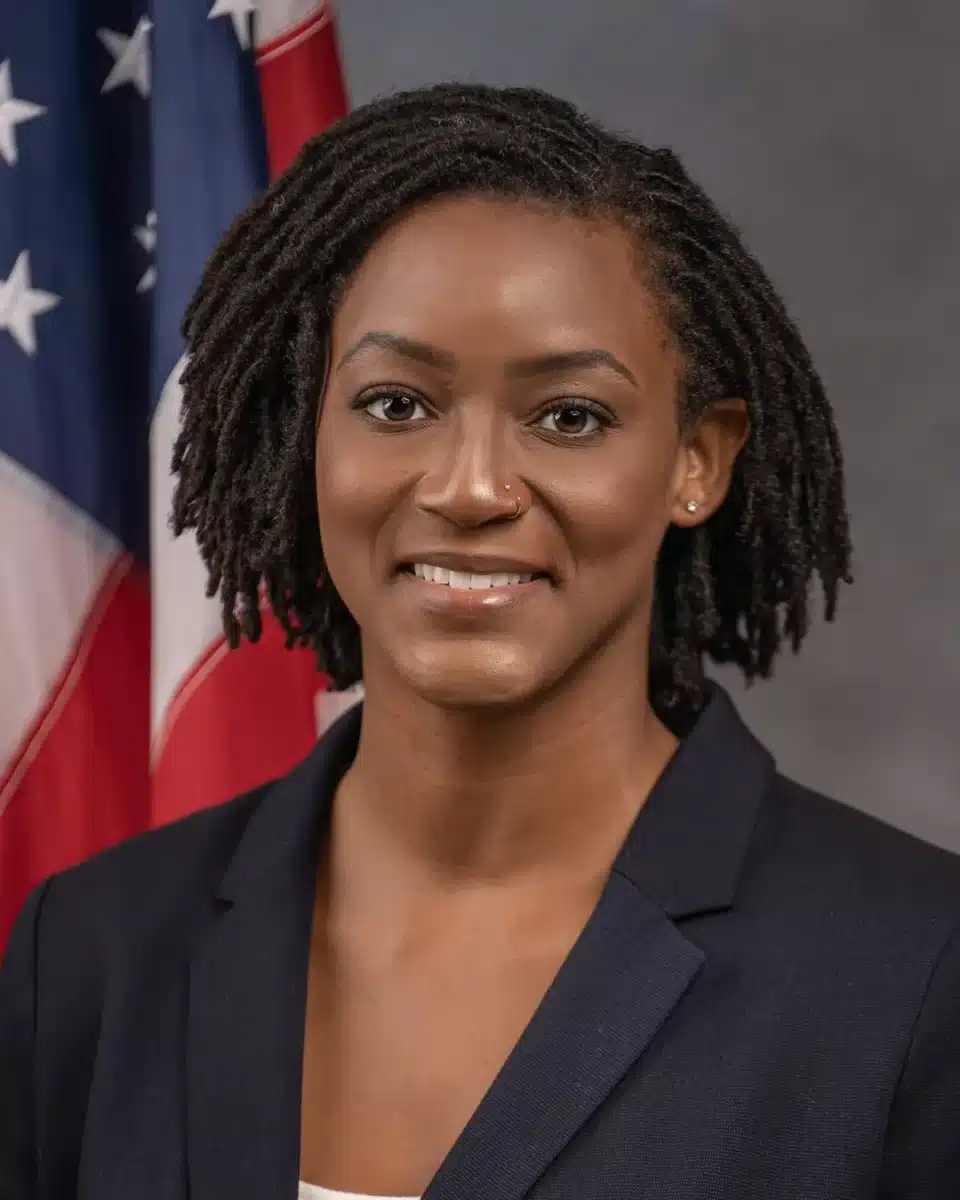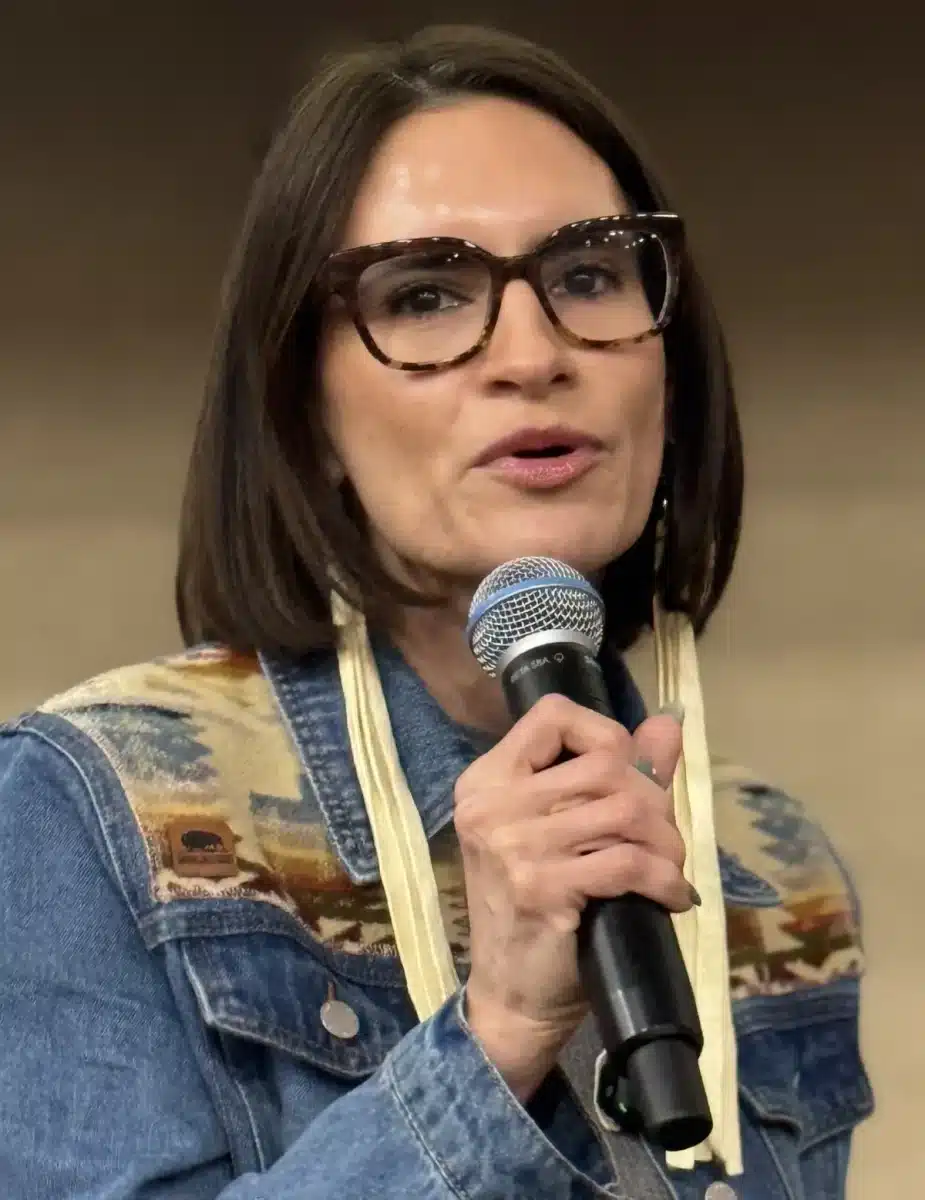
Minnesota’s Democratic Senate primary tomorrow will pit progressive Lieutenant Governor Peggy Flanagan against centrist U.S. Representative Angie Craig in a closely watched race to succeed retiring Senator Tina Smith. The contest between Flanagan and Craig represents the latest ideological test for Democrats, following similar progressive-versus-moderate clashes in recent primaries across the Midwest.
Flanagan, who has served as Minnesota’s lieutenant governor since 2019, secured the endorsement of the state’s Democratic-Farmer-Labor Party in May and has led in recent polling. One late-July poll showed Flanagan leading Craig 46 percent to 32 percent among likely Democratic primary voters, a 14-point margin. More recent surveys have shown her advantage widening to 11 to 13 points, though Senator Bernie Sanders predicted on August 10 that the race would remain tight.
Immigration has emerged as the defining issue separating the two candidates. Craig was the only Minnesota Democrat to vote for the Laken Riley Act, a 2025 bill that expanded federal immigration enforcement powers. Flanagan has made Craig’s vote a centerpiece of her campaign, calling it “disqualifying” and repeatedly highlighting that Craig “was the only Minnesota Democrat to vote for the Laken Riley Act.” Craig later said she regretted the vote, but Flanagan has continued to use the issue to draw a sharp contrast with voters.

The candidates also differ on healthcare. Both support a path to universal healthcare coverage, but Craig, who worked for years in the healthcare industry, favors a public option that would allow a government-run health insurance plan to compete with private insurers. Flanagan has taken a different approach, emphasizing her long-term effort to pass paid family and medical leave in Minnesota as evidence of her commitment to working families.
Craig represents Minnesota’s 3rd Congressional District, a purple suburban area, and has built her campaign on a message of moderation and unity. Flanagan, by contrast, has positioned herself as a progressive fighter, refusing corporate PAC money and leaning into her identity as a member of the White Earth Ojibwe nation. If Flanagan wins the primary, she could become the first Native American woman to represent Minnesota in the U.S. Senate.
Outside spending has fueled the race, with groups supporting Craig spending significantly more than those backing Flanagan. However, Flanagan has weathered the outside spending and maintained her lead, much as Senator Tina Smith did when facing similar spending against her in past races. The primary winner will face Republican nominee Michele Tafoya in the November general election.

Sources
- Ballotpedia — Confirmed six Democratic candidates running in the August 11 primary, including Flanagan and Craig.
- Native News Online — Reported Flanagan’s 46-32 polling lead from late July and her DFL endorsement in May.
- The Hill — Reported Bernie Sanders’ prediction of a tight Minnesota Democratic primary on August 10.
- PBS NewsHour — Detailed the immigration debate and Craig’s Laken Riley Act vote as a central campaign issue.
- Star Tribune — Covered the policy differences on healthcare, immigration, and campaign finance between the candidates.
- MPR News — Reported on the July 27 debate where candidates sparred over immigration, healthcare, and fraud.
- The New York Times — Described Flanagan as a progressive lieutenant governor and Craig as a moderate representative in a competitive primary.
- MinnPost — Reported on outside spending fueling the race and Flanagan’s resilience despite the spending against her.