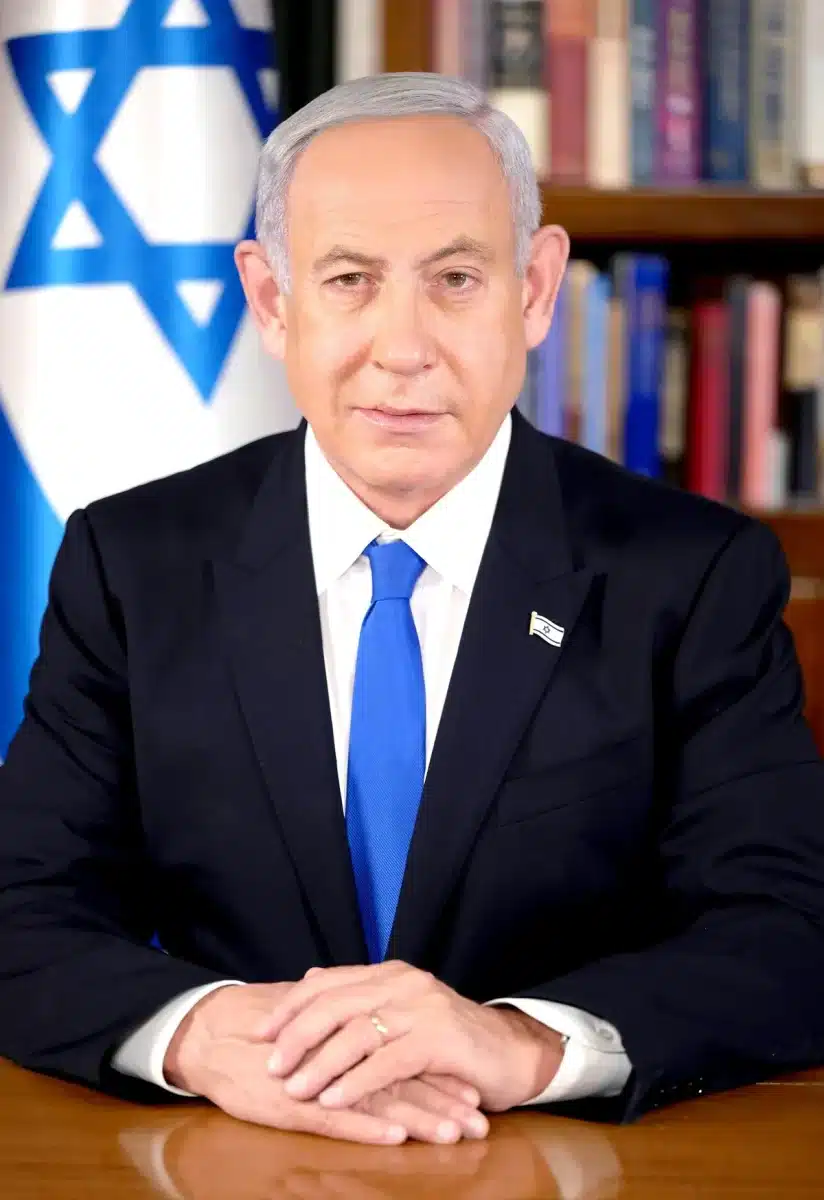
Israeli Prime Minister Benjamin Netanyahu rejected President Donald Trump’s 15-point Gaza peace plan on Sunday, insisting that Israeli forces will not withdraw from the territory until Hamas is “genuinely” disarmed, in a rare public break with his closest ally over Middle East policy.
“Israel does not accept the 15-point document,” Netanyahu said at a cabinet meeting, referring to the plan announced by Trump’s Board of Peace in late July. “The IDF will not carry out any withdrawal until Hamas is genuinely disarmed and will continue to thwart threats against our forces and our citizens.”
Trump’s Board of Peace, created and led by the president, announced on July 31 that it had reached an agreement with Hamas for the “complete disarmament” of the group and other armed factions in Gaza. The accord was presented as a major milestone in the implementation of Trump’s 20-point Gaza peace plan, unveiled in September 2025. According to the agreement, Israeli forces would withdraw from Gaza “as disarmament is completed,” and a new Palestinian government would take control of the territory, supported by an International Stabilization Force.
Hamas, however, made clear the deal was conditional: the group said it would disarm only if Israel simultaneously ended “all forms of aggression” and withdrew its forces from Gaza. A senior Hamas official told the BBC after the plan’s announcement that the group reaffirmed its commitment to the agreement and was ready “to engage seriously and responsibly in implementing” the 15-point plan.

Netanyahu’s rejection signals another setback for Trump’s Gaza initiative, which has faced repeated obstacles since its introduction. The Israeli leader’s position reflects pressure from his right-wing coalition partners, particularly National Security Minister Itamar Ben Gvir, who dismissed the draft plan as “not acceptable” and insisted that military operations in Gaza must continue. Far-right members of Netanyahu’s coalition have called for a new cabinet vote to formally reject the plan, citing concerns that it does not demand sufficient guarantees of Hamas’s genuine disarmament.
Netanyahu said he was in discussions with US officials about how to proceed. “They have ideas; some of them are acceptable to us and some are not, and we know how to stand our ground on these matters,” he said. A senior US official responded that the United States was “very confident” Israel would adhere to the 20-point plan that it had initially agreed to, and that Trump would be “very disappointed” if Israel declined to withdraw once Hamas had disarmed.
Nickolay Mladenov, the Board of Peace’s high representative for Gaza and the senior diplomat tasked with implementing the plan, defended the agreement in remarks to Israeli media on Sunday. He said the plan was “the only way forward” to prevent a repeat of the October 7, 2023 Hamas attack on Israel that killed about 1,200 people. Mladenov emphasized that the agreement was built on verification at each stage and that Israel would not be required to withdraw until it could confirm that Hamas was taking concrete steps to disarm.

Israel initially agreed to Trump’s 20-point plan when it was announced, but has remained deeply skeptical of Hamas’s willingness to follow through on disarmament commitments. Netanyahu’s statement comes just over a week after Trump announced what he called a “monumental step toward lasting peace and security” — the first time Hamas had publicly agreed to disarm, contingent on Israeli withdrawal. The timing of Netanyahu’s rejection, combined with pressure from his coalition’s far-right members, underscores the difficult political position the Israeli leader faces as he balances his alliance with Trump against demands from his government partners to take an uncompromising stance on Gaza.
Sources
- BBC News — Netanyahu’s statement rejecting the 15-point plan, his position on disarmament and withdrawal, and Ben Gvir’s dismissal of the draft
- Washington Post — Netanyahu’s rejection of the plan and the broader context of Trump’s Gaza initiative
- Reuters — Netanyahu’s statement at the cabinet meeting and the plan’s details
- Al Jazeera — Hamas’s conditional agreement and Netanyahu’s stance on withdrawal