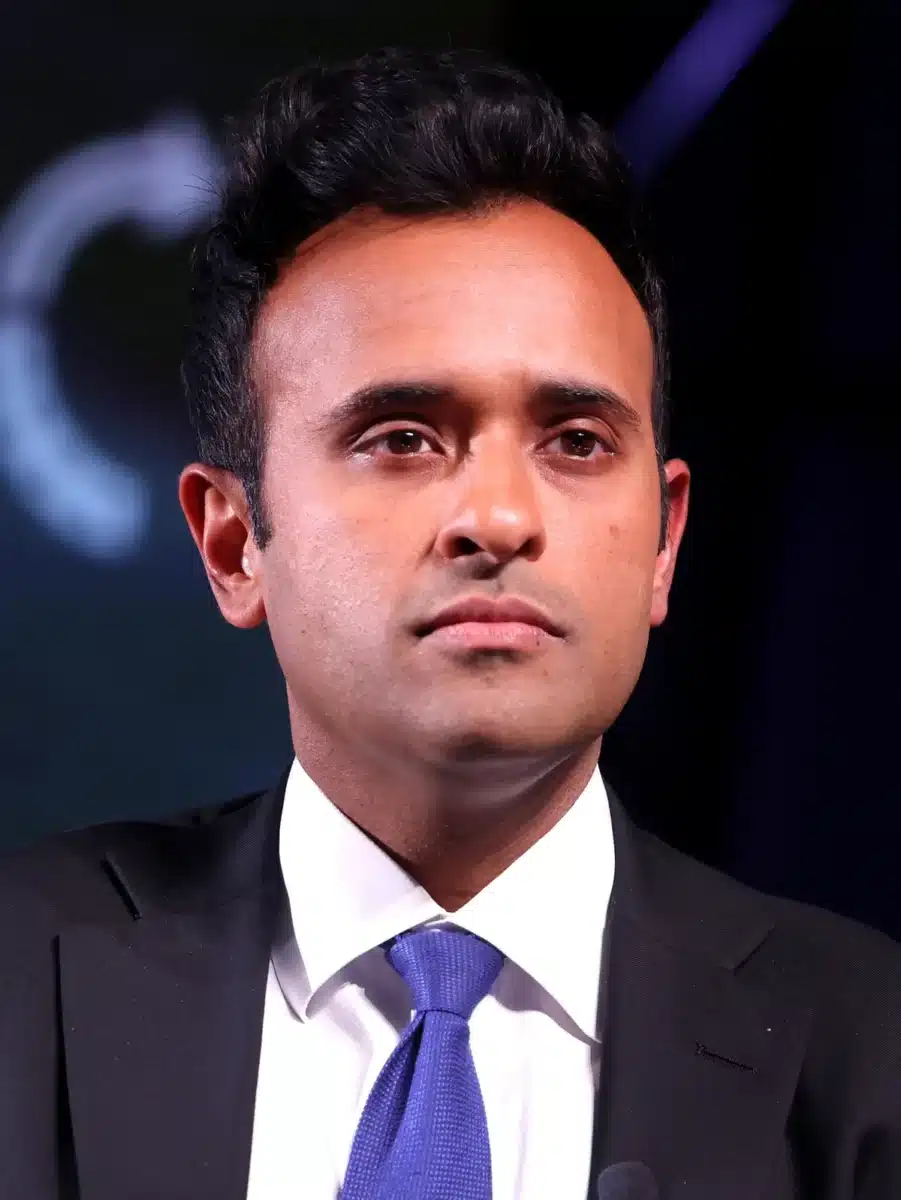
Treasury Secretary Scott Bessent declared the K-shaped economy “over” in a CNBC interview this week, arguing that lower-income Americans are finally closing the gap with wealthier households—but economists and wage data tell a more complicated story.
Bessent said on “Squawk Box” that he was “sick of hearing about this K-shaped economy” and pointed to recent wage data to support his claim. The 25th percentile of earners—those in the lower income bracket—saw weekly earnings rise 5.5 percent year-over-year in the second quarter of 2026, compared with just 1.5 percent for those at the 75th percentile, according to Bureau of Labor Statistics figures he cited.
The K-shaped economy has become shorthand for the widening economic divide between higher- and lower-income Americans. The letter describes a bifurcated recovery where the upper branch—wealthier households—continues climbing while the lower branch stagnates or falls. Bessent argues that pattern has shifted and now describes a “C-shaped economy” where wage earners at the bottom are finally “clawing it back.”

Yet Bessent’s wage figures don’t account for inflation’s bite. Consumer prices rose 3.9 percent over the same period, eroding the real purchasing power of those nominal wage gains. That context matters for households already struggling with rising housing, food, and energy costs.
Moody’s Analytics Chief Economist Mark Zandi recently pushed back on the Treasury Secretary’s optimism, declaring the K-shaped economy “firmly intact.” Zandi pointed to Federal Reserve data showing households earning $200,000 or more grew their spending 6.5 percent in the year through the first quarter of 2026, while the bottom 80 percent spent the same as the year before after adjusting for inflation—higher prices, same dollars.
The Federal Reserve Bank of Atlanta’s Wage Growth Tracker, which measures 12-month wage growth by income quartile, shows the bottom 25 percent of earners at 3.6 percent wage growth as of June 2026, compared with 3.9 percent for the top quartile. At no point in 2026 has bottom-quartile wage growth actually exceeded the top, according to the tracker.

Mark Matthews, chief economist at the National Retail Federation, offered a more nuanced view. He noted that while the K-shape persists, lower-income consumers have increased their spending compared to last year, with discretionary spending outpacing staple purchases among six of the bottom eight spending deciles. But Matthews cautioned that “softening wage growth” coupled with “sticky inflation” means the second half of 2026 may not be as rosy as the first.
Bessent also cited the One Big Beautiful Bill Act, the tax package that introduced temporary tax deductions for overtime and seniors on Social Security, as evidence of relief reaching lower-income workers. However, Goldman Sachs and Morgan Stanley both estimated that the Iran conflict’s impact on fuel prices has wiped out most or all of the promised tax windfall for lower earners before it reaches their wallets.
Sources
- The Hill — Bessent’s CNBC statement, wage data comparison, and economist commentary from Mark Zandi and Mark Matthews
- TheStreet — Detailed analysis of Bessent’s claims, Federal Reserve wage tracker data, Moody’s spending figures, and criticism from multiple economists
- NPR — Definition and context of K-shaped economy