Uber says a software error briefly caused some drivers to receive duplicate ride offers through its Trip Radar feature—with the second, follow-up offers sometimes paying less than the first. That mismatch, acknowledged by Uber’s product chief this month, has prompted a rapid fix because even small shortfalls can add up across millions of daily trips.
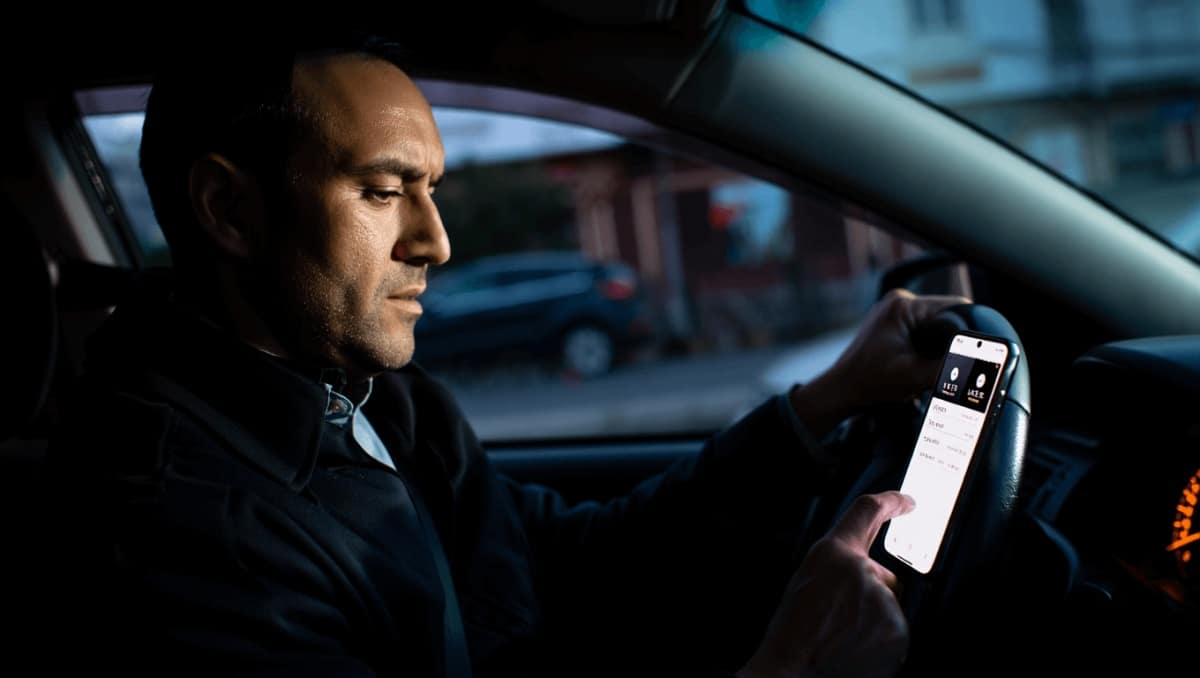
Trip Radar, the company feature that auctions the same request to several nearby drivers as they finish other rides, is designed to speed pickups and reduce idle time. Drivers report a recent pattern: they tap to accept an offer, the app shows the trip was taken, and moments later it pushes an exclusive, lower-paying version of the same run to the same driver.
What drivers reported
- Several drivers in the past month received repeat offers for the same route with reduced payouts.
- Examples shared publicly show reductions of a dollar or several dollars on single trips.
- Not every Trip Radar offer was affected; drivers say the second offer never raised a payout above the original.
Two publicly posted examples illustrate the problem: one driver saw an initial offer of about $12.53 for a nearly six-mile ride that later reappeared at roughly $11.60; another accepted a $11.45 offer for a 5.5-mile trip and then received the same route for $8.84 after the first attempt showed as unavailable.
| Trip length | First offer | Second offer |
|---|---|---|
| ~6 miles | $12.53 | $11.60 |
| 5.5 miles | $11.45 | $8.84 |
How Uber responded
On February 7, Uber’s chief product officer, Sachin Kansal, acknowledged on social media that the company had identified a coding error behind the price changes. An Uber spokesperson confirmed that engineers are rolling out fixes that prevent nearly identical trips from being repriced for the same driver, and that fare offers are being monitored more closely.
The company framed the issue as unintentional—occurring in cases such as when a rider cancels and quickly re-requests the same ride—rather than a deliberate change to payouts.
Why this matters now
Individually, a dollar or two may look minor. But for drivers who operate on thin margins, repeated small reductions can shave meaningful sums from weekly earnings, especially as many report lower average pay in recent years.
Experts and driver advocates say the timing of the acknowledgement is notable: executives rarely respond publicly to individual driver complaints, and a visible admission can affect scrutiny from regulators, local advocates, and drivers tracking platform fairness.
What drivers should know
- Trip Radar sends offers to multiple drivers simultaneously—drivers typically have about ten seconds to accept.
- If you see a duplicated offer with a different payout, screenshot the notifications and note timestamps.
- Uber says fixes are being deployed; keep the app updated and report recurring problems through the app’s help channels.
Uber handles millions of rides daily, so even a rare glitch can scale quickly. For now, the company’s public admission and the software patches are the clearest signs that the issue is being treated as a technical bug rather than an intentional pricing change.
Watch for further updates from Uber as fixes complete and monitoring continues; drivers and local enforcement bodies will likely keep close attention to whether reported discrepancies stop entirely or persist at a lower rate.