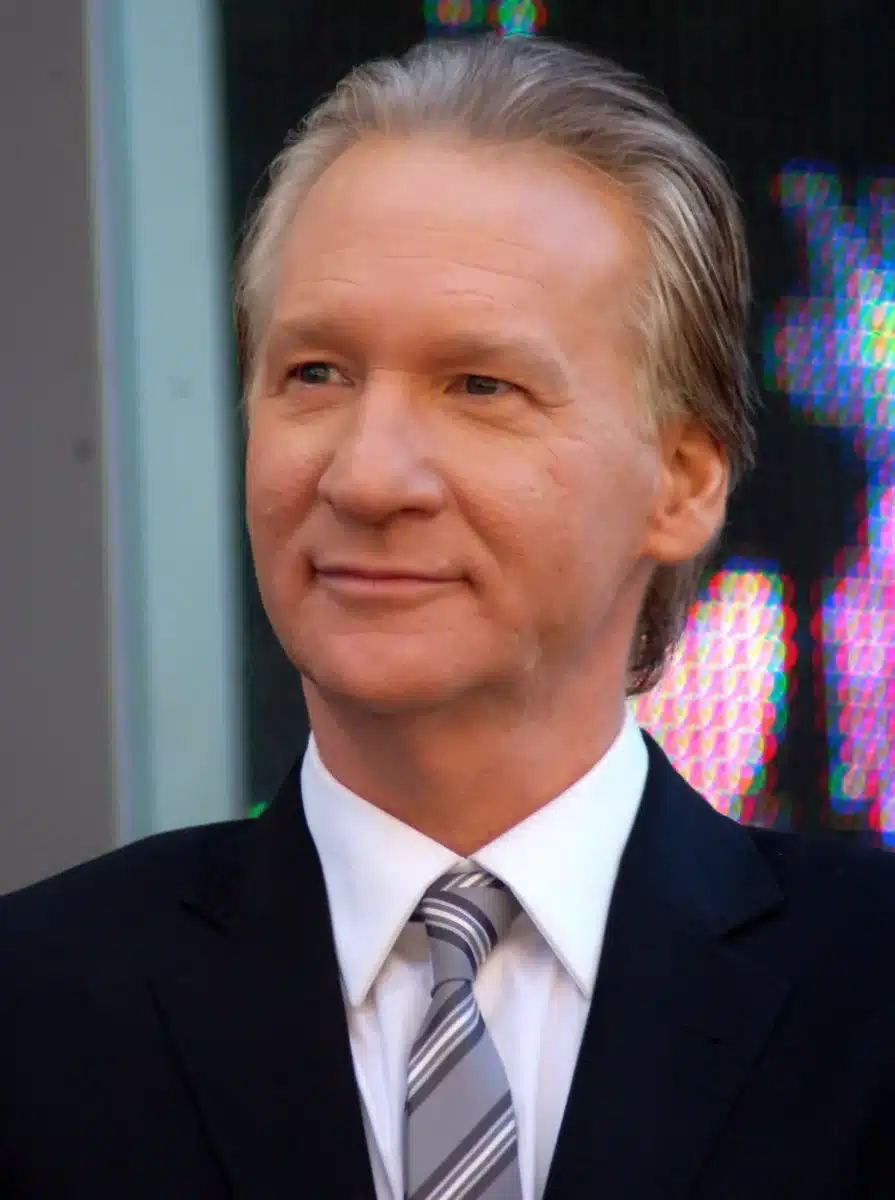
Jim Cramer is calling SpaceX a 100-year investment for the next generation, comparing the company to century-long railroad bonds that rewarded patient investors in the 19th century. On the August 5 episode of CNBC’s “Mad Money,” the host said investors should stop thinking in quarters and start thinking in decades, arguing that SpaceX’s biggest opportunities may take decades to fully materialize.
“SpaceX could be a 100-year piece of paper,” Cramer said, drawing a parallel to the infrastructure bonds that ultimately became foundational to the American economy. “Maybe you put some away for the next generation or even the one after that.”
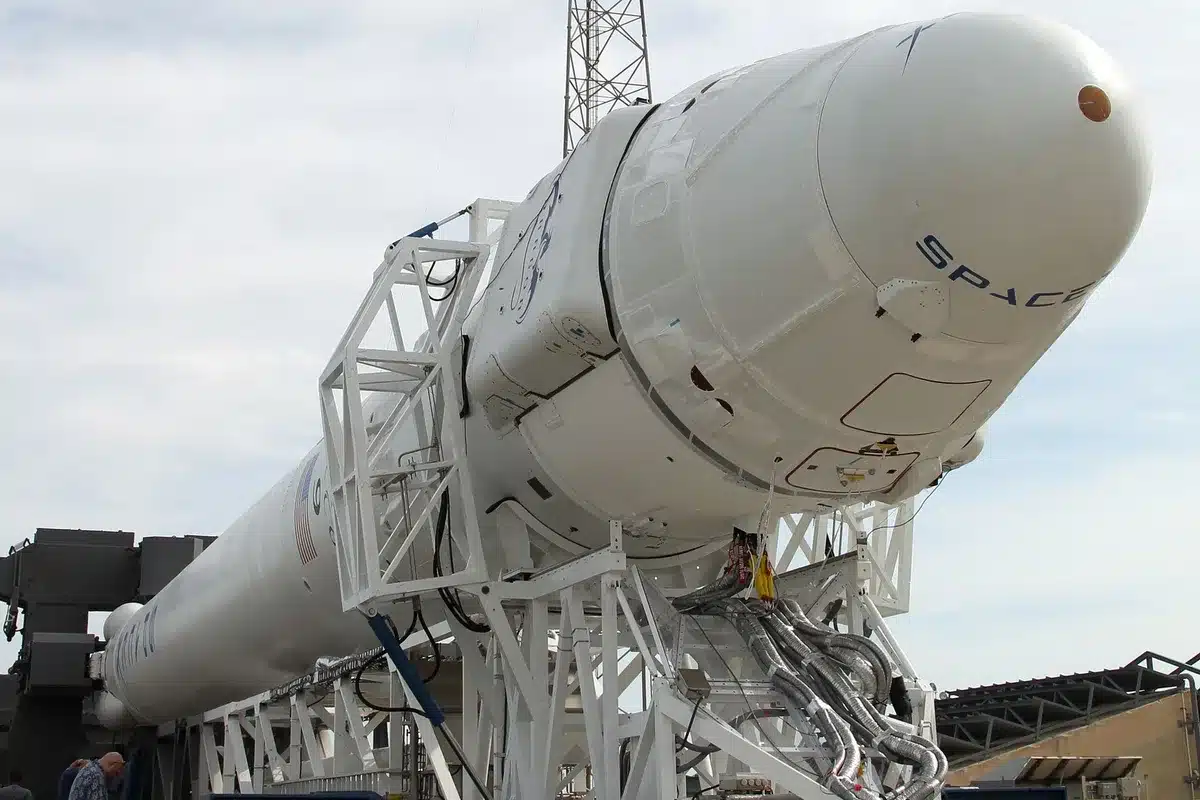
Cramer’s multigenerational thesis rests on SpaceX developing multiple distinct businesses, each with transformative potential. Starlink, already the company’s most profitable segment with 12 million subscribers across more than 160 markets, generated $1.66 billion in operating profit in Q2 2026. The AI compute-leasing business posted $2.56 billion in revenue, up 247% year over year, with major clients including Anthropic and Google paying $1.25 billion and $920 million per month respectively for access to SpaceX’s computing infrastructure. Cramer also points to Starship, the fully reusable rocket program designed to dramatically reduce launch costs, and the more speculative prospect of orbital data centers powered by constant solar energy.
The investment thesis depends critically on Elon Musk’s ability to execute and raise capital. “I would never recommend SpaceX if Musk weren’t involved,” Cramer said. “I’m confident that Musk can raise all of the money he needs.” That confidence matters because SpaceX’s ambitions require enormous capital expenditures—Q2 capex hit $18.4 billion, with $15.83 billion directed to AI infrastructure alone.
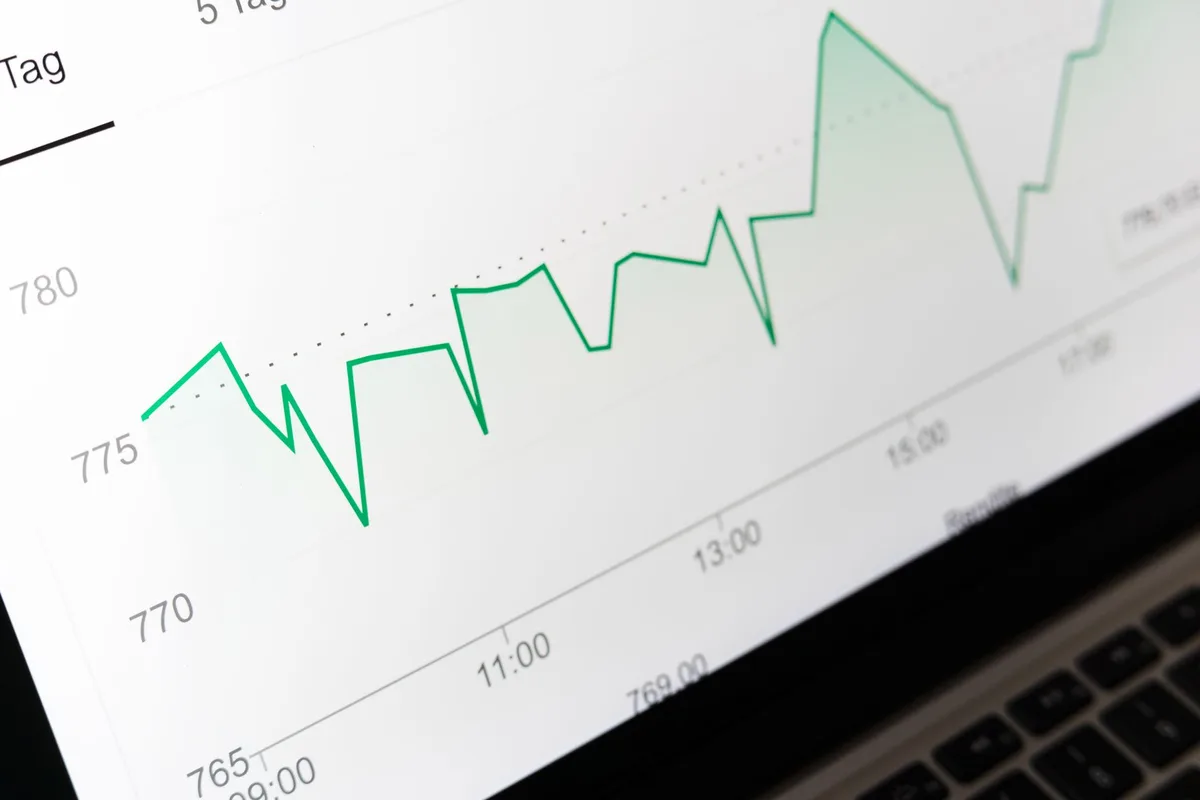
The timing of Cramer’s long-term call is notable given near-term headwinds. SpaceX shares fell 13.61% on August 5 as Wall Street digested the company’s first earnings report since its historic June IPO, unnerved by capex running more than $5 billion above consensus estimates. The stock has now declined for five consecutive weeks. Cramer acknowledged additional pressure from the August 6 IPO lockup expiration, which freed 911.5 million previously locked-up shares for trading, effectively doubling the public float and introducing roughly $100 billion in new tradable stock in a single day.
Yet Cramer separated the long-term thesis from the short-term entry point. He had warned investors in late July to hold off on building large positions until after the lockup expired, citing the supply pressure from newly eligible shares. His message: believing SpaceX is a generational investment does not mean paying any price at any time to own it. The railroad bond analogy is deliberate—those bonds funded infrastructure that took decades to pay off but ultimately became foundational to the American economy. Cramer is making the same argument for SpaceX: that the company is building infrastructure for markets that barely exist today but could define the economy of the next generation.
Not all Wall Street observers share Cramer’s century-long horizon. George Noble, a veteran investor and former Peter Lynch associate, holds a $30 fair-value estimate on SpaceX, implying 72% downside from current trading levels. His argument centers on the “Elon Musk premium” embedded in the stock’s valuation potentially becoming a discount if the capital-intensive strategy falls short. The AI segment, despite 247% revenue growth, posted an operating loss of roughly $1.3 billion in Q2, and management guided for similar spending levels in Q3 and Q4. Free cash flow remains negative. Not every 100-year railroad bond paid off—some railroads went bankrupt—and SpaceX’s orbital infrastructure and AI leasing could disappoint or take far longer to monetize than expected.
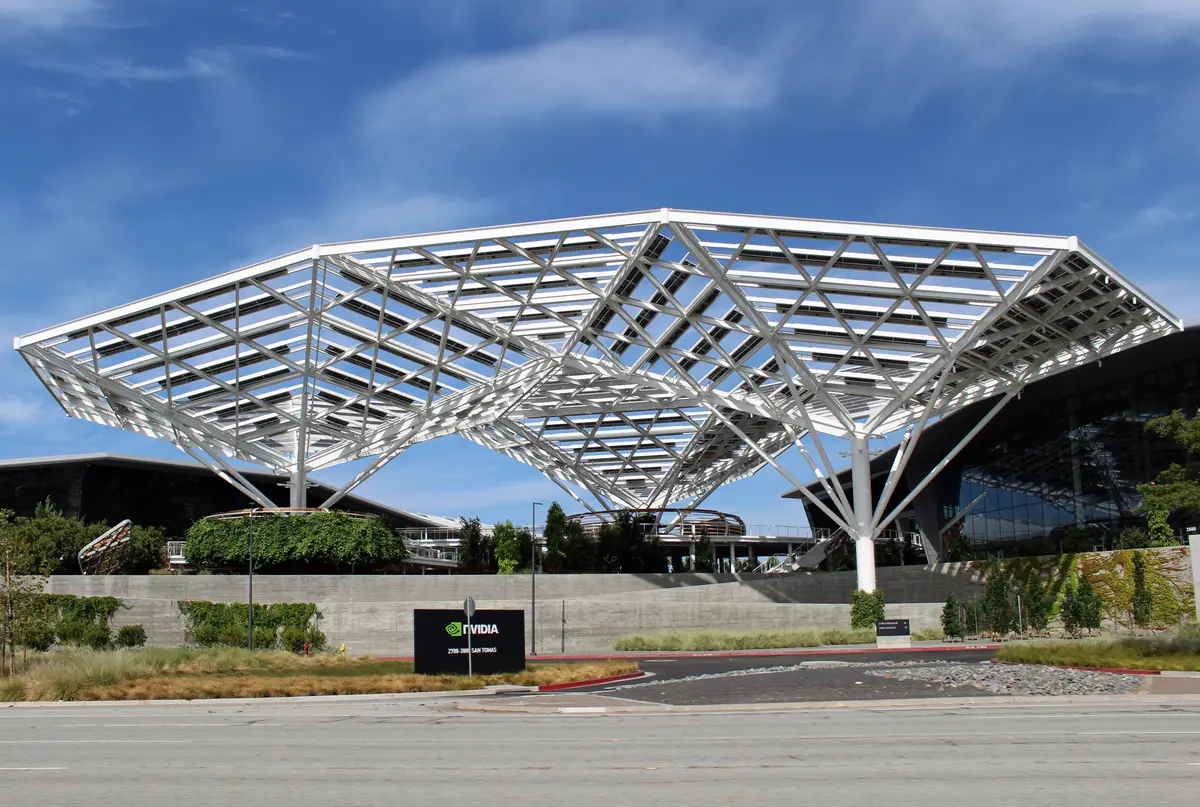
For investors who accept Cramer’s framing, the current weakness and capex concerns could look different: not necessarily a reason to buy immediately, but potentially a reason not to dismiss the stock entirely based on one quarter’s results. SpaceX stock neared $100 as the lockup expired, unlocking 900 million shares for trading. NVIDIA gained as SpaceX picked it for exclusive AI infrastructure, underscoring the scale of the company’s compute ambitions. The question of whether SpaceX builds something that justifies the spending probably does not get answered this quarter or next year—it may take a generation to find out who was right.
Sources
- CNBC — Jim Cramer’s August 5 commentary on SpaceX as a multigenerational investment, Musk’s capital-raising ability, and SpaceX’s multiple business opportunities including Starlink and AI compute
- TheStreet — Cramer’s railroad bond comparison, SpaceX’s Q2 earnings details (capex, AI revenue and losses, Starlink operating profit), the IPO lockup expiration details, and George Noble’s bear case valuation