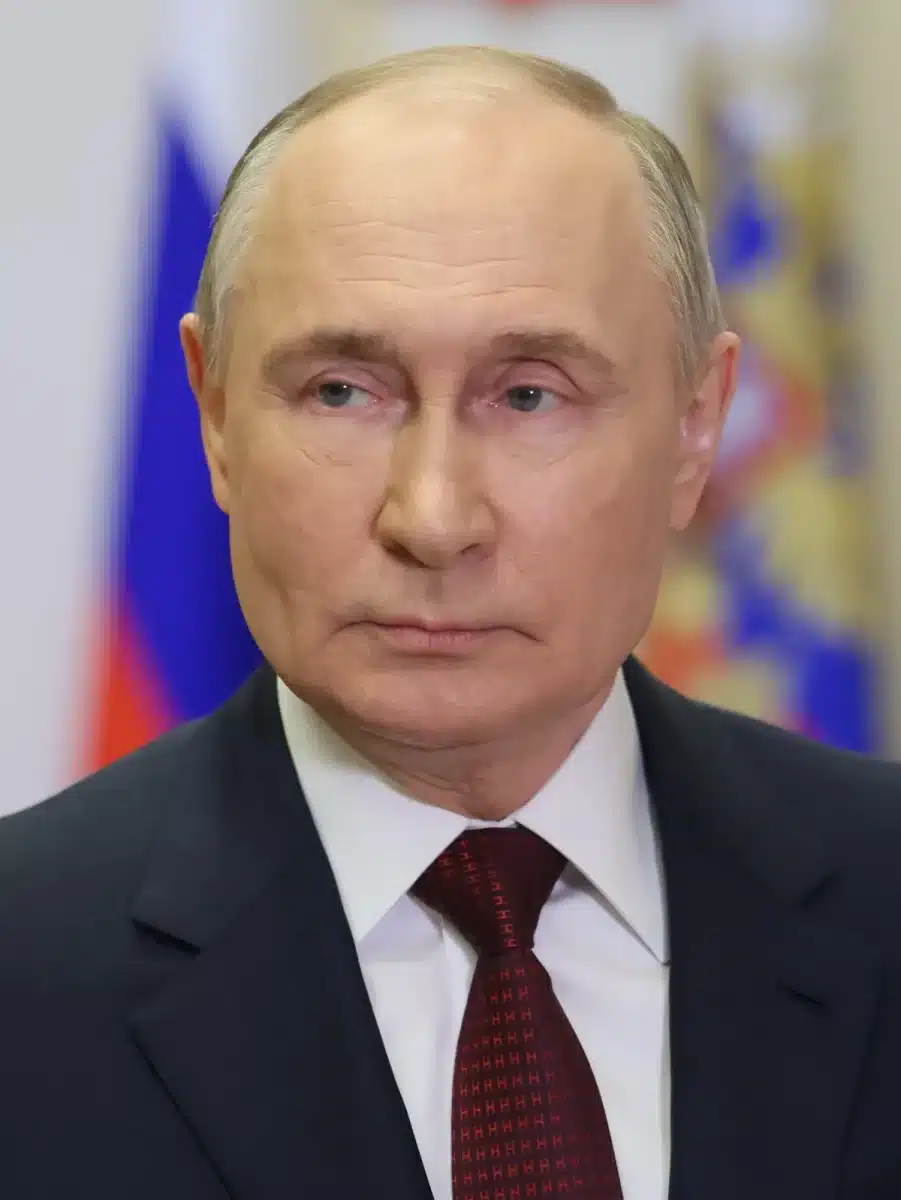
U.S. intelligence officials have concluded that Russian President Vladimir Putin could launch a limited military attack on a NATO member state within weeks to test the alliance’s resolve, marking a significant shift in American threat assessments that previously held such action to be unlikely while Russia remained focused on Ukraine.
The reassessment, reported by the Wall Street Journal on August 7, estimates the potential attack could occur between this fall and 2029, according to officials briefed on the intelligence. Putin’s goal would be to challenge NATO’s credibility and fracture the 77-year-old alliance by probing whether the United States would honor its Article 5 collective defense commitment.
The possible forms of attack range widely: cyber operations, sabotage, drone or missile strikes, unmarked ground incursions on NATO’s eastern flank, or false-flag operations designed to sow discord among alliance members. While a full-scale ground invasion remains assessed as unlikely due to the risk of triggering Article 5, intelligence reports indicate that risk increases over time as Russian military capacity rebuilds.

The intelligence shift reflects Putin’s mounting desperation in Ukraine. Russia has suffered heavy casualties, faced increasing drone attacks on its oil infrastructure from Kyiv, and failed to secure a decisive victory despite years of fighting. This pressure at home has apparently convinced Putin that testing NATO’s resolve—even while still entangled in Ukraine—could yield strategic advantage by dividing Western support for Kyiv.
Russia has already demonstrated willingness to probe NATO boundaries. A Russian cruise missile struck a field near the Polish village of Tarnawa-Kolonia in July, creating a 10-meter crater roughly 60 miles from the Ukraine border. Earlier, an explosive-laden drone carrying Semtex was discovered at Leipzig/Halle airport in eastern Germany, positioned near a Ukrainian cargo plane. Lithuanian intelligence warned in early August that Moscow was preparing to use captured Ukrainian drones to launch false-flag attacks against the Baltic states, potentially to divide Europe and weaken support for Kyiv.
Heather Conley, senior fellow at the American Enterprise Institute, told the Wall Street Journal that the credibility of NATO itself hangs in the balance. “The question mark is how the United States would respond in that case,” she said, noting that challenging NATO’s commitment to its members “has always been a goal of Russia’s to separate the United States from its allies.”
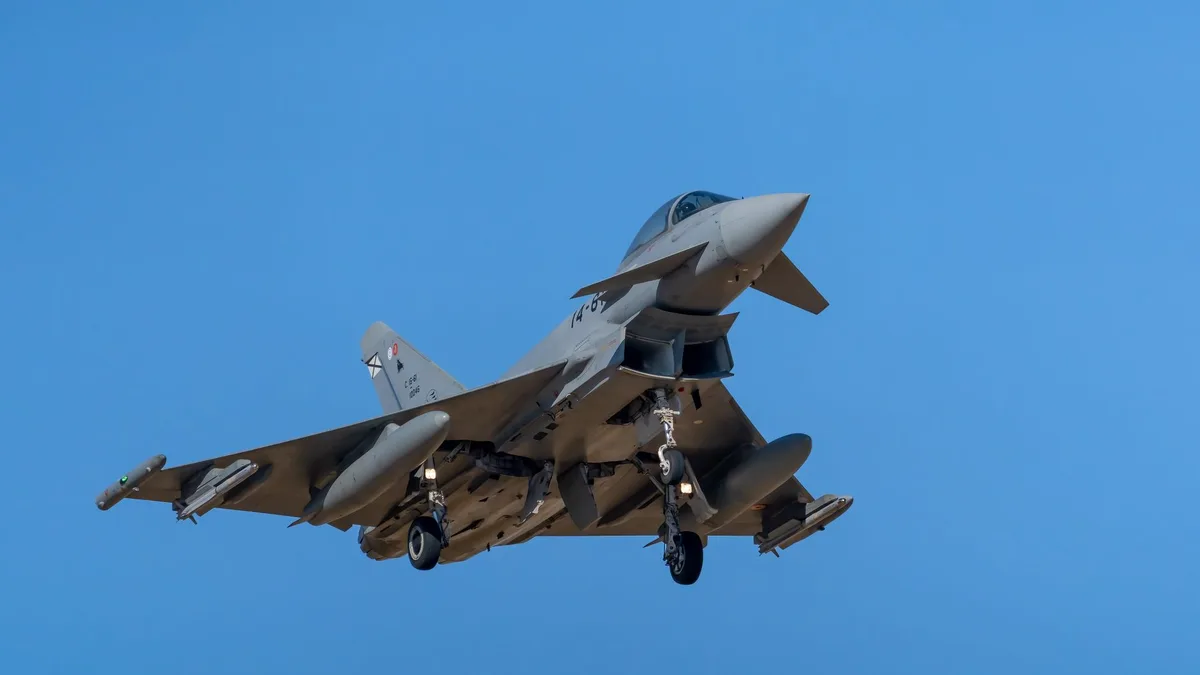
The timing of the warning also coincides with a separate vulnerability: U.S. military stockpiles are severely depleted. The Pentagon has drawn down supplies of long-range Precision Strike Missiles, Army Tactical Missile Systems, and Stinger surface-to-air missiles while arming Ukraine and conducting operations against Iran, according to officials. This shortage raises questions about America’s capacity to respond swiftly to a Russian provocation while managing simultaneous global commitments.
NATO’s response has been measured. Colonel Martin O’Donnell, a NATO spokesman, said the alliance was “ready to deter and defend as necessary,” adding that NATO was “always thinking through and preparing for any number of scenarios.” The alliance has stepped up defensive exercises in Eastern Europe and reinforced intelligence sharing with Poland and the three Baltic states, which bear the greatest risk under the new assessment.
The intelligence community’s previous stance—that Putin would avoid provoking NATO while fighting Ukraine—held until earlier this year. The reassessment represents the most concrete formal warning yet that direct Russia-NATO military friction could emerge in the near term, reshaping defense planning and alliance cohesion at a critical moment.
Sources
- Wall Street Journal — U.S. intelligence assessment that Putin could test NATO with limited incursion between now and 2029
- New York Post — Details on timing (fall 2026 onward), attack types, munitions shortages, and Heather Conley’s analysis
- Telegraph — Recent Russian provocations (Poland missile strike, German drone discovery, Lithuanian threats), NATO response, and false-flag concerns
- Yahoo News / Reuters — Core reporting on the U.S. intelligence warning and NATO’s stated readiness