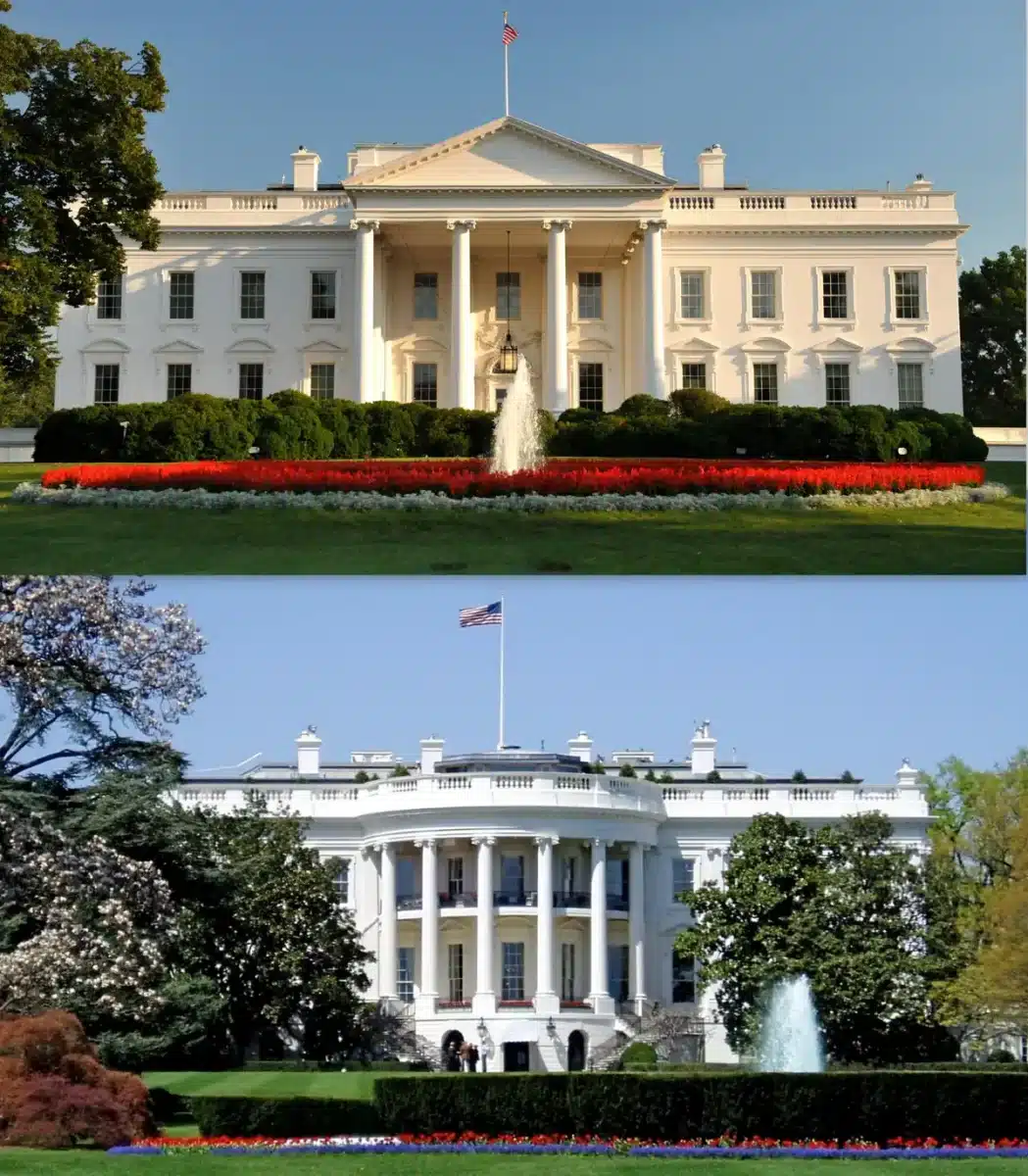
A federal appeals court on Friday ordered the Trump administration to halt construction of a $400 million White House ballroom, ruling in a 2-1 decision that the president lacks unilateral authority to proceed without congressional approval. The three-judge panel of the U.S. Court of Appeals for the District of Columbia Circuit upheld a preliminary injunction issued by a lower-court judge in April, dealing another setback to the controversial project that has been mired in legal challenges since the administration demolished the historic East Wing in late 2025.
Judges Patricia Millet and Bradley Garcia, writing for the majority, stated that the White House is not a personal asset. “Each President is a temporary tenant, not the owner, of the White House and its Executive Residence,” they wrote, according to The Guardian. The judges added: “Whether or not a massive ballroom should be constructed is for Congress to decide and is not a matter for Executive self-help.”
The ruling upholds an earlier decision by U.S. District Judge Richard Leon, who blocked above-ground construction in March 2026 while permitting only underground work deemed necessary for national security. The appeals court reasoned that Congress has not granted the president unfettered authority to reshape the White House. “Congress has not ceded unfettered authority to the Executive Branch to dramatically redesign, reshape, and reconstruct the White House — the People’s House — to fit a particular President’s desires,” the panel stated, according to the BBC.
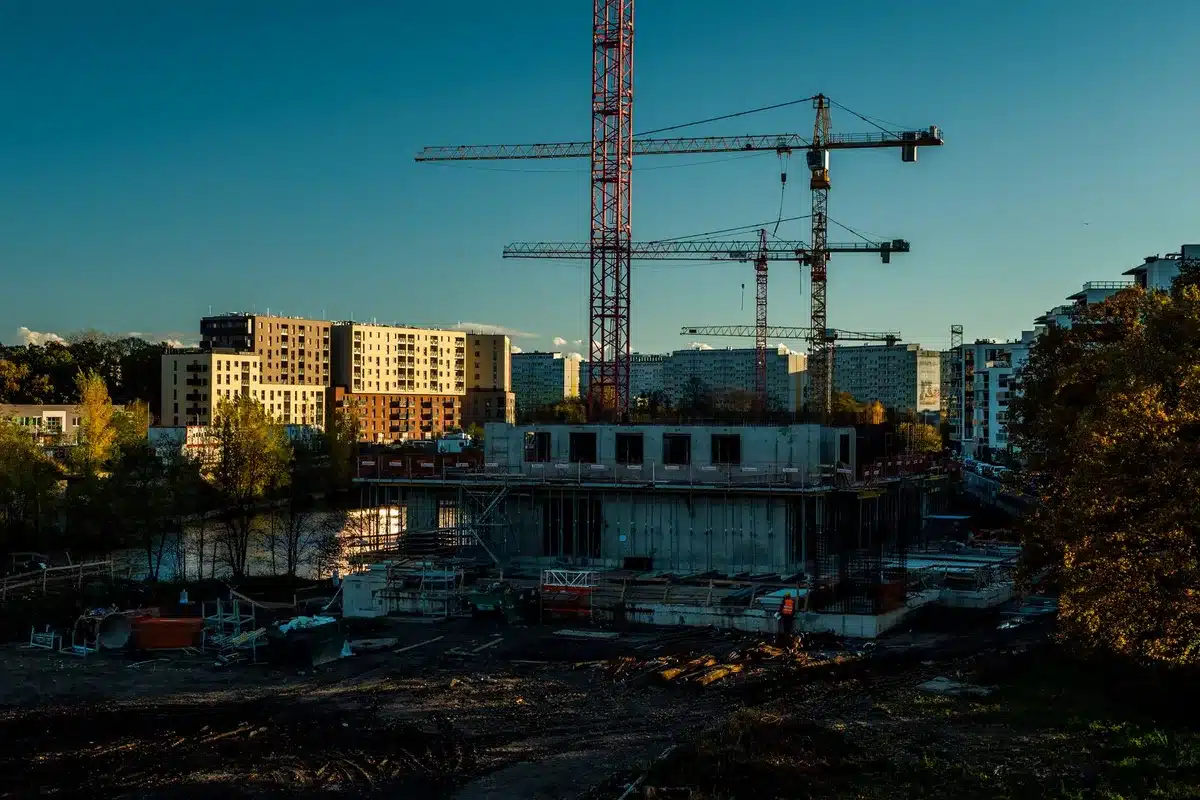
The National Trust for Historic Preservation, a Washington-based nonprofit, filed the original lawsuit in December 2025 after the administration tore down the East Wing and began work on the 90,000-square-foot ballroom without seeking congressional authorization. The trust argued that the project violated federal law requiring environmental review and coordination with Congress on major White House changes.
The appeals court did not rule out the possibility that Congress could ultimately authorize the ballroom. “This holding has nothing at all to do with whether the proposed ballroom is desirable, or not, as a matter of policy,” the judges wrote. “What it does mean is that the Defendants may not do so during the district court’s expeditious litigation without securing Congress’s authorization, as the constitution and laws require.”
Trump has repeatedly justified the ballroom as necessary for entertaining guests during state visits and has also claimed it is vital for national security, citing the need for secure event space. A third judge on the panel, Neomi Rao, who was appointed by Trump, dissented and sided with the administration’s assertion that the ballroom project was within presidential authority.
The appeals court delayed implementation of its ruling for 14 days, giving the Trump administration a window to appeal the decision to the U.S. Supreme Court. This is not the first time the case has bounced through the courts. In April 2026, an appeals court panel temporarily allowed construction to resume until April 17, but the lower court ultimately reimposed the injunction blocking above-ground work. The case has become a test of presidential authority over federal property and the extent to which Congress retains oversight over major White House modifications.
The legal battle reflects broader questions about the separation of powers. The judges emphasized that even if the administration believes the ballroom serves legitimate purposes, those decisions ultimately rest with Congress. The case now heads toward potential Supreme Court review, which could clarify the constitutional boundaries of executive power over the White House and other federal properties.
Sources
- The Guardian — the appeals court’s majority ruling, judges’ statements on presidential authority and congressional approval, dissent by Judge Neomi Rao
- BBC News — the appeals court’s order, the 14-day stay for Supreme Court appeal, the National Trust for Historic Preservation’s original lawsuit and claims
- NPR — Judge Richard Leon’s April 2026 ruling blocking above-ground construction, the 14-day stay for administration appeal
- NBC News — the appeals court’s 2-1 decision and the 14-day stay allowing Trump administration to appeal to Supreme Court