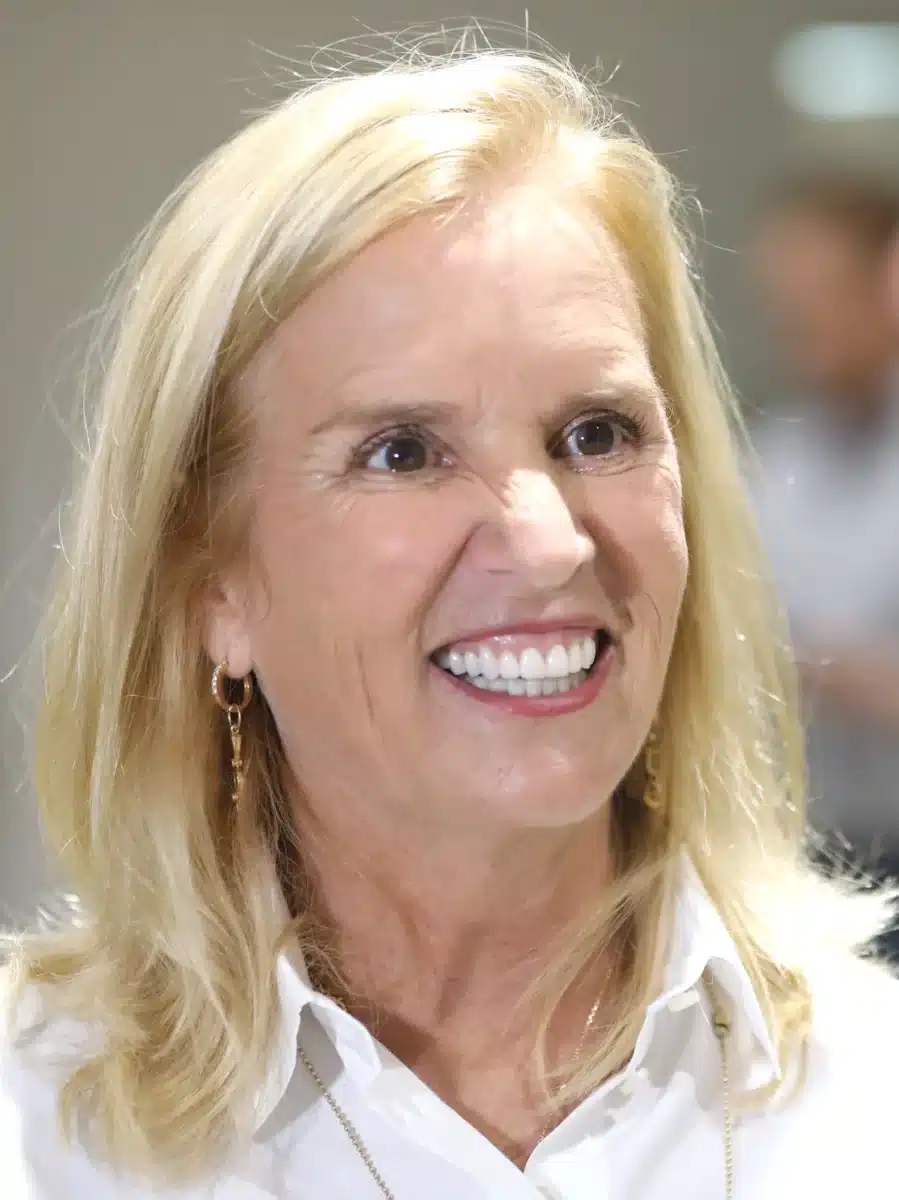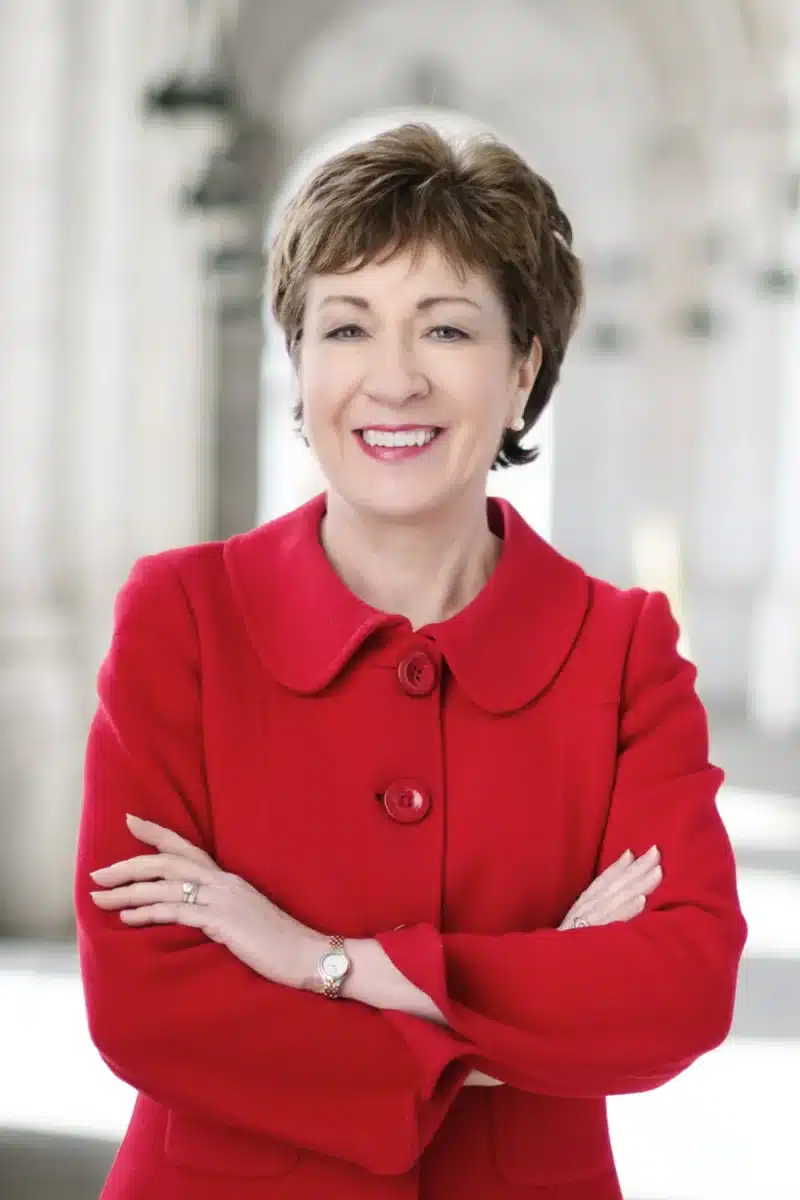
Republican incumbent Susan Collins faces a compressed 100-day sprint to defend her Senate seat against Troy Jackson, a former Maine state Senate president and logger who won the Democratic nomination on July 25 after replacing scandal-plagued Graham Platner.
Jackson secured 566 of 571 delegate votes at a hastily organized special convention in Bangor, marking the 28th time since 1918 that a new candidate replaced a U.S. Senate nominee. Platner, the original Democratic nominee, withdrew earlier in July after facing accusations of sexual assault, which he denies, along with reports of problematic online posts and a tattoo resembling a Nazi symbol.
The fifth-generation logger from Allagash brings a working-class narrative that Democrats believe can energize their base. Jackson launched his political career in 2000 after leading loggers in a 1998 blockade at the Canadian border to protest the use of Canadian woodcutters, a labor dispute that drew national attention. He grew up in a poor rural family—his mother dropped out of high school when pregnant with him—and has built a two-decade career in the state legislature on an anti-establishment, populist platform embracing Medicare for All and higher taxes on the wealthy.

Jackson faces a steep climb in a short window. Recent polling shows the race remains competitive but tight. A University of New Hampshire survey gives Jackson a three-point advantage, though he remains close to the margin of error for likely voters. Another poll from late July shows Jackson leading Collins 49% to 46%, with 5% undecided.
A key challenge for Jackson is consolidating support among Maine’s politically independent voters, particularly the 2020 ticket-splitters who backed Collins for Senate while supporting President Joe Biden for the White House. According to The Guardian’s analysis of 2020 voting patterns, 15% of Maine municipalities voted for both Collins and Biden, compared to 14% that voted for both Collins and Trump. These swing voters remain persuadable, though some express skepticism about Jackson’s outsider credentials given his two decades as a state legislator.
Collins, seeking her sixth term, has built a formidable political machine over 30 years in the Senate. She holds over $11 million in cash on hand, according to her latest disclosures, far outpacing Jackson’s $2 million raised since winning the nomination. Collins has also spent years directing federal funding to Maine as chair of the Senate Appropriations Committee—a record of tangible results that local officials credit with supporting schools, fire departments, and infrastructure across the state.

The race has become a testing ground for competing visions: Jackson’s populist message that Collins serves Trump and wealthy interests versus Collins’ argument that her seniority and moderate record protect Maine’s interests. Jackson has highlighted Collins’ votes to confirm Supreme Court Justice Brett Kavanaugh and support the Trump administration’s $70 billion federal immigration enforcement bill, claiming she voted with Trump 96% of the time. Collins’ campaign has countered that Jackson’s platform would impose unsustainable costs on middle- and low-income Mainers and branded him a “Bernie bro” aligned with Vermont Senator Bernie Sanders, who remains popular in the state.
Republican groups have launched aggressive attacks linking Jackson to Platner’s failed campaign, with the National Republican Senatorial Committee releasing an AI video of Platner morphing into Jackson. Meanwhile, the Senate Leadership Fund, the top Senate GOP Super PAC, has pledged more than $40 million to the race. Jackson’s campaign must build momentum quickly while managing the perception that he lacks Platner’s outsider appeal after finishing third in Maine’s gubernatorial primary just weeks earlier. For Democrats, Maine is central to their effort to pick up the four Senate seats needed to regain control of the chamber in the midterms.
Sources
- The Guardian — Jackson’s nomination, background, race dynamics, polling, and ticket-splitter analysis
- NPR — Jackson’s background, political narrative, campaign strategy, and Collins’ response
- Ballotpedia — Nomination convention details and election date
- Spectrum Local News — Polling data showing virtual tie among likely voters
- RealClear Polling — Latest polling aggregates