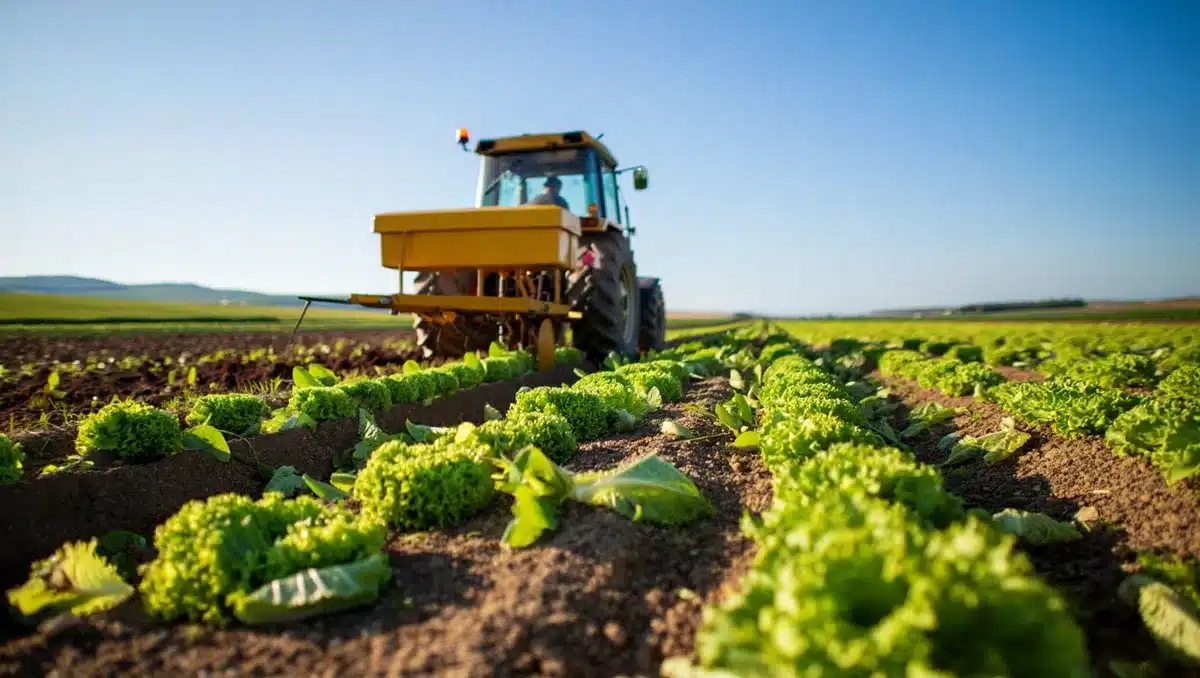
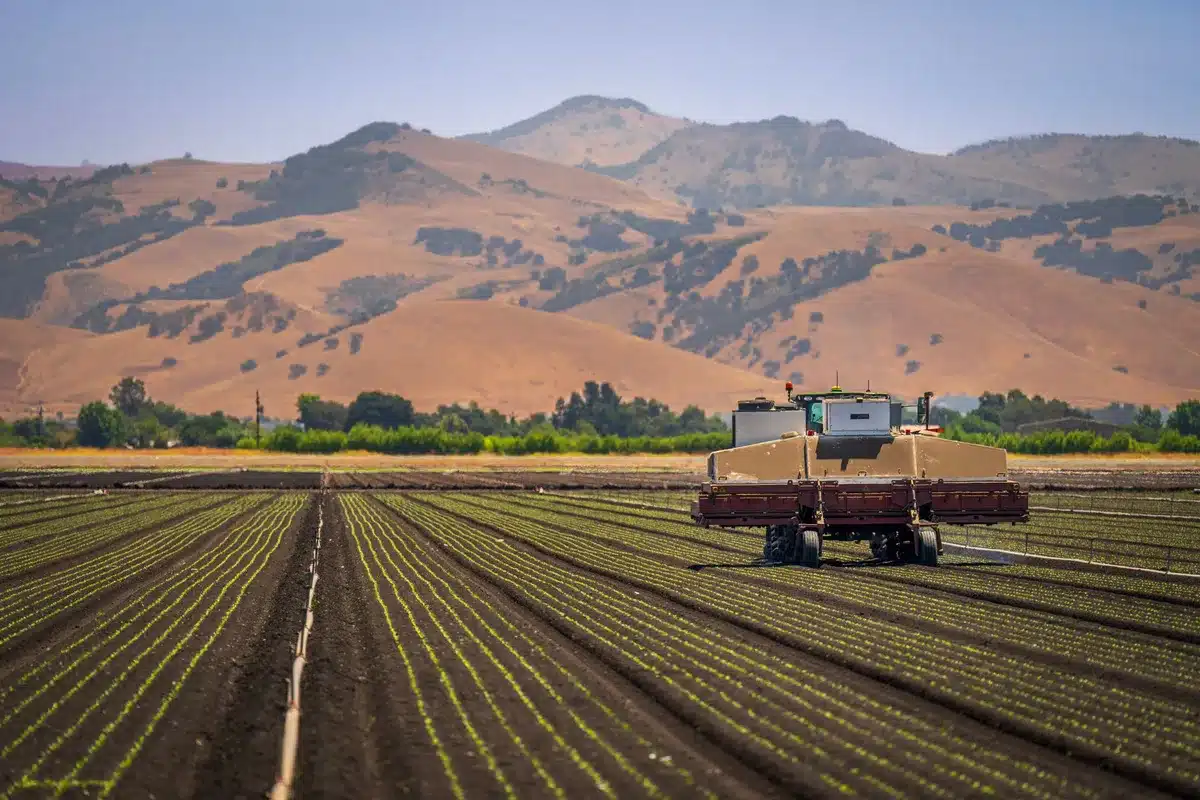
California lettuce growers are destroying crops and skipping harvest as buyers cut orders amid a cyclospora outbreak, despite no evidence that domestic produce is contaminated. Around 300,000 pounds of romaine hearts at Coastline Family Farms in Salinas Valley were chopped and plowed back into the soil this week, according to the Wall Street Journal. The farm supplies leafy greens to major restaurant chains and grocery stores, but customers have reduced orders even though federal health authorities have not linked any U.S.-grown lettuce to the parasite.
The cyclospora outbreak, linked to recalled iceberg lettuce from Taylor Farms sourced from central Mexico, has sickened over 1,900 people across nine states as of late July. The FDA and CDC documented at least 98 hospitalizations and no deaths from the outbreak, which affected Illinois, Indiana, Kansas, Kentucky, Michigan, Ohio, Oklahoma, Pennsylvania, and West Virginia. Taylor Farms voluntarily recalled all iceberg lettuce sourced from central Mexico on July 17, though the company later noted the FDA had determined an initial positive sample was a false positive.
The outbreak represents the most significant cyclosporiasis event in recent years. Since May 1, 2026, the CDC received reports of 1,645 confirmed domestic cases of cyclosporiasis, substantially higher than the 249 cases reported by the same date in 2025. The parasite causes watery diarrhea and can lead to severe complications requiring hospitalization, though most people recover without treatment within a week.
Lettuce has about a 30-day growing cycle, so farmers destroying crops must decide whether to replant or scale back operations. The decision reflects how consumer fear can ripple through supply chains even when scientific evidence does not support the concern. Produce buyers, responding to consumer anxiety, have reduced orders for California-grown lettuce despite the lack of any confirmed contamination in domestic crops.
A Pattern Repeating in California Agriculture
This is not the first time demand collapse has forced Salinas Valley growers to destroy crops. In 2020, when restaurant demand plummeted due to the COVID-19 pandemic, lettuce farmers lost or declined to plant more than 2,000 acres in the region. Fast-food chains in parts of the country were unable to offer lettuce on burgers and sandwiches during that crisis, according to reporting from Monterey County Now. The parallel shows how vulnerable the lettuce market is to shocks—whether from disease, contamination fears, or demand disruption—with growers bearing the financial burden.
The current outbreak has sparked consumer interest in locally-sourced lettuce as an alternative. North Bay farmers reported an uptick in sales at farmers markets, with customers specifically seeking locally-grown produce to avoid cyclospora concerns. Local growers emphasized that their smaller supply chains allow for greater accountability and lower contamination risk compared to industrial-scale operations.
Sources
- Wall Street Journal — reported on California lettuce growers destroying 300,000 pounds of romaine hearts and skipping harvest due to reduced buyer orders, despite no evidence of U.S. contamination
- FDA — documented the multistate cyclospora outbreak linked to Taylor Farms iceberg lettuce from central Mexico, with 1,947 illnesses across nine states and 98 hospitalizations as of July 24, 2026
- CDC — reported 1,645 confirmed domestic cyclosporiasis cases since May 1, 2026, substantially higher than prior year figures
- Monterey County Now — documented the 2020 lettuce crisis when COVID-19 restaurant closures led Salinas Valley growers to lose or decline to plant more than 2,000 acres
- Press Democrat — reported North Bay growers seeing increased consumer interest in locally-sourced lettuce amid cyclospora outbreak concerns