A federal appeals court ruled on July 17, 2026, that the Education Department must discharge federal student loans for over 500,000 borrowers under the Sweet v. McMahon settlement, rejecting the department’s latest attempt to delay relief for borrowers who were defrauded by their schools.
The Ninth Circuit Court of Appeals, in a unanimous three-judge decision, found that the Education Department failed to demonstrate any significant change in circumstances that would justify modifying the settlement agreement. The ruling keeps the government on the hook to process long-delayed debt relief for borrowers who claim they were misled by their schools about career prospects, accreditation, or other matters.
The Sweet v. McMahon settlement was finalized in 2022 and represents $23 billion in relief for borrowers who filed Borrower Defense to Repayment applications—a federal program that allows students to discharge loans if their institution engaged in fraud or misconduct. The lawsuit, originally filed in 2019, accused the Education Department of failing to process hundreds of thousands of these applications, many of which had been pending since 2015.

The current dispute centers on “post-class applicants”—borrowers who submitted their Borrower Defense applications after the settlement agreement was finalized in June 2022 but before it received final court approval in November 2022. Unlike class members, these borrowers were not entitled to automatic loan discharge; instead, the Education Department had three years to review their applications on the merits. If the department failed to meet this deadline, they would receive full settlement relief, including loan forgiveness and payment refunds.
As the Education Department approached and then missed the adjudication deadlines, officials repeatedly sought court approval to delay relief, arguing they faced resource constraints and that post-class applicants should not qualify for the same relief as other borrowers. The Ninth Circuit rejected these arguments, stating that “the DOE failed to show ‘a significant change either in factual conditions or in law’ that would warrant modification of the Settlement.”

The court noted that the Education Department knew the number of post-class applicants when it agreed to the settlement in 2022 and when the court granted final approval in November 2022. By February 2023, the department was aware there were over 205,000 post-class applicants, yet it did not object to the settlement terms until filing a motion approximately three years later.
The ruling triggered automatic relief for more than 170,000 post-class borrowers whose applications were not decided on time. Borrowers from schools on the settlement’s approved list (Exhibit C) who did not receive a decision by January 28, 2026, became entitled to full settlement relief. Those from non-Exhibit C schools who did not receive a decision by April 15, 2026, also qualified for automatic relief. The Project on Predatory Student Lending, the legal organization representing borrowers in the case, said the settlement is now the largest-ever settlement against the U.S. federal government and the largest class action settlement in American history.
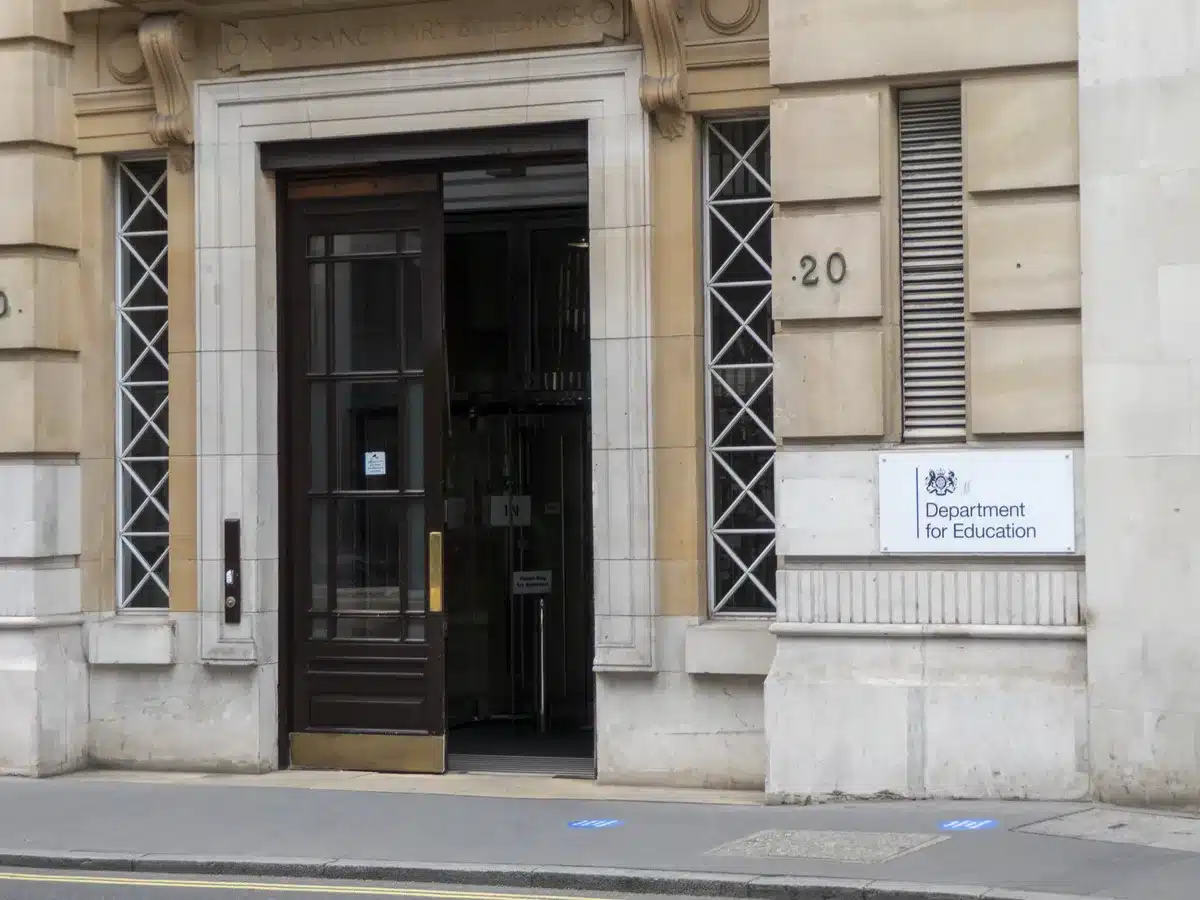
Education Secretary Linda McMahon’s department must now notify all eligible borrowers and process their loan discharges within one year of sending discharge notices. The final batch of discharge notices was sent to the last group of post-class applicants in June 2026. Some borrowers have already begun to see their loan balances fluctuate, a sign that servicers are processing the discharge.
Sources
- Forbes — detailed account of the Ninth Circuit ruling and settlement background, including Education Department arguments and court reasoning
- Business Insider — confirmation of the $23 billion settlement amount and relief for 500,000+ borrowers, and details on the court’s rejection of the department’s delay request
- Project on Predatory Student Lending — comprehensive case timeline, settlement details, and announcement of the Ninth Circuit’s unanimous ruling on July 17, 2026
- Yahoo Finance — reporting on the ruling and its effect on borrowers awaiting debt relief