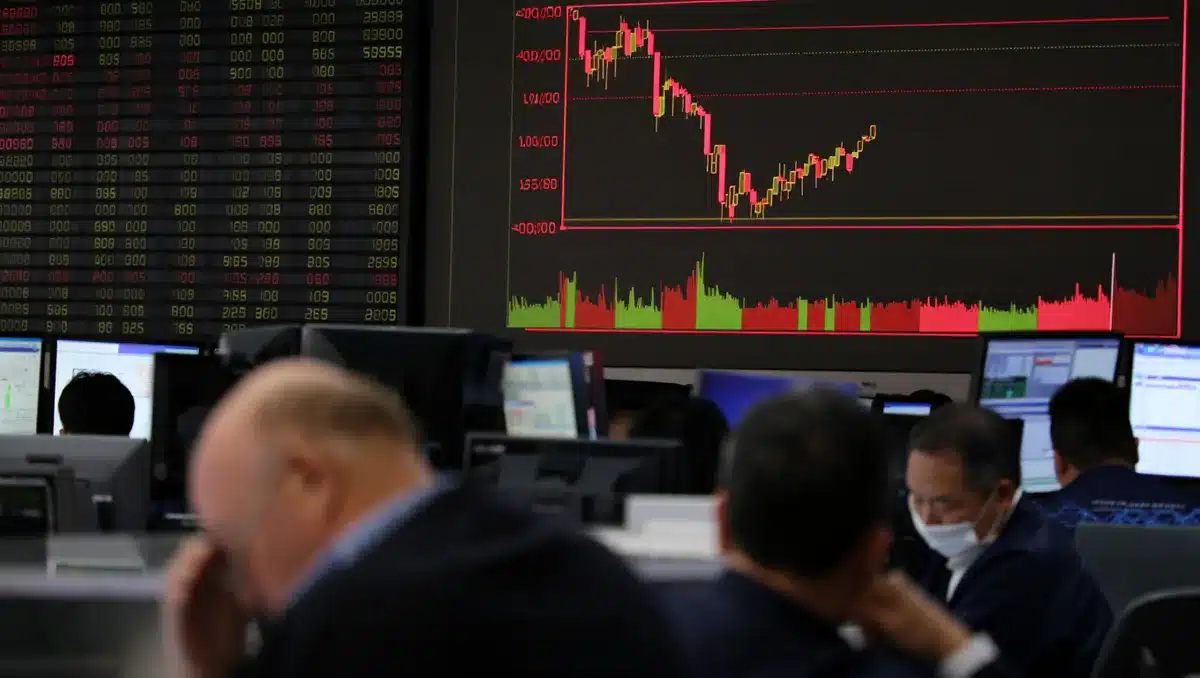
Roblox stock plunged approximately 29% on July 31, 2026, marking its worst trading day as the gaming platform reported a sharp slowdown in bookings growth and withdrew its full-year earnings guidance, signaling deepening challenges in user monetization.
The company reported second-quarter bookings of $1.557 billion, up just 8% year-over-year and at the low end of its guidance range, disappointing investors who had expected stronger growth. While revenue rose 36% to $1.469 billion, beating expectations, the bookings miss—the cash users actually spent on the platform—dominated market sentiment.

Management attributed the bookings weakness to declining per-hour monetization, particularly among younger users in the United States and Canada. In response to the slowdown, Roblox withdrew its full-year 2026 guidance entirely, citing “increasing variability and continued updates to our platform,” according to the company’s earnings announcement.
For the third quarter, the company issued cautious guidance, forecasting bookings between $1.58 billion and $1.65 billion, implying a year-over-year decline of 14% to 18%—a sharp reversal from the growth trajectory investors expected.
The guidance withdrawal and weak bookings outlook triggered immediate analyst downgrades. Deutsche Bank downgraded Roblox to Hold from Buy, slashing its price target to $38 from $56. Investment bank BTIG also downgraded the stock to Sell, and analysts warned that the platform may be entering a “lifecycle decline,” according to reports circulating among investors.

This marks the second major guidance reduction in 2026 for Roblox. In May, the company had already cut its full-year bookings guidance after reporting first-quarter results that missed expectations, citing new child safety measures that weighed on user growth. That earnings miss drove a 18% stock decline, signaling investor frustration with the company’s inability to balance safety initiatives with revenue growth.
The repeated guidance cuts underscore a persistent tension at Roblox: the platform’s implementation of stricter safety features—including age verification and content restrictions for younger users—has dampened engagement and spending among its core demographic. While these measures are necessary to address child safety concerns and regulatory scrutiny, they have come at a measurable cost to the company’s financial performance and user monetization.
Roblox remains under pressure from multiple directions. The company faces ongoing lawsuits related to child safety and has seen its stock decline sharply from its 52-week high of $142, trading near $35 by late July. The guidance withdrawal removes a key metric that had previously anchored investor expectations, adding uncertainty about the company’s path to returning to growth.
Sources
- Yahoo Finance — Q2 2026 earnings call highlights, bookings guidance, and stock decline percentage
- 247wallst.com — Q2 bookings of $1.6 billion, 8% year-over-year growth, revenue growth of 36%
- TechTimes — Full-year 2026 guidance withdrawal and company rationale
- SeekingAlpha — Q3 bookings guidance of $1.58B-$1.65B and year-over-year decline range
- Investing.com — Stock decline percentage of 27.5% and trading levels
- CNBC — May 1, 2026 Q1 earnings decline of 18% following guidance cut and child safety measure impacts
- Reuters — May 1, 2026 guidance cut details and safety measure context
- Stocktwits — Deutsche Bank downgrade to Hold from Buy, price target reduction