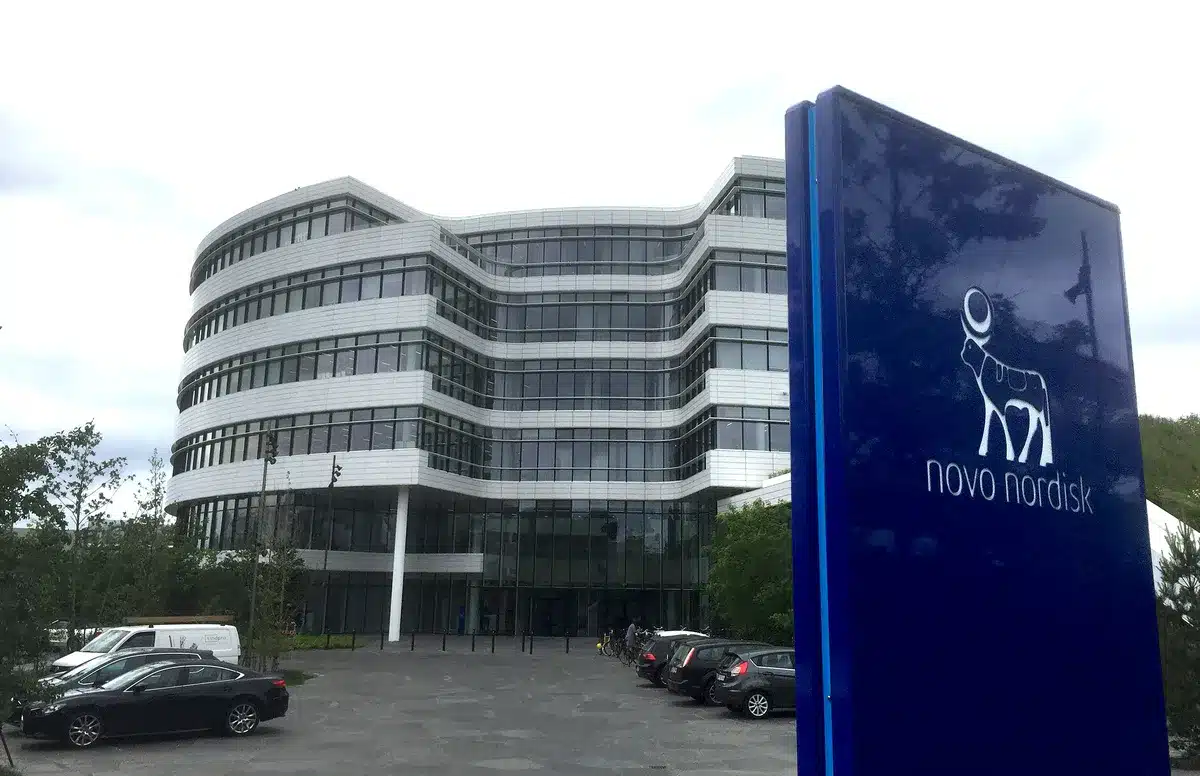
A U.S. federal judge ruled on July 28 that Novo Nordisk must face part of a shareholder lawsuit alleging the company defrauded investors over claims related to its CagriSema weight loss drug trial, allowing key allegations about the treatment’s tolerability to proceed to trial.
U.S. District Judge Robert Kirsch in Trenton, New Jersey, found that investors sufficiently pleaded that Martin Holst Lange, Novo Nordisk’s chief scientific officer, intended to defraud shareholders about CagriSema’s tolerability by falsely implying that dosing protocols were the same as in previous clinical trials. The 56-page decision cleared the way for the lawsuit to advance, though the judge dismissed many other claims.
The lawsuit stems from Novo Nordisk’s December 2024 announcement of results from the 68-week REDEFINE-1 trial, which tested CagriSema—a combination of semaglutide and cagrilintide—in about 3,400 adults with obesity or overweight. The trial achieved a mean weight loss of 22.7 percent, falling short of the company’s 25 percent target and what investors called the proven 22.5 percent benchmark for Eli Lilly’s Zepbound. Novo Nordisk’s American depositary receipts fell 17.8 percent on the day the results were disclosed.
Investors also blamed the decline on Novo Nordisk’s revelation that it had changed its usual protocols by allowing participants to control their own CagriSema dosages. Only 57 percent of trial participants received the highest dose, a shift designed to address tolerability issues that had emerged in earlier phase 1 and 2 studies. The judge agreed with plaintiffs that the company’s statements suggested Novo was not changing its clinical approach between earlier trials and the pivotal phase 3 study, contradicting what the trial design actually showed.
Judge Kirsch dismissed several other claims, including allegations based on Lange’s projection that CagriSema could produce “unsurpassed” weight loss of at least 25 percent. The judge ruled this statement was “aspirational” and not a basis for a fraud claim. He also rejected claims tied to Novo’s references to “fixed doses” of the drug.
Novo Nordisk said in a statement that it “believes that the allegations against it are meritless, and we intend to vigorously defend against these claims.” The company’s U.S. headquarters are in Plainsboro, New Jersey. The plaintiffs have demanded a jury trial and damages; the judge did not rule on the merits of the surviving claims.
The ruling comes as Novo Nordisk faces intense competition in the obesity drug market. In July, the company sued Eli Lilly, accusing it of falsely advertising Zepbound and its diabetes treatment Mounjaro by comparing higher doses of those products with lower doses of Novo Nordisk’s Wegovy and Ozempic. A federal judge in Trenton will consider Novo Nordisk’s request for a preliminary injunction to halt Eli Lilly’s nationwide ads at an August 27 hearing.

Sources
- Reuters — Novo Nordisk’s failure to end the shareholder lawsuit, the judge’s ruling, the December 2024 trial results, stock decline, and dosing protocol details
- Fierce Biotech — Judge Kirsch’s decision details, flexible dosing allegations, and Novo Nordisk’s statement