The Federal Reserve held interest rates steady at 3.5% to 3.75% on Wednesday, marking its fifth consecutive hold, but a fractured vote revealed mounting pressure within the central bank to raise rates as inflation remains stubbornly elevated. The policymaking committee voted 9-3 to maintain the benchmark federal funds rate, with three officials—Beth Hammack of the Cleveland Federal Reserve, Neel Kashkari of the Minneapolis Fed, and Lorie Logan of the Dallas Fed—publicly breaking ranks to push for a quarter-point increase.
The three dissents mark the first time since September 2016 that three Fed officials have voted together to raise rates, underscoring deepening concern among some policymakers about price growth. Fed Chairman Kevin Warsh acknowledged the internal debate at his post-decision press conference, calling it a “good family fight,” but emphasized that the central bank remains committed to its 2% inflation target. “We will deliver price stability,” Warsh said, adding that the Fed has “no soft targets” and will not waver from its objective.
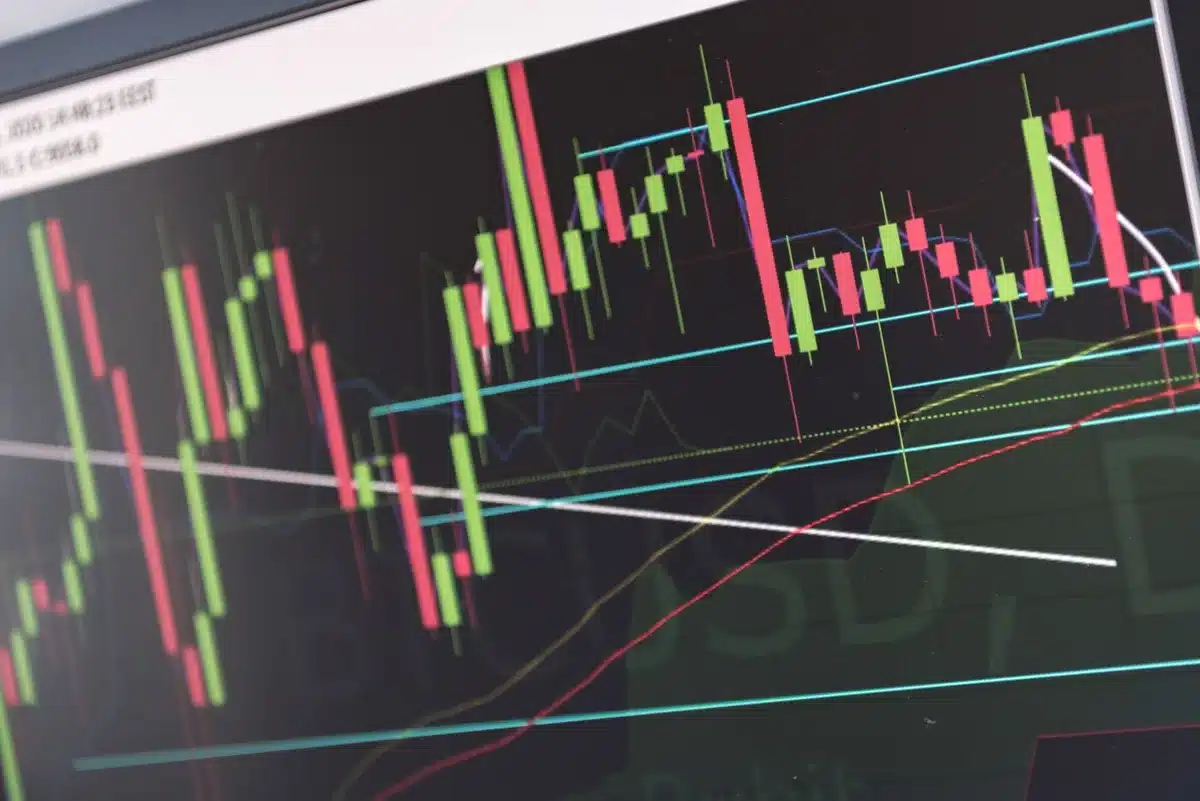
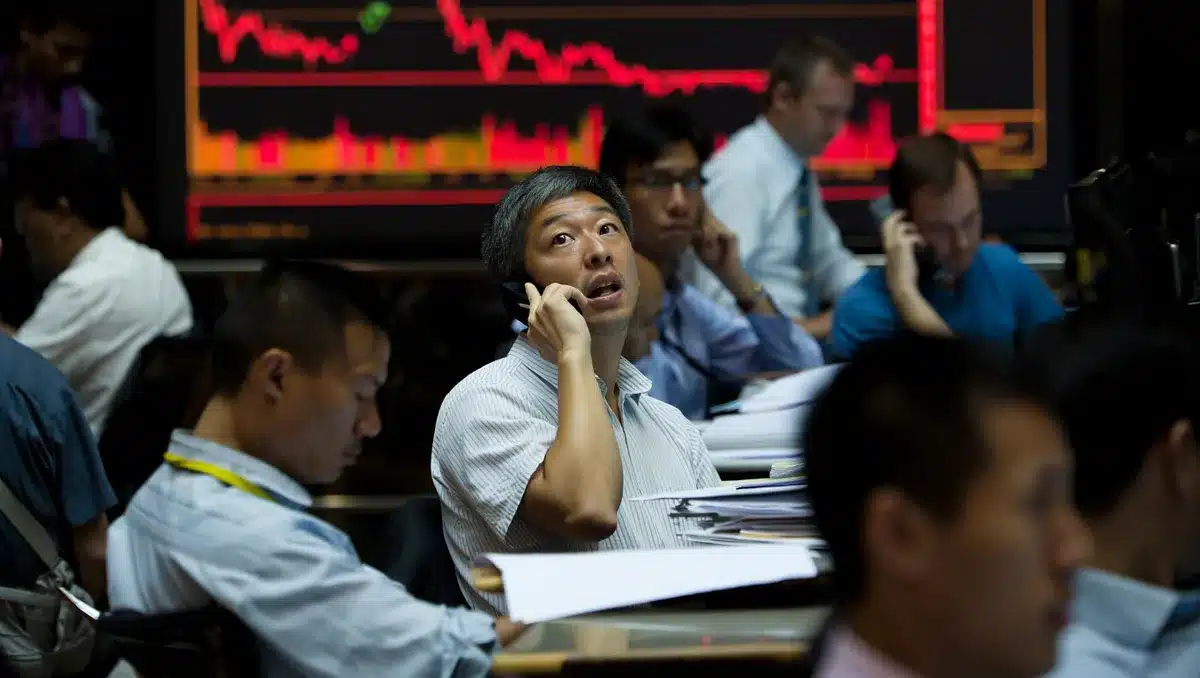
Markets reacted swiftly and negatively to the decision. The Dow Jones Industrial Average fell 1,153 points, or 2.19%, marking its worst day since April 2025, while the S&P 500 sank 1.52% and the Nasdaq dropped 1.74%, putting the tech-heavy index about 9.8% below its June peak. Treasury yields surged in response, with the 10-year yield rising to 4.68% and the 30-year climbing above 5.2%—its highest level since 2007. The sharp move in bond markets reflected investor concerns that the Fed’s hawkish tone signals more aggressive tightening could be ahead.
The dissent signals a vocal hawkish faction within the policymaking committee, even as the majority sided with Warsh’s decision to pause. Hammack, Kashkari, and Logan have all made public statements supporting tighter policy should inflation persist. Recent inflation readings show the challenge the Fed faces: the consumer price index posted a surprise 0.4% drop in June as gasoline prices briefly retreated, but that relief has reversed in recent weeks as geopolitical tensions in the Middle East have sent oil prices climbing again, raising the risk that energy costs could reignite price pressures. Year-over-year inflation stood at 3.5% in June, nearly double the Fed’s 2% target, and the Fed’s June projections lifted its PCE inflation forecast to 3.6% for the full year 2026.
The three dissents also stand out historically. The last time three Fed officials voted against a rate hold was in September 2016, when the economy faced different challenges. April 2026 saw the highest level of dissent since 1992, with four officials opposing the statement language—but those dissents were split on different grounds. This July vote represents a more unified hawkish push, with all three dissenters favoring the same tighter policy direction. The frequency of dissents in 2026 has been notably higher than in recent years, reflecting the Fed’s struggle to balance inflation concerns against economic uncertainty.
The decision’s hawkish tone has rippled through the housing market. Mortgage rates have climbed to 6.75%, the highest level in months, as investors price in the possibility of future rate hikes. Mortgage rates have surged sharply in July amid rising energy costs and Fed uncertainty, constraining affordability for prospective homebuyers. Housing economists have shifted their outlook, with few now expecting mortgage rates to fall below 6% in the near future.
Warsh stressed that the Fed is not providing forward guidance about future rate moves, saying policymakers need to “observe market reaction to developments direct and unfiltered.” However, he pledged that “where necessary and appropriate, we will not hesitate to act”—language that analysts interpreted as signaling the possibility of hikes ahead if inflation does not continue to cool. The market’s sharp selloff after the July decision underscores how sensitive investors are to any signal that rate hikes may be coming. For now, the central bank remains on hold, but the three dissents make clear that patience is wearing thin among some officials who believe inflation still requires a more aggressive policy response. Analysts are now watching closely for the Fed’s September meeting, when policymakers will have the benefit of two more months of inflation data.
Sources
- CNBC — Fed’s July decision to hold rates, the three dissents, Warsh’s press conference remarks, inflation context, and April 2026 precedent with four dissents
- Reuters — Fed vote count (9-3), the dissenters’ identities, and their preference for a rate hike
- Bloomberg / BBC News — Warsh’s “no magic wand” quote, inflation rate at 3.5% year-over-year, oil prices, and Fed’s five consecutive holds
- CNN Business / Fox Business — Dow decline of 1,153 points (2.19%), S&P 500 and Nasdaq performance, 30-year Treasury yield at 5.21%, 10-year yield at 4.68%
- Wall Street Journal / Mortgage Rate Surveys — Mortgage rates at 6.75% as of July 29, 2026, and housing market impact