Alphabet raised its 2026 capital expenditure forecast to $195–$205 billion on July 22 after reporting a strong second-quarter earnings beat, signaling an aggressive push into AI infrastructure that overshadowed robust revenue growth and sent the stock down nearly 5 percent in after-hours trading.
The company reported Q2 revenue of $119.8 billion, up 24 percent year-over-year and above the $116.9 billion consensus estimate. Google Cloud revenue accelerated sharply to $24.8 billion, a jump of 82 percent, driven by demand for AI infrastructure and enterprise solutions, according to Alphabet’s earnings materials.
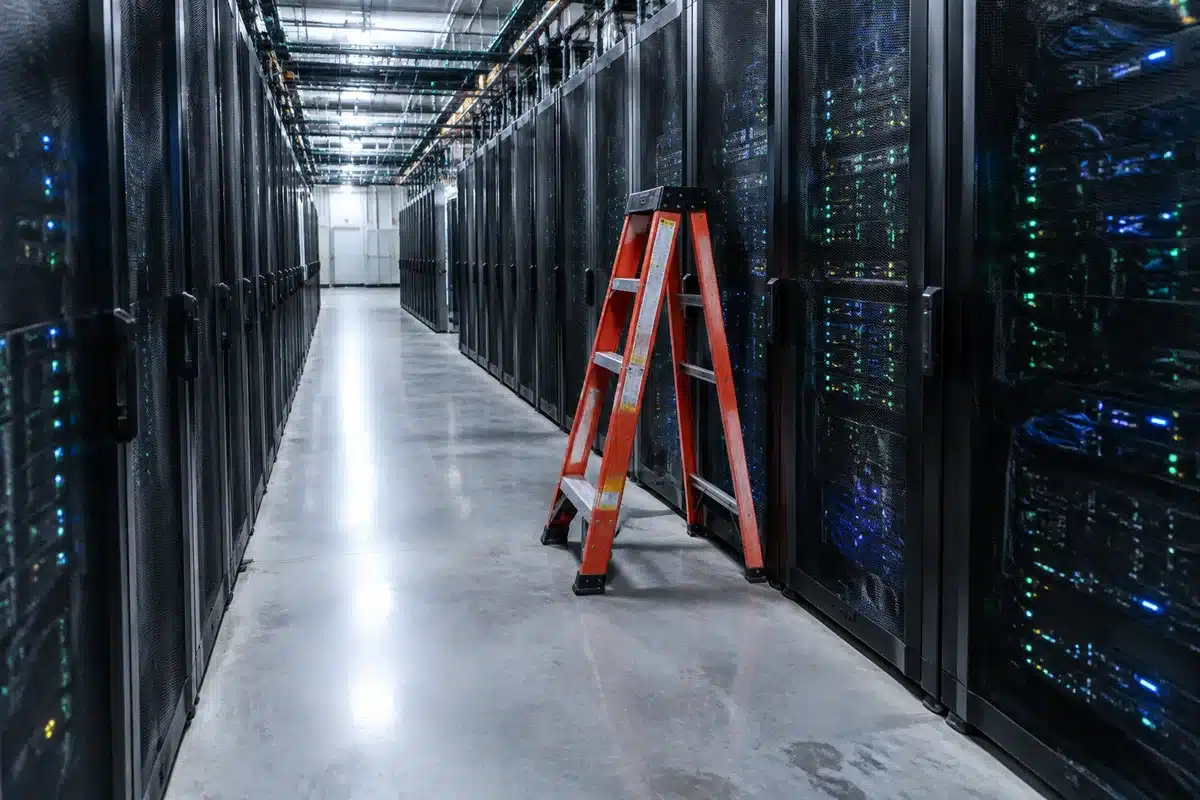
The capex increase marks the third guidance raise in 2026. Alphabet started the year projecting $175–$185 billion in capital spending, raised it to $180–$190 billion in April, and now projects $195–$205 billion—a $15 billion midpoint increase tied directly to AI data center buildout. Management also signaled that 2027 capex will rise significantly from 2026 levels.
The market’s reaction underscored investor anxiety over the scale of AI infrastructure spending even as Alphabet’s core business delivered strong results. Despite beating revenue expectations and reporting 82 percent cloud growth, the stock fell as much as 7 percent on the capex announcement. The company’s Q2 free cash flow turned negative at $5.9 billion, a first for the quarter, as capital spending accelerated faster than operating cash generation.

The capex surge reflects a broader industry-wide race to build AI capacity. Alphabet’s cloud backlog reached $514 billion, signaling strong future demand for AI services. However, the timing of these massive expenditures raises questions about near-term profitability. Big Tech giants—Amazon, Microsoft, Meta, and Alphabet combined—are projected to spend over $700 billion on capital expenditures in 2026, up 77 percent from 2025’s $410 billion, according to industry analysis.
The negative free cash flow and rising capex guidance have prompted some Wall Street analysts to question whether the AI opportunity justifies the spending pace. Alphabet’s capex concerns weighed on the stock despite the earnings beat, reflecting a shift in investor sentiment toward profitability and cash generation over revenue growth alone.
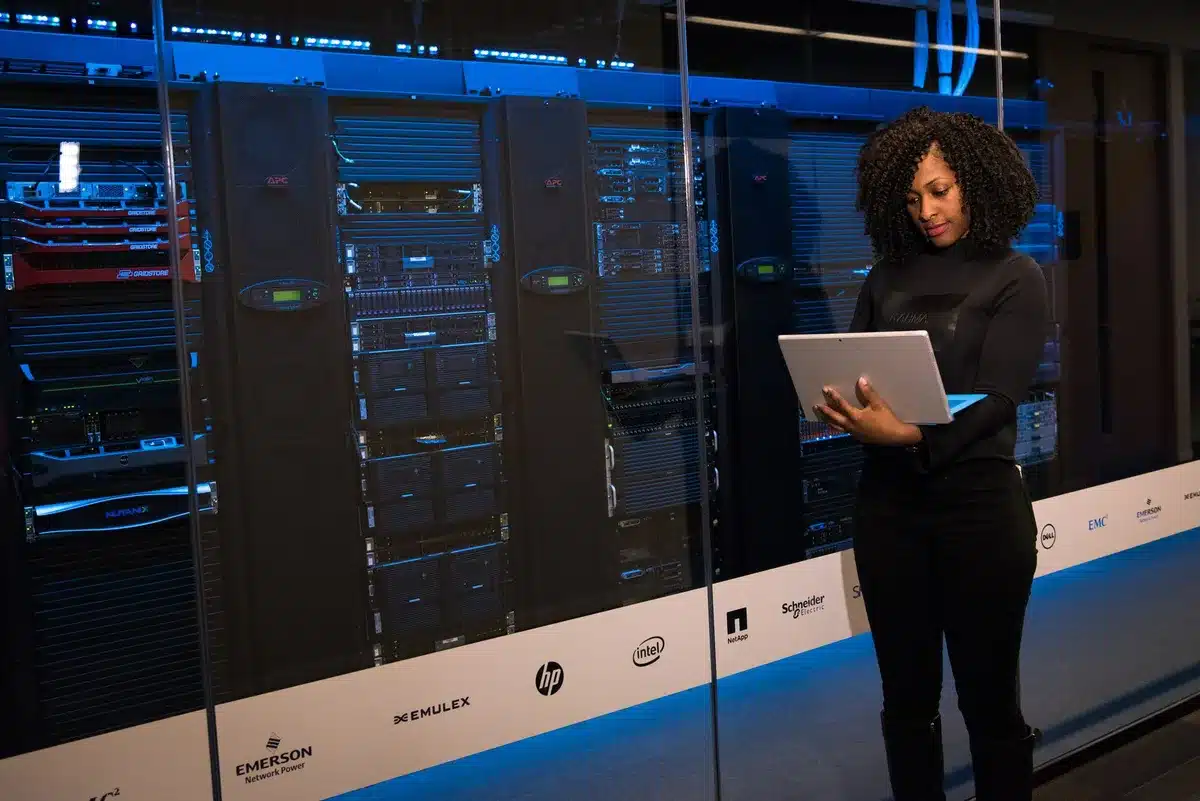
Google Cloud’s strength—with operating income margins expanding to 35.6 percent from 20.7 percent year-over-year—demonstrates that the company’s AI investments are beginning to generate returns. The $514 billion cloud backlog provides visibility into future revenue, even as the company races to deploy capital ahead of competitors. Google stock fell 6 percent as the capex guidance to $205B raised investor concerns about the company’s ability to convert infrastructure spending into sustained profit growth.
Sources
- Reuters — Confirmed capex guidance increase to $195–$205B from $180–$190B, stock decline, and cloud acceleration to 82 percent growth.
- CNBC — Reported Q2 revenue of $119.8B (up 24 percent), capex guidance raise, and analyst expectations context.
- Yahoo Finance — Documented stock decline of nearly 5 percent after-hours on capex announcement.
- Seeking Alpha — Detailed Q2 earnings call data: 24 percent revenue growth, Cloud +82 percent, $514B backlog, and capex guidance.
- Insider Finance — Reported Q2 capex of $44.9B and the $15B midpoint increase in 2026 guidance.
- Futurum Group — Provided context on Big Tech’s combined $725B capex forecast for 2026 and the 77 percent year-over-year increase.