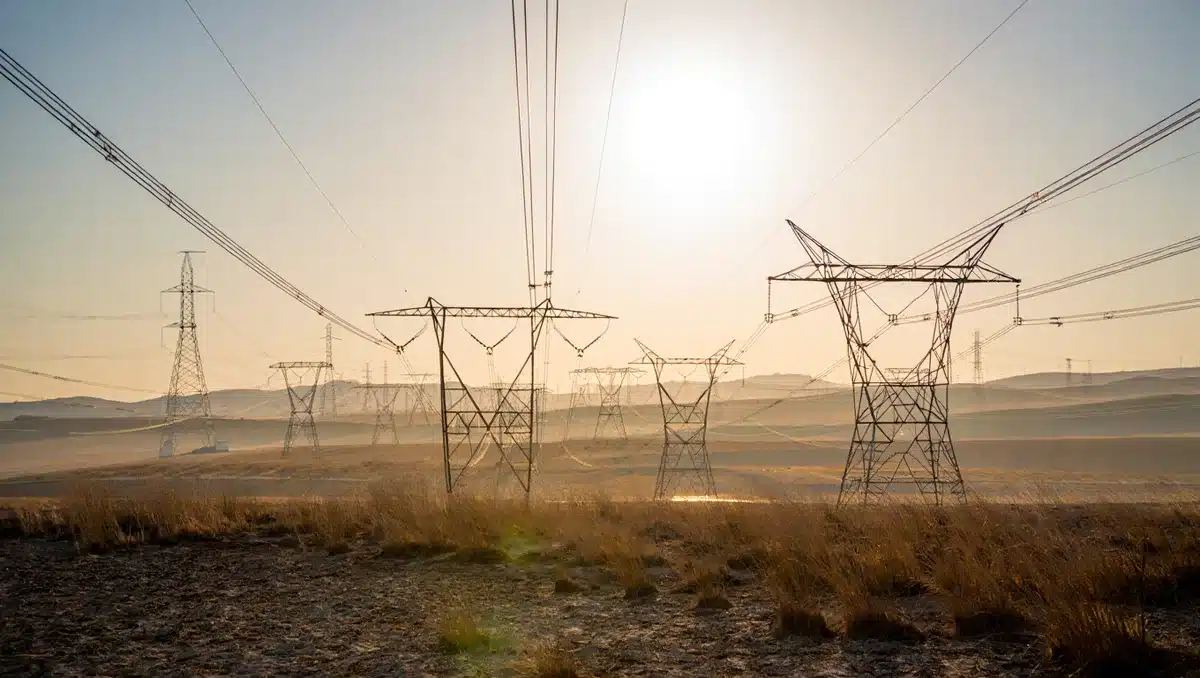
The U.S. Department of Energy issued a power grid emergency order on July 26 for 17 states served by the Southwest Power Pool, authorizing the deployment of backup generation resources to prevent blackouts during an intense heat wave. The order, which runs through August 3, allows SPP to dispatch idle generation units as a last resort before declaring a Level 3 emergency alert—one of the final steps before rolling blackouts.
SPP operates the electrical grid across a territory stretching from North Dakota to Louisiana, serving 20 million people. The emergency order came after SPP warned that extreme heat, combined with power plant outages and declining wind generation, created conditions likely to produce emergency alerts during peak-demand periods throughout the week.
The region faced acute stress on Friday, July 25, when a sudden loss of electricity imported from neighboring grids left SPP with minimal reserves for any power plant failures or renewable energy drops. SPP avoided outages that day only through voluntary conservation appeals to customers. The grid operator expected the week’s highest demand on Sunday evening as temperatures climbed above 90 degrees Fahrenheit.
The extreme heat has strained grids nationwide. In early July, the mid-Atlantic power grid operated by PJM Interconnection reached 162 gigawatts of demand—the second-highest level in its history—as heat drove air conditioning loads to near-record levels. That surge prompted the Department of Energy to issue multiple emergency orders, including one allowing power plants to run harder than normal and waiving certain emissions limits.
SPP’s West region will remain under a conservative operations advisory until August 1, a measure designed to raise awareness of potential threats to grid reliability. The grid operator typically functions as a net exporter of electricity due to its large wind generation base, but last week’s heat meant neighboring grids could not provide backup power because they faced identical weather-driven demand spikes. Energy Secretary Chris Wright said the administration was “tapping into an abundant supply of unused backup generation to maintain affordable, reliable and secure power for hardworking American families and businesses.”
The July 2026 heat wave has become the third major heat dome to strike the country this summer, testing the nation’s grid infrastructure during peak cooling season. The emergency order underscores growing vulnerability to blackouts when extreme weather, aging infrastructure, and rising electricity demand converge.
Sources
- Reuters — Details on the July 26 emergency order, SPP’s warning of persistent emergency conditions, the Friday import loss, voluntary conservation, and the West region advisory through August 1
- Valley News Live — Confirmation of the order’s effective dates (July 26 through August 3) and SPP’s authorization to direct backup generation
- Energy News Beat and related sources — PJM’s 162-gigawatt demand peak on July 2 as the second-highest in its history
- Department of Energy official statement — Energy Secretary Chris Wright’s statement on the emergency order
- Multiple news outlets (WKYC, KARE11, Marketplace, CNBC) — Confirmation of the 17-state emergency order, the 20 million people served, the North Dakota to Louisiana geographic scope, and the heat wave’s impact on grid demand