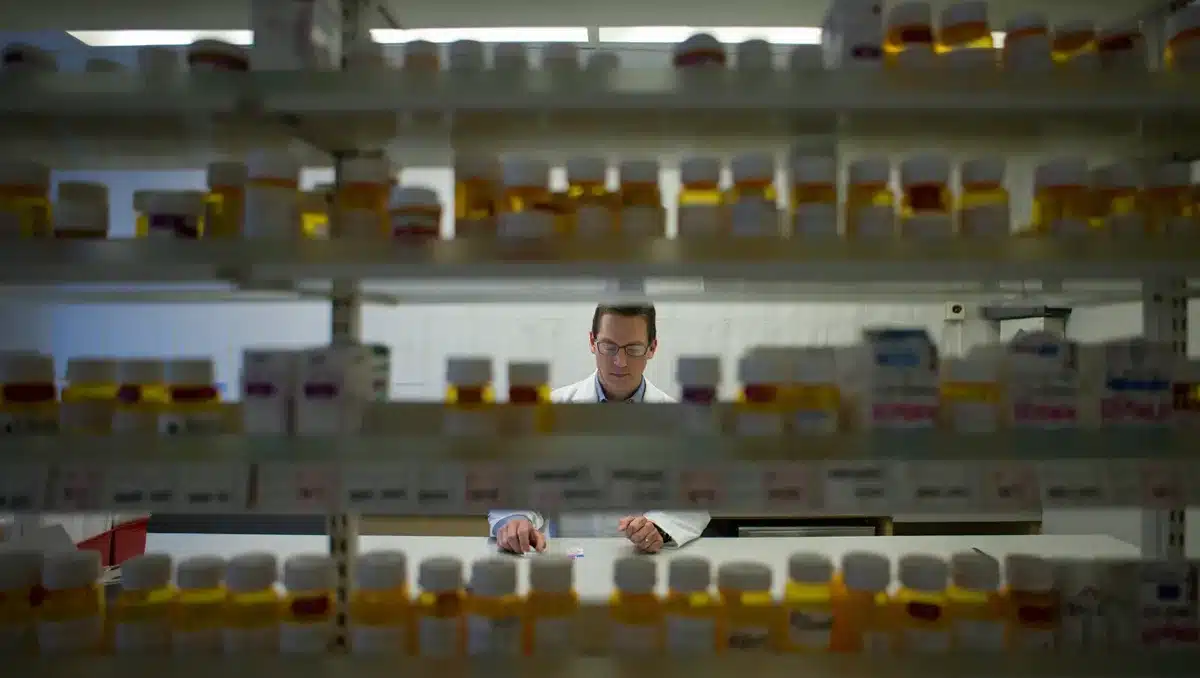
The Trump administration will end a $3.6 billion Medicare Part D subsidy program after 2026, a decision announced July 28 that will likely raise prescription drug insurance premiums for roughly three-quarters of the 25 million seniors enrolled in standalone drug plans beginning in 2027.
Medicare Part D is the federal prescription drug benefit available to anyone age 65 and older who is enrolled in Medicare. It is offered through private insurance companies and helps cover the cost of outpatient prescription medications. Under the program, beneficiaries pay monthly premiums to their chosen plan, and the plan helps cover a portion of their drug costs.
The subsidy being eliminated — formally called the Medicare Part D Premium Stabilization Demonstration — was created by the Biden administration in July 2024 to cushion the impact of a major redesign of Part D that took effect in 2024 under the Inflation Reduction Act. That redesign eliminated the “donut hole” coverage gap and capped out-of-pocket drug costs at $2,000 per year, but it also increased premiums for many plans. The demonstration provided additional federal support to insurers to keep monthly premiums lower during the transition period.
According to CMS data, the demonstration succeeded in its stated goal: average standalone Part D premiums held steady around $36 per month in 2026, down from $43 in 2024. Enrollment also grew from 23 million to 25 million beneficiaries over that period, according to the Kaiser Family Foundation.
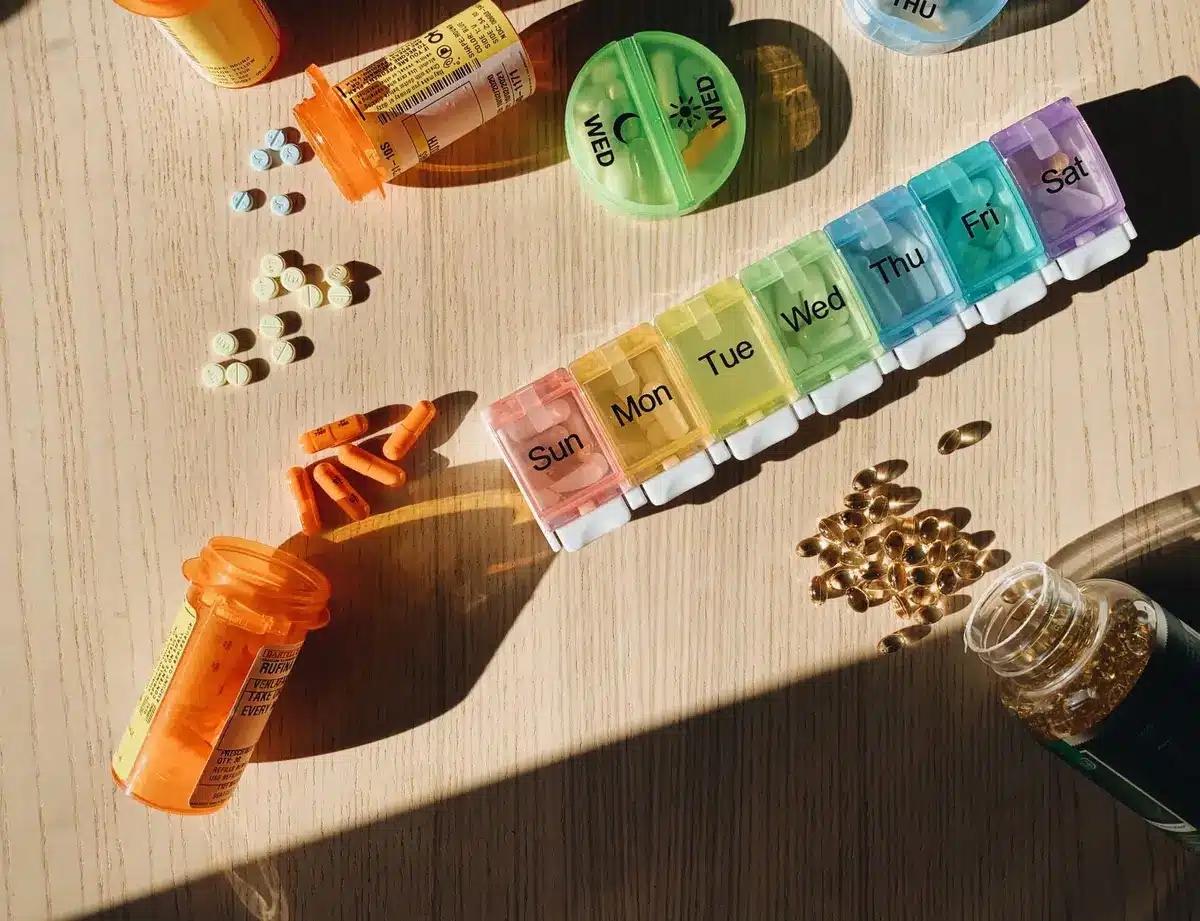
CMS Administrator Mehmet Oz argued in a statement that the demonstration was unnecessary and that federal subsidies encouraged insurers to raise rates, knowing the government would absorb the extra cost. “The Biden admin gave billions of taxpayer money directly to big insurance companies. This is unacceptable,” Oz said. “We are stabilizing the market so this bailout is no longer needed.”
The impact on seniors will vary. CMS estimates that about 25% of Part D enrollees will see premiums stay flat or decline in 2027. Another 30% are projected to pay less than $10 more per month. However, approximately 45% of beneficiaries — roughly 11 million seniors — could face increases ranging from $11 to $20 per month, according to analysis from 24/7 Wall St. The base Part D premium is currently projected to reach $41.33 per month in 2027, up from the 2026 average.
Seniors will receive their 2027 premium notices in the fall, just as campaigning for the 2026 midterm elections intensifies. The timing underscores the political stakes: healthcare affordability remains a top concern for older Americans on fixed incomes, and higher drug plan costs could influence voting behavior in a closely watched election cycle.

The demonstration program had already been scaled back once. When the Trump administration took office in January 2025, it modified the program to reduce the uniform premium reduction from $15 to a lower amount, signaling its skepticism about the subsidy’s necessity. The final decision to end it entirely represents a more aggressive move away from the Biden administration’s approach to managing Part D costs.
The Inflation Reduction Act’s redesign of Part D remains in place, including the $2,000 annual out-of-pocket cap and the elimination of the coverage gap. The law also allows the federal government to negotiate prices for certain high-cost drugs, a provision that continues separately. However, without the premium stabilization subsidy, beneficiaries will bear more of the actual insurance costs directly through higher monthly premiums.
Sources
- USA Today — confirmed the Trump administration’s decision to end the subsidy, CMS Administrator Mehmet Oz’s statement, and the $9.8 billion total cost of the demonstration in 2025 and 2026.
- Wall Street Journal — reported the $3.6 billion subsidy amount for 2026 and that the program will end after 2026 coverage.
- 24/7 Wall St. — provided analysis showing 75% of enrollees face higher premiums, with 45% seeing increases of $11-$20 per month, and the projected base premium of $41.33 in 2027.
- Kaiser Family Foundation — documented the demonstration’s success in stabilizing premiums and enrollment growth from 23 million to 25 million beneficiaries.
- Medicare.gov and related sources — explained what Medicare Part D is and how it functions as an optional prescription drug benefit offered through private insurance companies.