Former FBI Director James Comey’s legal team filed motions on July 29 to dismiss federal charges accusing him of threatening President Trump through a May 2025 Instagram post showing seashells arranged as “86 47,” alleging prosecutors misled judges, submitted false statements, and conducted illegal surveillance to build their case.
The filing argues that federal prosecutors and FBI agents intentionally omitted key facts when seeking search warrants for Comey’s digital accounts. According to court documents filed by Comey’s attorney Patrick Fitzgerald, investigators searched the FBI’s database for references to the term “86” in cases Comey had worked on, including a file on mob boss John Gambino whom Comey prosecuted in the 1990s, but found no connection to the term. Those failed searches were deliberately left out of warrant applications, Comey’s lawyers contend.
Comey’s defense team also alleges that the U.S. Secret Service conducted illegal electronic surveillance without a warrant. Internal Secret Service emails filed in court show staff discussing “pinging” Comey’s phone to track his location in spring 2025 and requesting location data from Verizon under an “emergency” claim, even as one unnamed official wrote that “we did not believe that anyone’s life was in immediate danger and legally it was a bad idea to ping the phone.”
The legal team argues the prosecution is driven by political retribution. In a 76-page spreadsheet attached to the motion, Comey’s attorneys documented years of public insults exchanged between Trump and Comey, arguing that “ample objective evidence” shows “the President’s animus toward Mr Comey led to this vindictive and selective prosecution.” The filing notes that Trump has repeatedly called for Comey to be prosecuted, once describing him as a “corrupt piece of garbage.”
First Amendment and Trial Timeline
Comey’s attorneys argue the post itself is protected political speech, not a “true threat.” The defense contends that prosecutors mischaracterize an ambiguous image—Comey said he found the shells arranged that way and assumed they represented a political message—as a credible death threat. Legal experts have widely questioned the government’s theory, with constitutional scholars noting that the post lacks the specificity and intent required under Supreme Court precedent for a true threat to lose First Amendment protection.
When the Supreme Court addressed true threats in Counterman v. Colorado in 2023, it held that speech can only be prosecuted as a true threat if the speaker means to communicate a serious intent to commit an act of unlawful violence. Comey’s post—a photograph of seashells—presents an ambiguous image that falls far short of that standard, his lawyers argue.

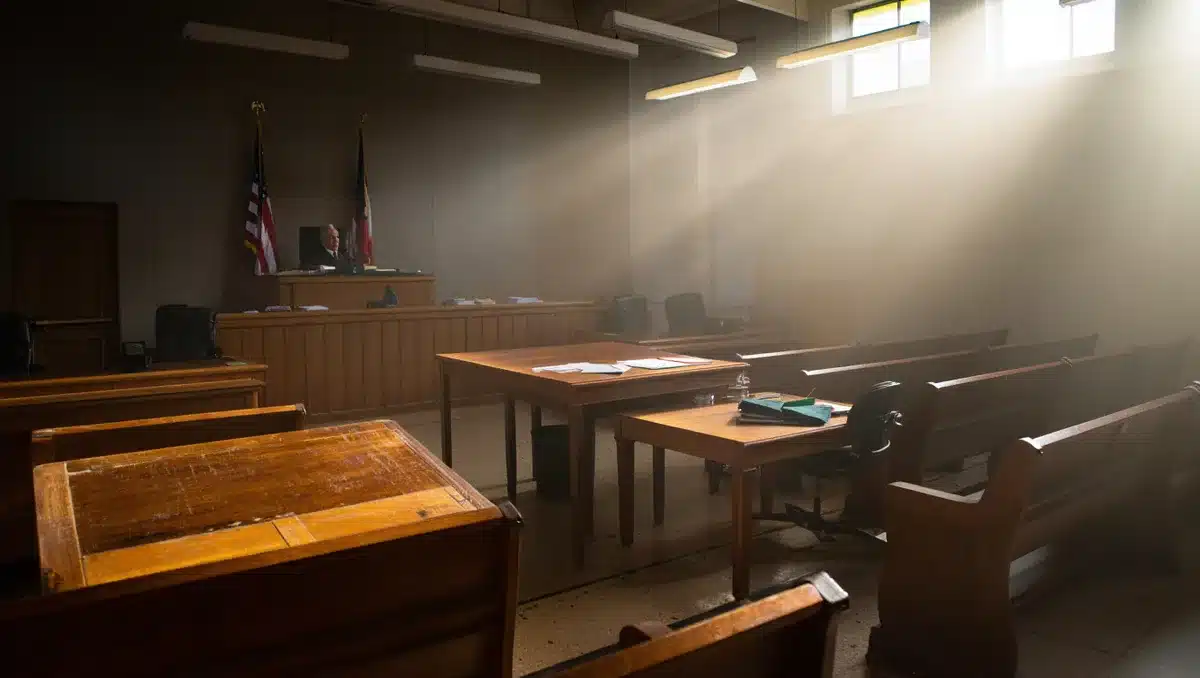
Comey is scheduled for arraignment on September 30 in New Bern, North Carolina, with trial set to begin on October 21 before U.S. District Judge Louise Flanagan. The two-count indictment charges him with threatening the president and transmitting a threat in interstate commerce, each carrying up to 10 years in prison if convicted.
This case is the latest in a series of prosecutions against Trump administration critics. In 2025, Comey faced a separate indictment on obstruction and false-statement charges related to his testimony to Congress, but that case was dismissed in November after a federal judge determined the prosecutor was unconstitutionally appointed. New York Attorney General Letitia James also faced indictment but was quickly exonerated when her case was thrown out, while former National Security Advisor John Bolton pleaded guilty to illegally withholding classified materials.
Sources
- CBS News — Comey’s motion filings, Secret Service surveillance allegations, and details of the July 29 court submissions
- Al Jazeera — Defense team allegations of false statements, omitted search results, and vindictive prosecution claims
- The Washington Post — Prosecutors’ alleged omission of key facts and false statements in warrant applications
- Reuters — Legal experts’ assessment of First Amendment vulnerabilities in the prosecution
- Fox News — Expert commentary on First Amendment hurdles facing the indictment
- NC NewsLine — Trial date confirmation (October 21, 2026) and arraignment schedule (September 30)