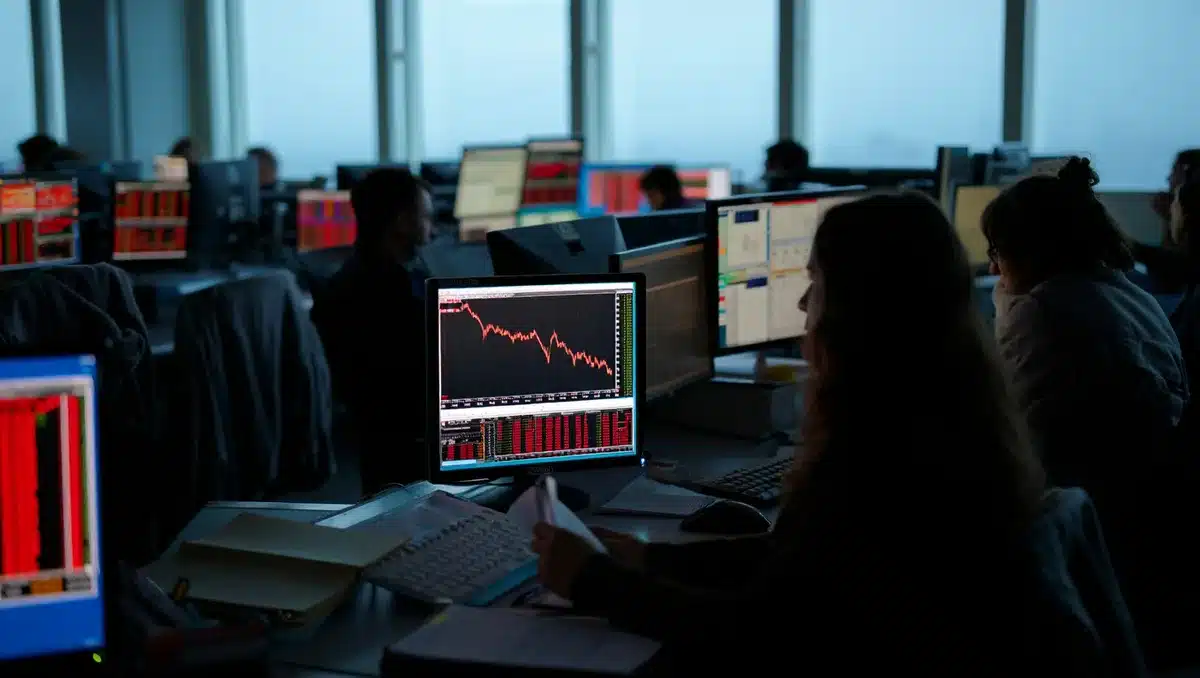
South Korea’s KOSPI fell 5.98% on July 29, 2026, closing at 5,663.24 points as the benchmark index extended a dramatic reversal from its June peak of 9,385.
The decline marks the latest chapter in a market crash that has erased nearly 40% of the index’s value since late June, according to Barron’s. The selloff accelerated on July 28 when the KOSPI plunged 10.8%, triggering an automatic trading halt—the eighth circuit-breaker activation of 2026, per the BBC.
Heavy selling of semiconductor stocks, particularly Samsung Electronics and SK Hynix, has driven the rout. Those two companies account for nearly half the KOSPI’s weighting, making the index heavily dependent on their fortunes. Both firms fell sharply on fears about the sustainability of artificial-intelligence spending and intensifying competition from China, according to Bloomberg and the Guardian.
The index’s collapse represents a stunning reversal from earlier this year. The KOSPI had soared 116% since January, driven by the global AI boom and rising memory-chip prices tied to AI infrastructure spending, according to CNN and the South China Morning Post. On June 19, the index crossed 9,000 points for the first time, briefly making South Korea the world’s sixth-largest stock market by capitalization, per SCMP.
Sentiment began shifting in late June as investors questioned whether AI spending projections were sustainable and as chip stocks faced broader selloff pressures. On June 23, the KOSPI fell 10% in a single day, marking an early warning of the volatility to come.
Why the Crash Deepened
The immediate catalyst for July’s acceleration was a combination of concerns: reports of China’s progress in advanced chipmaking, doubts about AI infrastructure financing, and questions over whether memory-chip prices—which had surged during the boom—could sustain current levels. Bloomberg reported that signs of China’s chipmaking advances “compounded worries about the sustainability of the AI boom.”
The concentration of the KOSPI in two chipmakers magnified the selloff. When Samsung and SK Hynix fell by double-digit percentages—SK Hynix dropped as much as 14% on July 28—the entire index moved sharply lower, according to Reuters and Nikkei Asia.
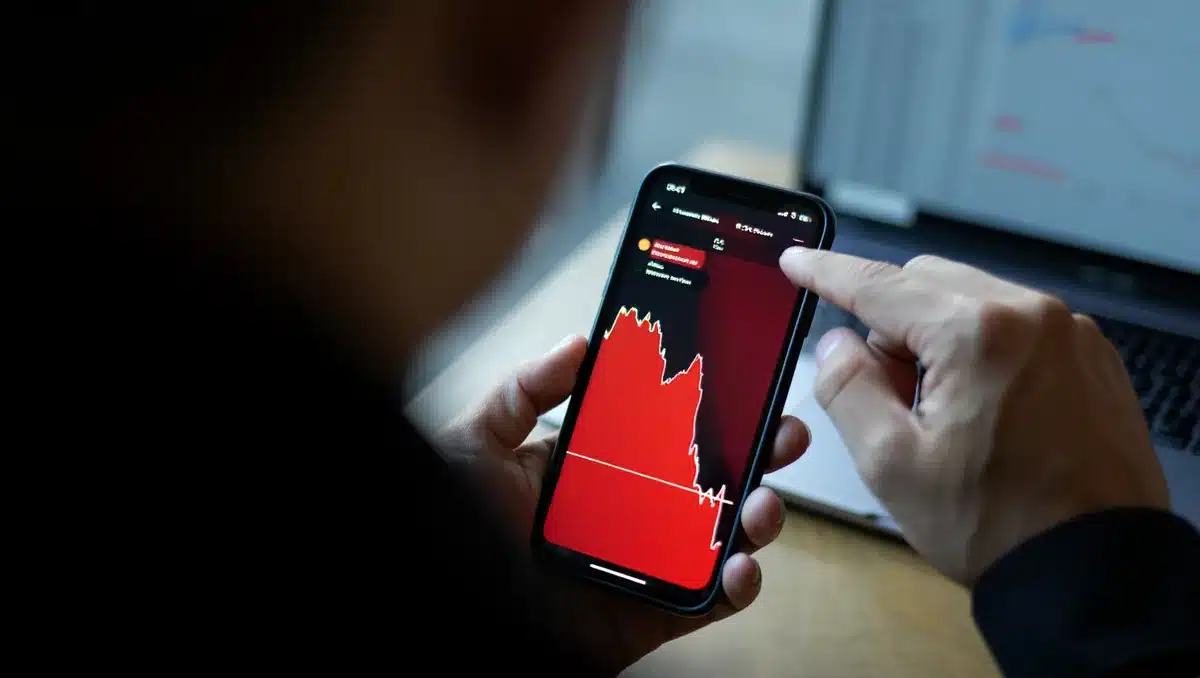
J.P. Morgan, cited by Barron’s, suggested the market could soon find a floor, but the timing and level of any stabilization remain uncertain. The crash has wiped out an estimated $1 trillion in market value since the June peak, according to Fortune.
For global markets, South Korea’s crash carries outsized significance. The KOSPI’s heavy weighting toward semiconductors and AI-dependent stocks means its moves often signal broader sentiment shifts across Asia and influence U.S. tech stocks as well, according to multiple outlets covering the selloff.
Sources
- Trading Economics — KOSPI closing level and daily percentage decline on July 29, 2026
- Yahoo Finance — KOSPI closing price and confirmation of 5.98% decline
- Barron’s — KOSPI down nearly 40% since late June; J.P. Morgan commentary on potential market floor
- Bloomberg — Semiconductor selloff drivers, China chipmaking concerns, sustainability worries
- Reuters — Circuit breaker triggers, Samsung and SK Hynix declines, China competition context
- The Guardian — AI spending and Chinese competition fears driving chipmaker declines
- BBC — Circuit breaker activation as eighth occurrence in 2026
- CNN — KOSPI’s 116% gain year-to-date, June 19 peak at 9,000+ points
- South China Morning Post — KOSPI briefly sixth-largest market, AI boom context
- Nikkei Asia — SK Hynix and Samsung percentage declines on July 28
- Fortune — $1 trillion market value loss estimate since June peak