President Joe Biden pardoned Dr. Anthony Fauci in January 2025, shielding him from federal prosecution for actions during his tenure as director of the National Institute of Allergy and Infectious Diseases, but the pardon’s scope has become a flashpoint as Fauci faces renewed scrutiny from Republican lawmakers.
On January 19, 2025, in the final hours of his presidency, Biden issued a preemptive pardon covering Fauci for any federal offenses committed between January 1, 2014 and January 19, 2025. Biden stated the pardon was necessary to protect against “unjustified and politically motivated prosecutions” by the incoming Trump administration, according to NPR and Reuters.
In his statement, Biden said the pardon “should not be mistaken as an acknowledgment that any individual engaged in any wrongdoing,” emphasizing that the move was intended to prevent reputational and financial damage even to those ultimately exonerated. Fauci responded by stating, “I have committed no crime and there are no possible grounds for any allegation or threat of criminal investigation or prosecution of me,” but acknowledged the “intolerable distress” caused by threats of prosecution.
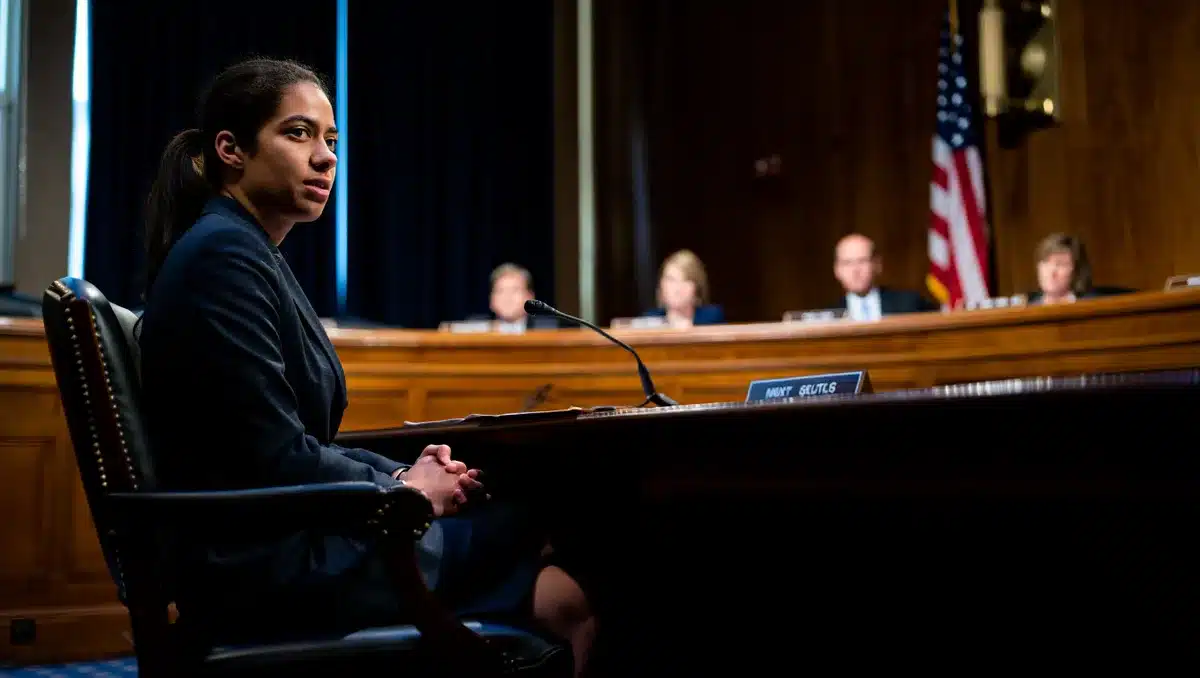
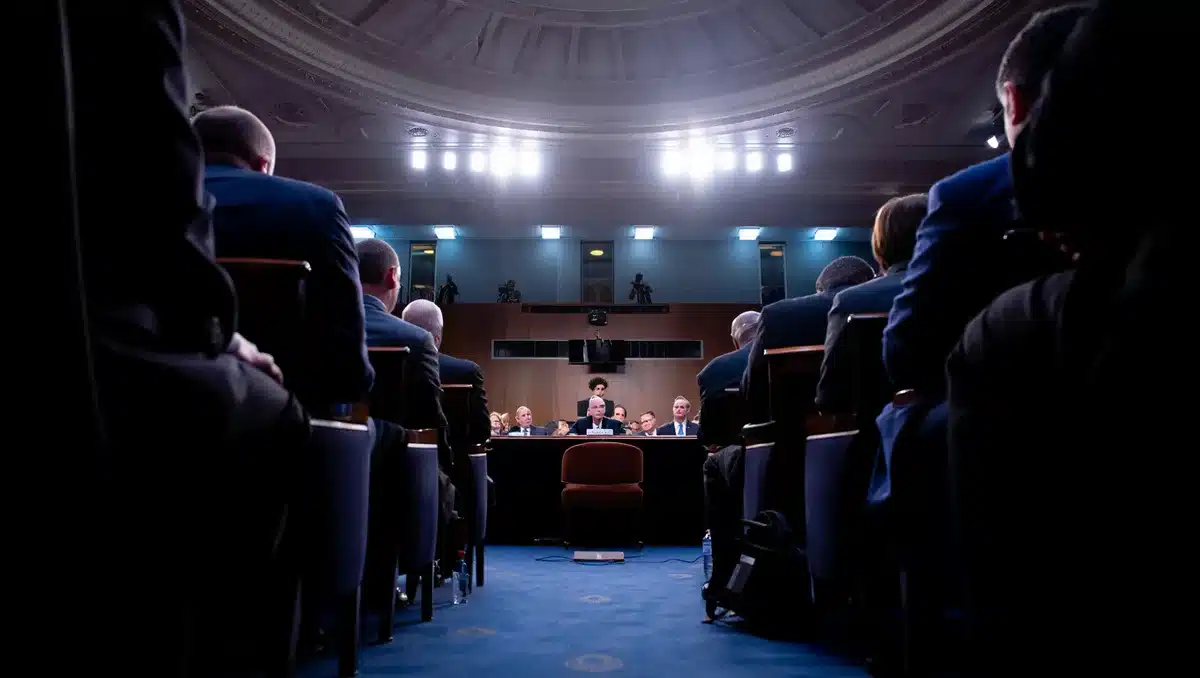
The limitations of the pardon became evident on July 29, 2026, when Fauci testified before a Republican-led Senate committee hearing on COVID-19 origins. According to NBC News and multiple outlets, Fauci invoked his Fifth Amendment right not to incriminate himself over 100 times during the hearing, declining to answer questions from Senator Rand Paul and other lawmakers.
Legal experts and Republican senators have argued that the pardon does not shield Fauci from prosecution for actions or statements made after January 19, 2025. The New York Times reported that the pardon covers only conduct before it was issued, leaving Fauci potentially vulnerable to charges of contempt of Congress or perjury related to his recent testimony. Senator Rand Paul called for a vote on contempt charges, according to Politico, and Representative James Comer questioned whether the autopen-signed pardon was on “legally questionable ground.”
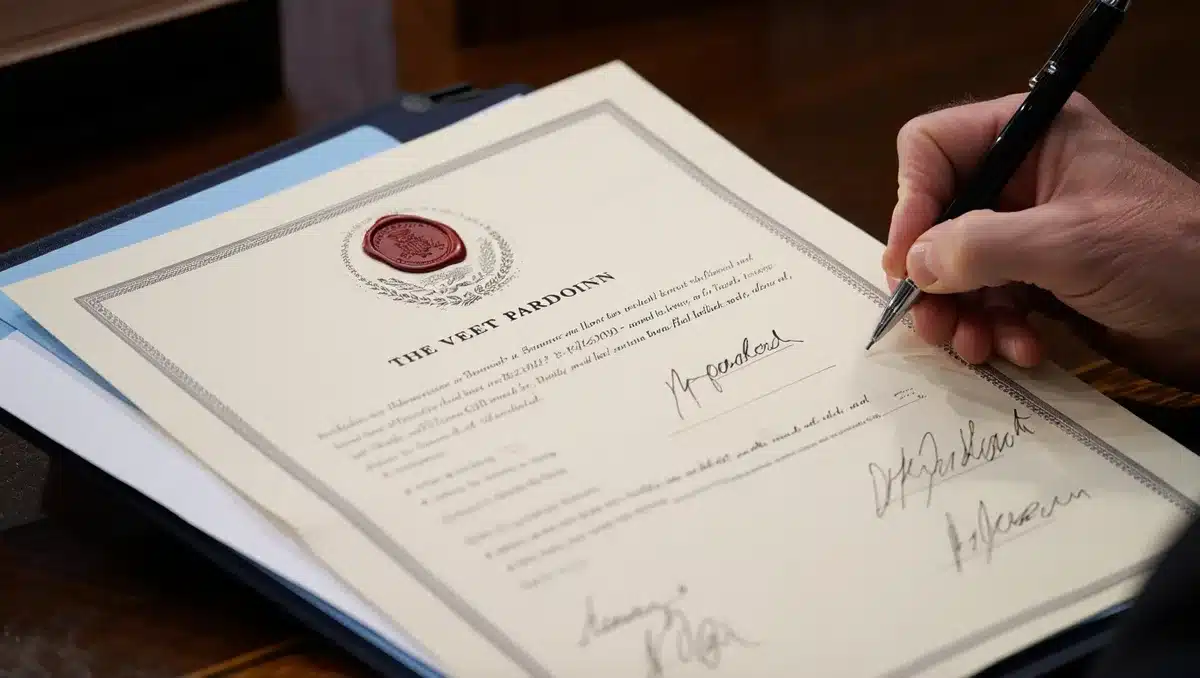
The use of an autopen device to sign the pardon has also drawn scrutiny. According to reporting on the pardon’s validity, some Republican lawmakers have suggested that the method of signature raises constitutional questions about the pardon’s enforceability.
Preemptive pardons have historical precedent in U.S. politics. President Gerald Ford pardoned Richard Nixon in 1974 for “any crimes he may have committed” while in office, according to the Constitution Center. However, that pardon applied only to conduct before it was issued, following the same legal principle now being tested in Fauci’s case.
Fauci’s situation reflects broader tensions over the politicization of COVID-19 policy. During the pandemic, Trump and his allies accused Fauci of covering up the alleged origins of the virus and overstepping his authority with mask and social distancing recommendations. Senate Republicans have continued investigating Fauci’s role in pandemic response, with Senator J.D. Vance and others pressing him on COVID policies at recent hearings. Meanwhile, some lawmakers have pursued symbolic gestures: Senator Joni Ernst presented Fauci with a “Squeal Award” in July 2026, arguing he undermined science during the pandemic.
Trump, now back in office as of the current timeline, said he “respects” Biden’s pardon of Fauci, according to The Hill. However, the pardon’s narrow scope—covering only past conduct—leaves open the possibility of future legal jeopardy if Fauci is found to have committed crimes or obstructed Congress after the pardon’s effective date.
Sources
- NPR — Biden’s statement on preemptive pardons and rationale for protecting Fauci
- Reuters — Confirmation of pardon issuance and Biden’s statements on politically motivated prosecutions
- NBC News — Fauci’s invocation of Fifth Amendment at July 29, 2026 Senate hearing
- The New York Times — Analysis of pardon scope and limitations regarding post-pardon conduct
- The Hill — Trump’s statement respecting Biden’s pardon
- Politico — Rand Paul’s call for contempt vote and Fifth Amendment implications
- Constitution Center — Historical precedent of Gerald Ford’s pardon of Richard Nixon
- BBC — Fauci’s Fifth Amendment invocation and Senate hearing details