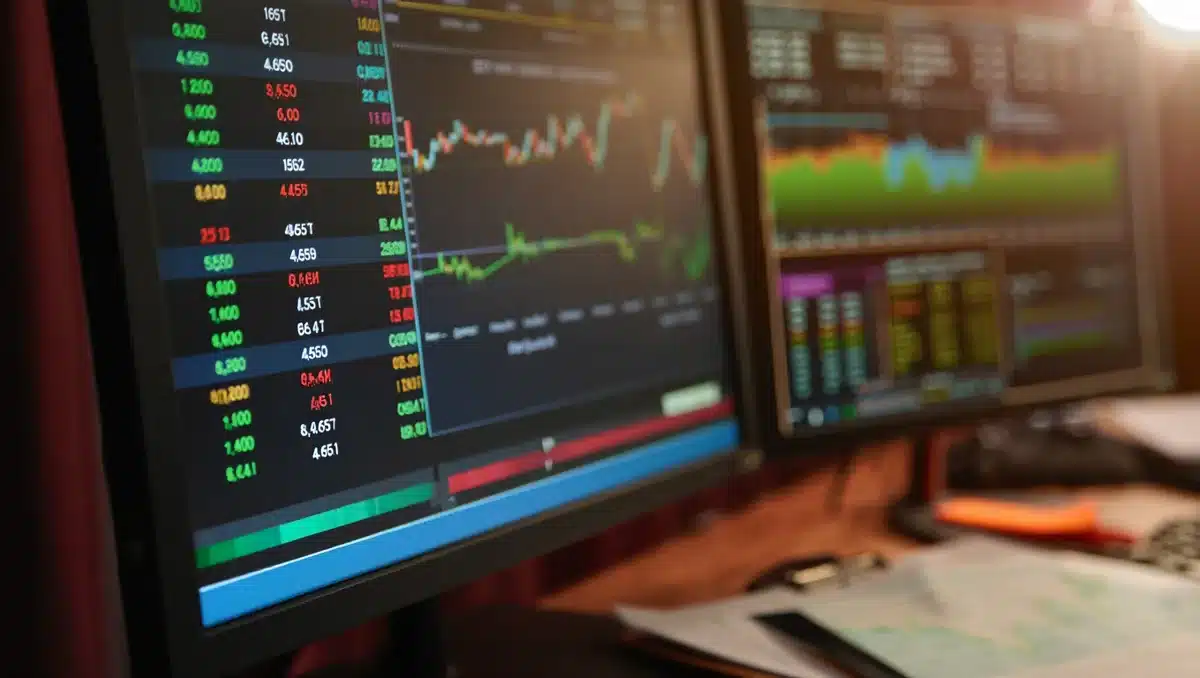
The 10-year Treasury yield rose to 4.65% on July 29, 2026, as the Federal Reserve held interest rates steady but faced internal pressure to act against persistent inflation, with three officials dissenting in favor of a rate hike.
The Fed’s policy committee voted 9-3 to maintain its benchmark federal funds rate in a range of 3.5% to 3.75%, marking the fifth consecutive meeting without a policy change. The three dissenting votes represented the most significant split at the central bank in years, underscoring growing concerns among some officials about inflation that has remained above the Fed’s 2% target for five years.
The climb in the 10-year Treasury yield reflects broader market expectations about inflation and the Fed’s path forward. Treasury yields move inversely to bond prices and rise when investors expect higher interest rates or persistent price pressures. The yield’s movement to 4.65% came as energy prices surged on renewed tensions in the Middle East, with Brent and U.S. crude oil futures jumping about 7% on the day, according to market data. Those energy shocks typically feed through to broader inflation measures, complicating the Fed’s inflation-fighting task.
Fed Chairman Kevin Warsh has signaled a more hawkish stance on inflation control than markets initially expected when he took office in June 2026. Earlier in July, when inflation data showed a sharp slowdown, Warsh cautioned against premature optimism. “It’s one data point,” he told lawmakers after the June Consumer Price Index report, adding that he was not ready to declare “mission accomplished.” That cautious tone, combined with the dissents at the July meeting, suggests internal debate is intensifying over whether the Fed’s current holding pattern is sustainable.
The dissents carry particular weight because they signal that a minority of the Fed’s policy committee believes the central bank should already be raising rates to combat inflation. The last time the Fed faced such a notable split was in April 2026, when four officials dissented. The July dissent shows the pressure building inside the central bank as officials grapple with conflicting economic signals: weakening labor market data, resilient consumer spending, and energy-driven inflation risks tied to the ongoing conflict with Iran.
The 10-year Treasury yield serves as a benchmark for mortgage rates, auto loans, and other consumer borrowing costs. The rise to 4.65% reflects bond market expectations that the Fed may eventually need to raise rates later in 2026 if inflation does not cool. Markets are divided on whether a hike will occur, with some analysts expecting it as soon as December if price pressures persist.
Sources
- Trading Economics — confirmed the 10-year Treasury yield rose to 4.65% on July 29, 2026
- Wall Street Journal — reported the Fed held rates steady on a 9-3 vote with three officials dissenting in favor of a rate increase
- CNN — provided context on Fed Chairman Warsh’s cautious inflation stance and geopolitical tensions driving energy prices
- Reuters — reported on gold and oil price movements tied to inflation expectations ahead of the Fed decision
- CNBC — detailed the 10-year Treasury yield movement and its relationship to mortgage rates and inflation expectations