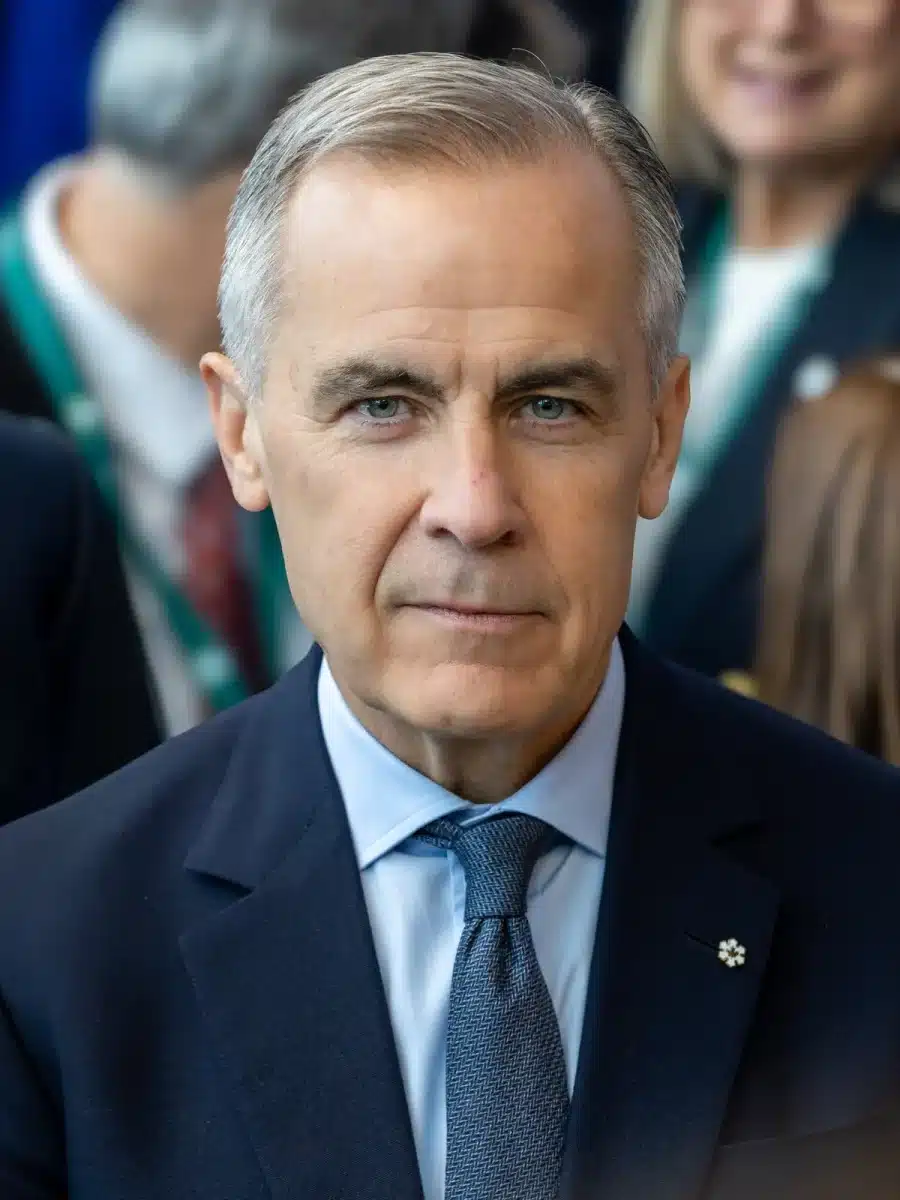
Prime Minister Mark Carney said Canada will retaliate if President Donald Trump’s 50% tariffs on Canadian goods take effect on August 19, warning that “everything is on the table” when it comes to defensive measures. Trump announced the tariffs on July 20, citing what the White House described as Canadian discrimination against American motor vehicles, dairy, and alcohol.
Carney made his retaliation warning on July 23 following a meeting with Canada’s 13 provincial premiers in Charlottetown, Prince Edward Island. “We are intensifying our trade negotiations with the United States and will not hesitate to defend our interests if we have to,” he told reporters, describing the U.S. measures as unwarranted. “If these tariffs or other measures come into force there’s a full range of things that we can do,” Carney said, though he declined to specify what those options are, calling it “counterproductive” to detail reprisals while negotiations remain active.

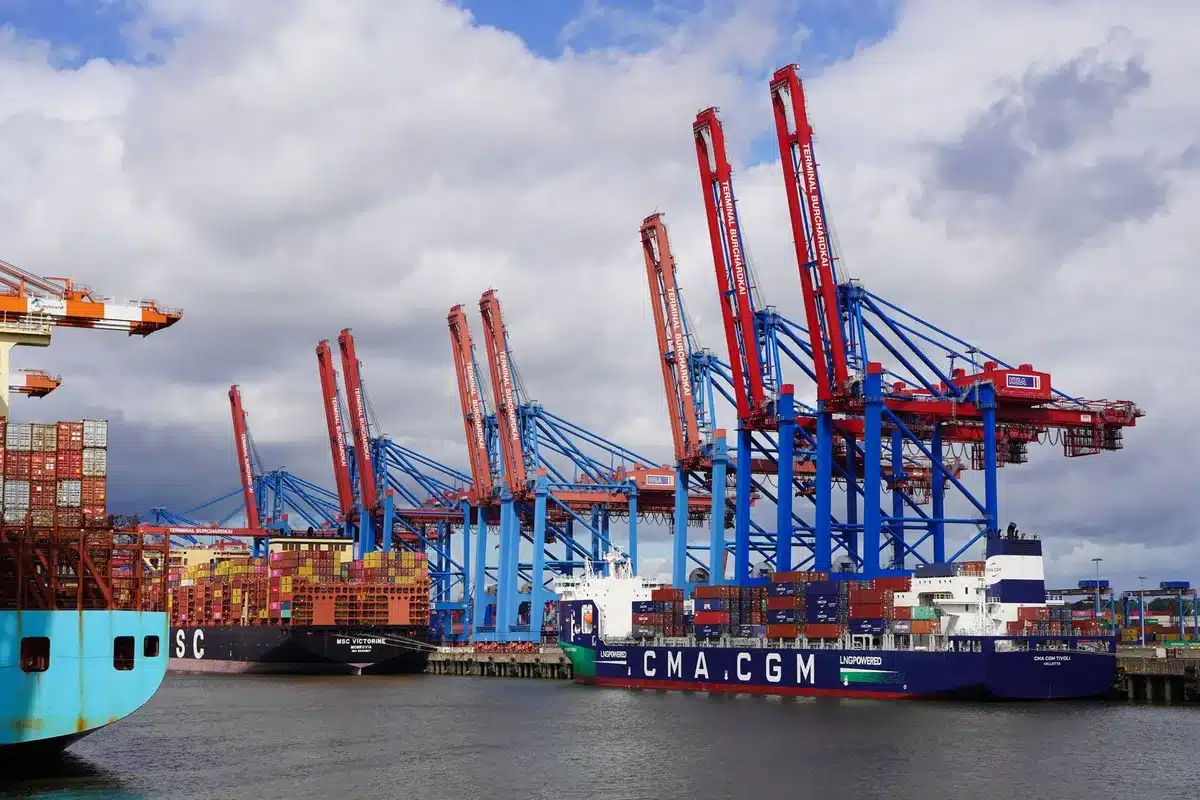
The tariffs target over $20 billion worth of Canadian exports, including alcohol, electronics, hockey sticks, and goods that currently qualify for tariff-free treatment under the United States-Mexico-Canada Agreement (USMCA). The threat has split Canada’s provincial leaders on how aggressively to respond. Ontario Premier Doug Ford called for matching the U.S. tariffs “dollar for dollar,” while British Columbia Premier David Eby suggested restricting American access to critical minerals like copper, zinc, and aluminum. Alberta Premier Danielle Smith, however, opposed using oil as leverage, warning that such a move could backfire if the U.S. cut off the Line 5 pipeline that supplies energy to Ontario and Quebec.
Canada has precedent for retaliatory tariffs. In early 2025, when Trump imposed initial tariffs on Canadian goods, Prime Minister Justin Trudeau’s government responded with 25% tariffs on $30 billion in U.S. goods, later expanding to $155 billion worth of American products. Those tariffs targeted goods ranging from orange juice and peanut butter to wine, spirits, and steel, according to congressional records.
Carney, who became prime minister in 2025 after a career in central banking and finance, holds a bachelor’s degree in economics from Harvard University and advanced degrees from Oxford. He previously served as governor of the Bank of Canada and head of the Bank of England. A July 2026 Angus Reid poll found that 62% of Canadians support retaliatory tariffs, though they are divided over whether to match the U.S. dollar for dollar (34%) or respond more selectively (28%). Confidence in Carney’s negotiating team has slipped since spring, dropping from 51% in April to 43% in July, according to the same poll.
Trump and Carney agreed this week to intensify bilateral trade talks, with Trump indicating that parts of a renewed trade deal could extend toward year-end. However, the U.S. is negotiating with Canada and Mexico on separate tracks, and Washington has signaled it is making more progress with Mexico, raising the risk that the U.S. might seek concessions from Canada that Mexico agrees to.
Sources
- CBC News — Carney’s July 23 statement that retaliation is being considered and that “everything is on the table” if no deal is reached by August 19
- Reuters — Carney’s quote that Canada “will do whatever it takes” to defend itself and that “everything’s on the table if there’s no agreement”
- Angus Reid Institute — Poll data showing 62% of Canadians support retaliatory tariffs and confidence in Carney’s negotiating team
- Wiley Law — Confirmation that Trump invoked Section 232 on July 20, 2026, to impose 50% tariffs on Canadian goods effective August 19, 2026
- Congressional Research Service — Canada’s 2025 retaliatory tariffs of 25% on $30 billion of U.S. goods, including specific product categories
- Wikipedia — Mark Carney’s background as economist with degrees from Harvard and Oxford, and prior roles at Bank of Canada and Bank of England