Republicans are intensifying their outreach to Gen Z voters through a growing network of social media influencers ahead of the 2026 midterms, building on the party’s success in reaching young people during the 2024 election cycle. Nearly 50 million Gen Z members will be eligible to vote this November, making them a critical constituency for both parties.
The Republican strategy centers on leveraging nontraditional media and content creators rather than relying solely on traditional campaign messaging. After Trump’s 2024 campaign made significant inroads with young voters—particularly young men—through podcasts and influencer partnerships, Republicans are doubling down on this playbook for the midterms.
According to CNN’s analysis of the political influencer landscape, Trump’s success in 2024 came partly from his willingness to appear on comedy and lifestyle podcasts where he discussed personal stories and cultural topics rather than pure politics. This approach resonated with audiences who might not engage with traditional political content. “President Trump would go on podcasts like Theo Von and Andrew Schultz, and he wouldn’t talk about politics. He would talk about his cool stories from being the king of Manhattan,” said CJ Pearson, a conservative influencer who has built a significant following discussing political issues.
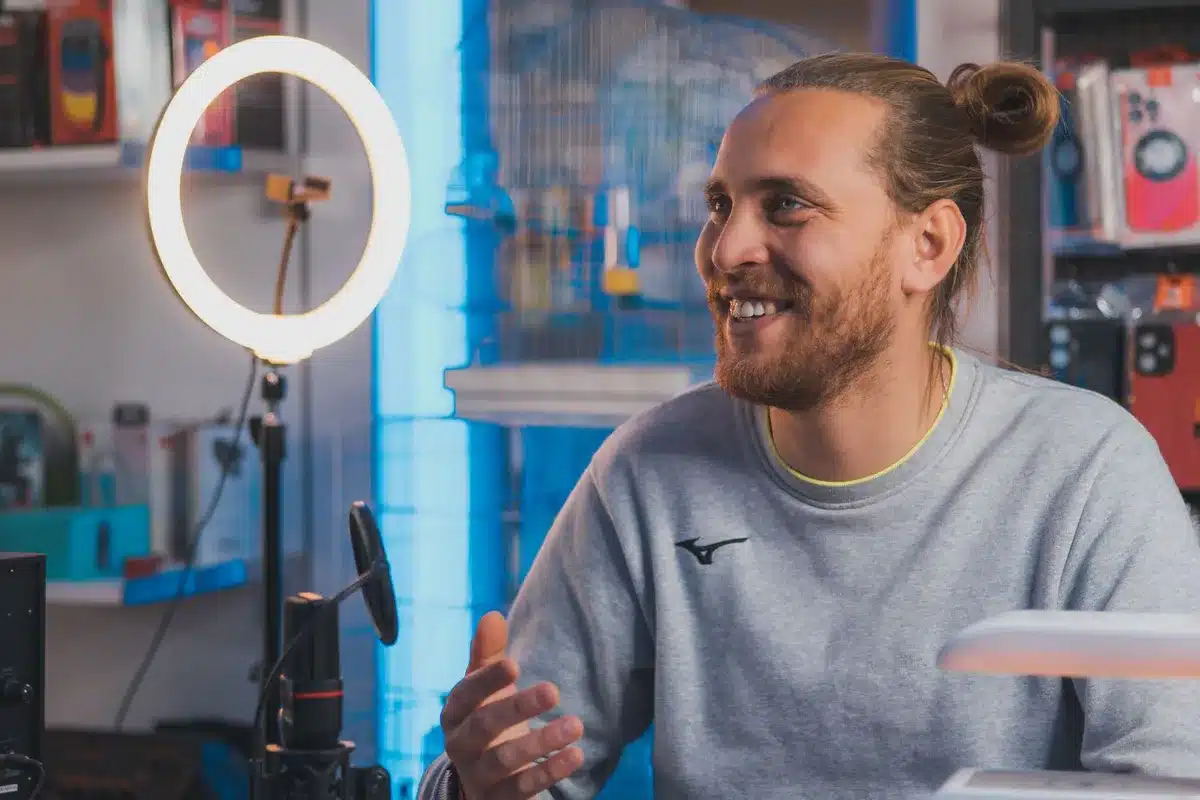
Meanwhile, Democrats are expanding their influencer operations, though analysts say they remain behind Republicans in this space. “Whether we like it or not, influencers are not going away, and they play a big, big role in how we make sense of politics,” said Jess Rauchberg, a Seton Hall University professor who studies digital culture. “I think at this point we can say influencers also sell us politics.”
The influencer economy supporting political campaigns has grown dramatically, but it operates with minimal regulation and transparency. Campaigns typically contract with creators or their management companies to produce “deliverables”—social media posts, event appearances, or videos—but payment structures vary widely. Some influencers receive flat fees, others work on performance-based arrangements, and many are bound by nondisclosure agreements that prevent them from revealing how much they earned or who paid them.
Maria Comstock, a Gen Z creator with roughly 2 million followers across TikTok and Instagram, recounted how a pro-Kamala Harris PAC paid her through a prize structure where winning “best messaging” or “most views” against other creators earned $2,500. She noted that she sometimes does not disclose paid work, arguing that when campaigns do not dictate the script, disclosure feels unnecessary. Harry Sisson, another prominent political influencer with 2 million TikTok followers who supports Democrats, revealed that one Planned Parenthood campaign paid him $800 for a post, though several of his deals are subject to nondisclosure agreements.
Saurav Ghosh, director of federal campaign finance reform at Campaign Legal Center, highlighted the lack of guardrails. “The lack of a clear legal requirement means that influencers are sometimes going to provide a disclaimer about being paid, and sometimes they’re not,” he said. “So voters who are seeing that kind of content are left to fend for themselves as far as transparency goes.”
Both parties recognize that success with Gen Z requires authenticity and platform-native content. Lauren Kapp, a veteran of the Harris campaign who now runs Luminary Strategies, a Gen Z-led digital firm, emphasized that Democrats need to expand beyond political-only creators. “There’s an over index on the left on focusing on content creators that only cover politics,” she said. “It’s important for us to have people who are talking about culture and lifestyle have a seat at the table as well.”
The shift reflects how young voters consume information. According to Tufts University’s Center for Information and Research on Civic Learning and Engagement, nearly 50 million Gen Z members are eligible to vote in 2026. Research shows that social media is a primary source of political information for this demographic, and influencers—whether discussing politics directly or embedding political messages within lifestyle content—shape how young people understand and engage with elections.
The Republican advantage in this space stems partly from their earlier adoption of influencer strategies and their focus on creators who discuss culture broadly rather than politics narrowly. As both parties compete for Gen Z support heading into the midterms, the influencer economy is likely to expand further, though questions about transparency, authenticity, and the long-term effects of algorithm-driven political persuasion remain largely unresolved.
Sources
- CNN — detailed reporting on Gen Z political influencers, payment structures, and the 2024 Republican influencer strategy
- Tufts University Center for Information and Research on Civic Learning and Engagement — data on Gen Z eligible voters and political engagement
- Campaign Legal Center — analysis of campaign finance transparency issues in influencer payments
- Seton Hall University — expert commentary on the role of influencers in political discourse