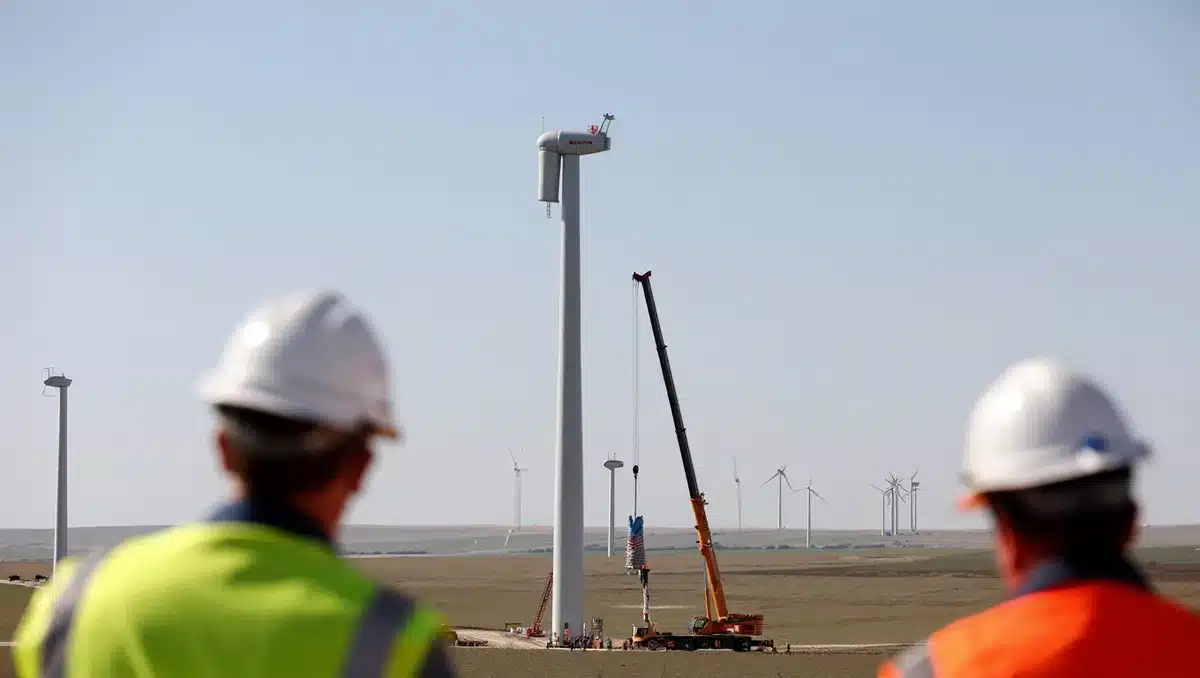
The U.S. is on track to add more than 50 gigawatts of wind power capacity through 2030 as construction surges, according to Wood Mackenzie’s latest market analysis. Construction starts jumped 8 percent year-over-year in the first quarter of 2026, prompting the research firm to raise its five-year wind capacity forecast in July 2026.
The acceleration reflects developers racing to secure federal tax credits before a critical deadline. Wind and solar projects must begin construction by July 4, 2026, to qualify for investment tax credits covering 30 percent or more of their costs, according to federal rules enacted in 2025. The rush to meet this deadline has intensified activity across the U.S. wind industry in the first half of 2026.
Capacity additions are expected to climb sharply this year. The U.S. Energy Information Administration forecasted in February 2026 that wind capacity additions could reach 11.8 gigawatts in 2026, more than double the capacity added in 2025. This acceleration sets the stage for sustained growth through the remainder of the decade, with GE Vernova turbine supply already sold out through 2030 as AI demand surges, signaling tight equipment availability for the sector.
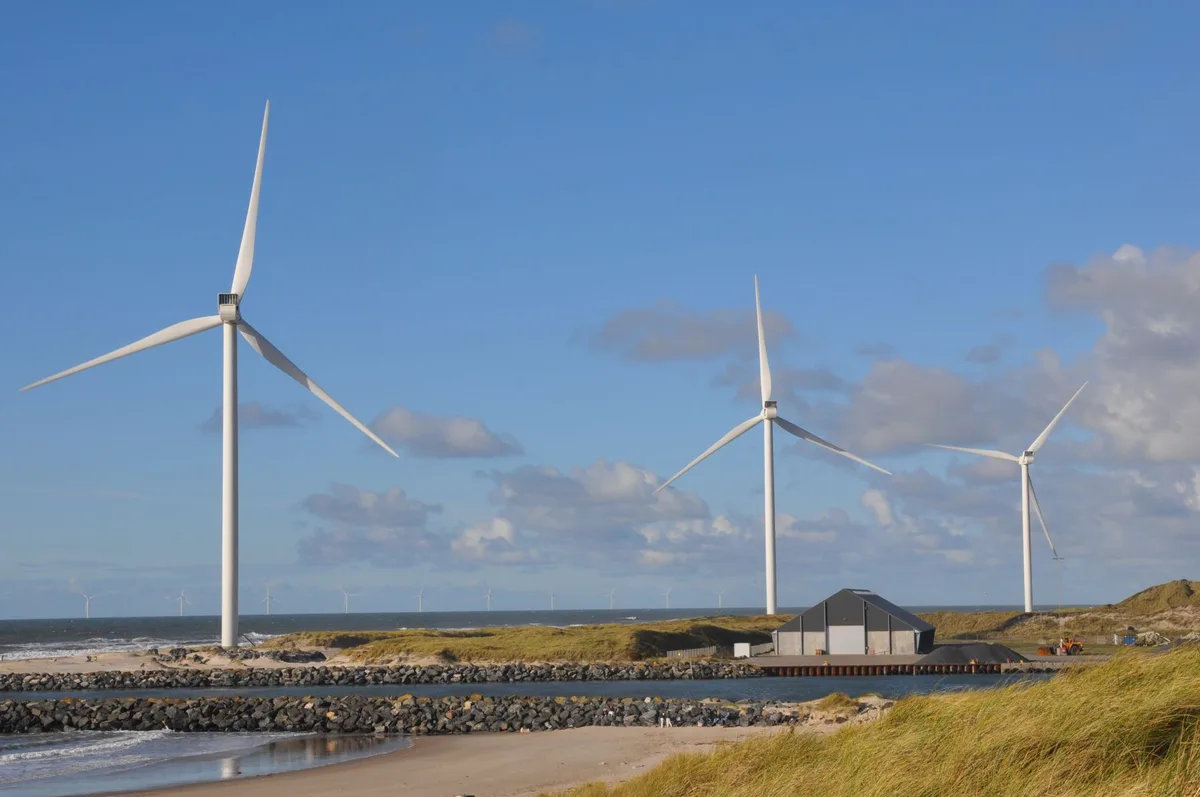
The U.S. wind industry’s growth mirrors a global surge. In 2025, the world added a record 165 gigawatts of new wind capacity—40 percent more than in 2024—with 28,395 wind turbines installed globally, according to the Global Wind Energy Council. This record-breaking year demonstrated the sector’s capacity to accelerate deployment when market conditions align.
Cost pressures remain elevated, with turbine prices running 22 percent higher than early 2022 levels, according to Wood Mackenzie. Despite these headwinds, the combination of federal tax incentives, a robust project pipeline, and improving execution visibility is driving developers to commit resources now. The surge reflects confidence that projects can be completed within the four-year window after construction begins, allowing them to claim the full value of the tax credits.
The construction acceleration carries implications for the broader power sector. Power grid emergency measures expand to 17 states amid heat wave, underscoring the need for additional generation capacity. Wind’s rapid growth is expected to help meet rising electricity demand driven by data center expansion and electrification trends across the economy.
Looking ahead, the 50-gigawatt forecast through 2030 represents a significant step toward long-term renewable energy goals. Offshore wind capacity is also expected to grow, rising from 1 gigawatt to 9.7 gigawatts by the end of 2030, according to recent projections. The combination of onshore and offshore additions positions wind as a cornerstone of U.S. electricity generation expansion in the coming years.
Sources
- Wood Mackenzie — 50+ GW wind capacity forecast through 2030, 8% construction start increase in Q1 2026, turbine price data
- U.S. Energy Information Administration — 11.8 GW wind capacity additions forecast for 2026
- Federal Energy Resources — July 4, 2026 tax credit deadline and 30% cost coverage details
- Global Wind Energy Council — 165 GW global wind capacity additions in 2025, 40% year-over-year increase
- Wind Tech International — Offshore wind capacity projections to 9.7 GW by 2030