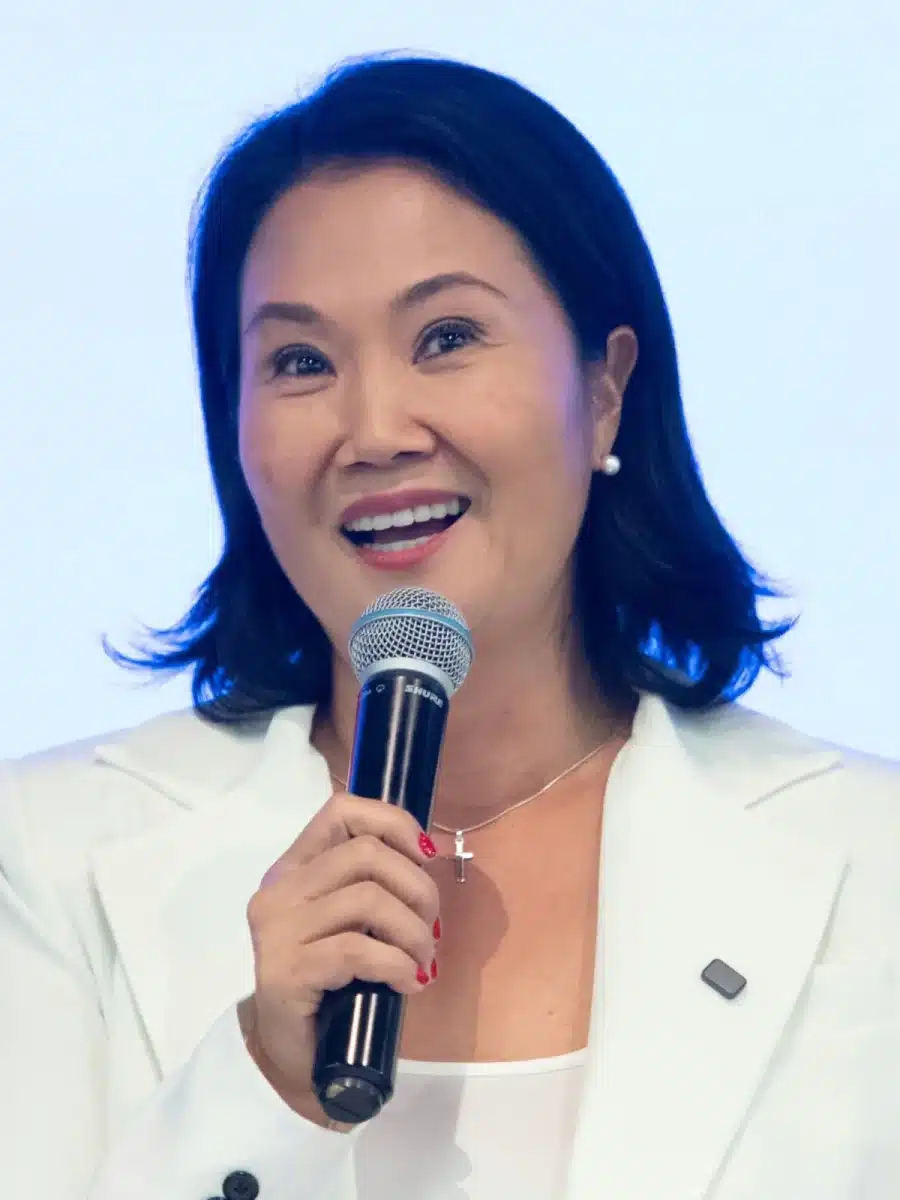
Keiko Fujimori was sworn in as Peru’s president on July 28, becoming the country’s first female head of state elected by popular vote after a narrow victory in June’s runoff. The 51-year-old conservative defeated leftist congressman Roberto Sánchez by fewer than 50,000 votes, marking her first presidential victory after three previous failed bids. She takes office as Peru’s 10th president since 2016, joining a string of recent Latin American leaders elected on tough-on-crime platforms amid voter frustration over security crises and political instability.
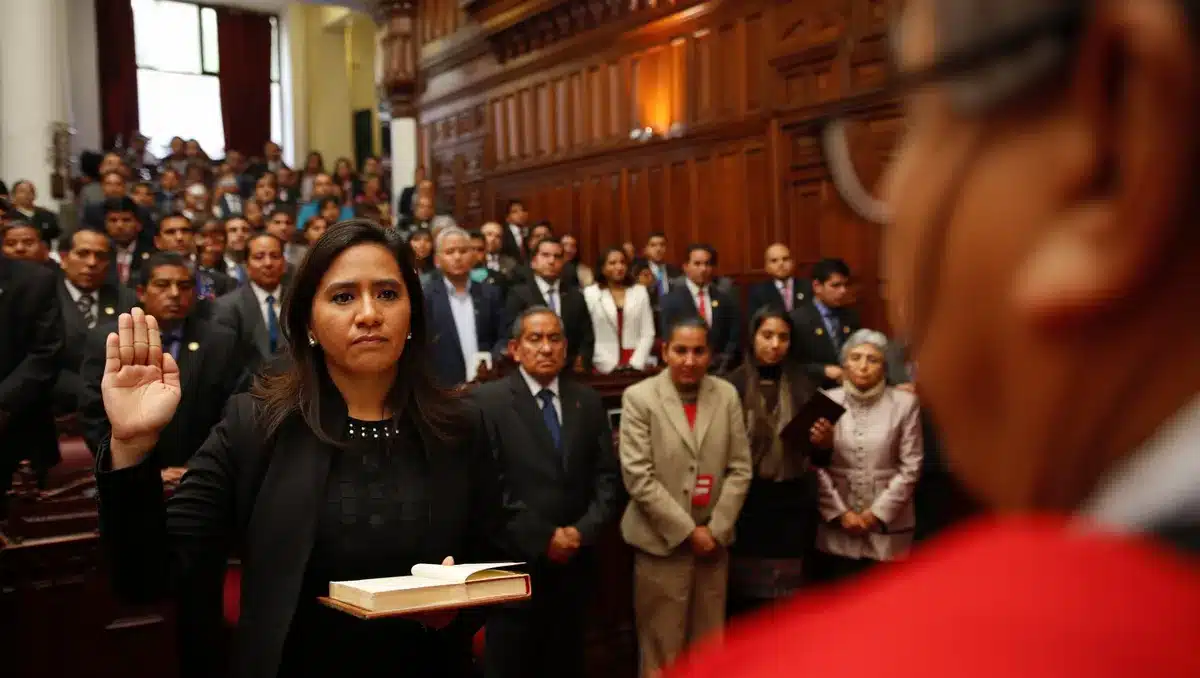
Fujimori’s campaign centered on law and order as Peru faces its worst security crisis in decades, with extortion and contract killings driven by local and foreign criminal gangs. During her inauguration ceremony at Congress in Lima, she pledged to tackle crime with an “iron fist,” proposing measures including a mega-prison modeled on El Salvador’s Cecot facility, anonymous judges for criminal trials, deportations of undocumented migrants, and requiring prisoners to work for their food. In her inaugural address, she called for reconciliation after the close election and promised to cut unnecessary spending, improve the business climate, and raise the minimum wage.
Fujimori’s victory marks the return of one of Peru’s most polarizing political dynasties. She is the daughter of former President Alberto Fujimori, who ruled Peru during the 1990s and is credited by supporters with defeating the Shining Path, a Maoist rebellion, and bringing hyperinflation under control. However, her father was later convicted of corruption and crimes against humanity for abuses committed during his government’s campaign against armed groups and served 16 years in prison. That legacy helped propel Keiko Fujimori to victory, but it also fuels concerns among critics who fear a return to authoritarian tactics.
Fujimori entered public life at just 19 years old in 1994, when her father appointed her as Peru’s first lady after a public split with her mother. She later became a congresswoman in 2000 and founded her Fuerza Popular (Popular Force) party, which has been at the center of Peruvian politics for decades. Her election extends a broader rightward shift across Latin America, with U.S. Deputy Secretary of State Christopher Landau attending her inauguration and meeting with her ahead of the ceremony. Fujimori has expressed interest in Peru joining the “Shield of the Americas,” a regional initiative proposed by U.S. President Donald Trump to combat transnational crime.
Fujimori’s Fuerza Popular is the largest bloc in Congress, but her party and its main right-wing ally hold only about half the seats in the newly installed Senate, falling short of the majority needed to push through her full agenda. Opposition groups walked out of Congress during her inauguration speech and have urged her to reverse recent laws they say have weakened efforts to tackle organized crime. On the eve of her inauguration, relatives of victims of state violence gathered in Lima to reject her incoming government, demanding justice for abuses committed under her father’s administration.
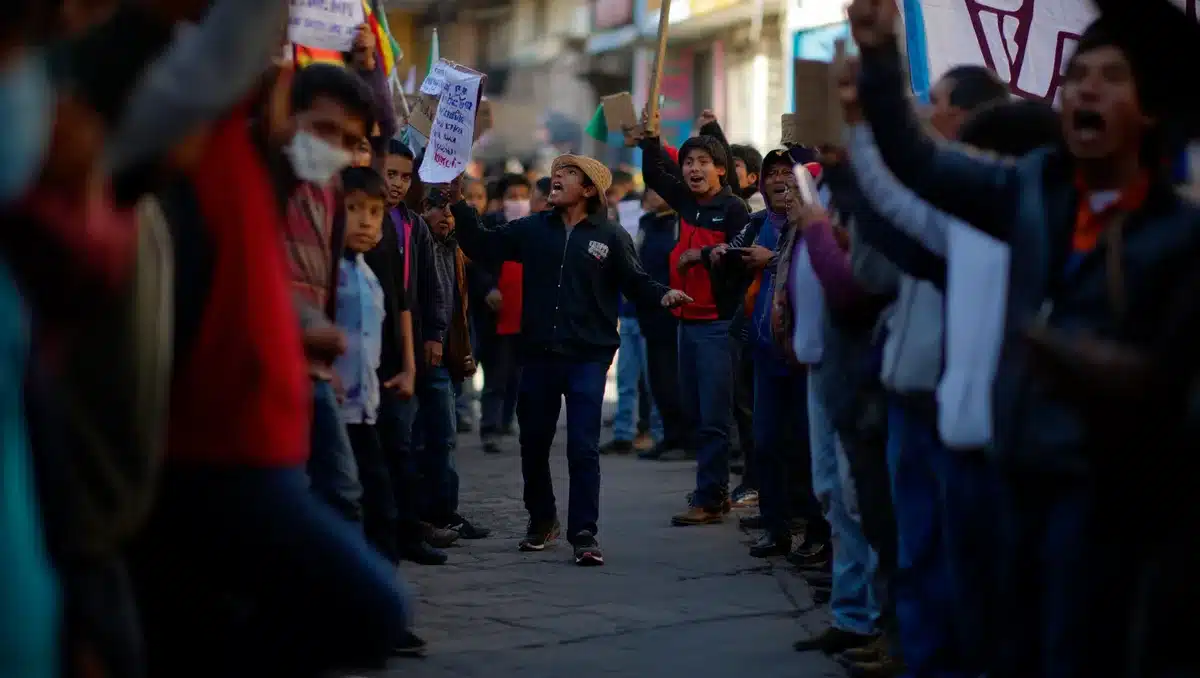
Peru’s political instability has become entrenched over the past decade. The country has cycled through nine presidents since 2016, with many resigning or being removed from office before completing their terms. When Pedro Castillo’s presidency ended in late 2022, it triggered widespread protests and civil unrest. Political analyst Jeffrey Radzinsky noted that Fujimori “has to build confidence among a broad segment of the population that distrusts her, while also meeting high expectations,” and that “there won’t be much room for a honeymoon period.” Despite the political turbulence, Peru has remained one of Latin America’s more resilient economies, largely driven by copper exports, with the central bank recently raising its 2026 growth forecast to 3.4%.
Sources
- Al Jazeera — Keiko Fujimori’s inauguration as Peru’s president, her narrow election victory, crime-focused platform, her father’s legacy, and opposition concerns
- Reuters — Fujimori as Peru’s first elected female president, her narrow victory margin, her role as Peru’s 10th president since 2016, her economic and crime agenda, congressional dynamics, and broader Latin American rightward shift
- Council on Foreign Relations — Peru’s presidential instability pattern of nine presidents in a decade
- Insight Crime — Fujimori’s crime policy proposals including security patrols and police technology
- Americas Quarterly — Context on Peru’s political instability and Fujimori’s policy challenges