SK Hynix is set to report second-quarter 2026 earnings on July 29, with analysts forecasting revenue near 84 trillion won and an operating margin that could reach 77%, driven by surging demand for AI memory chips used in data center systems.
The earnings announcement arrives as SK Hynix’s first quarterly report since its record-breaking $26.5 billion Nasdaq debut on July 10, 2026, the largest initial U.S. share sale by a foreign company. The timing carries significant weight: the company must demonstrate that the AI memory boom remains strong enough to justify the valuation investors assigned during its listing.
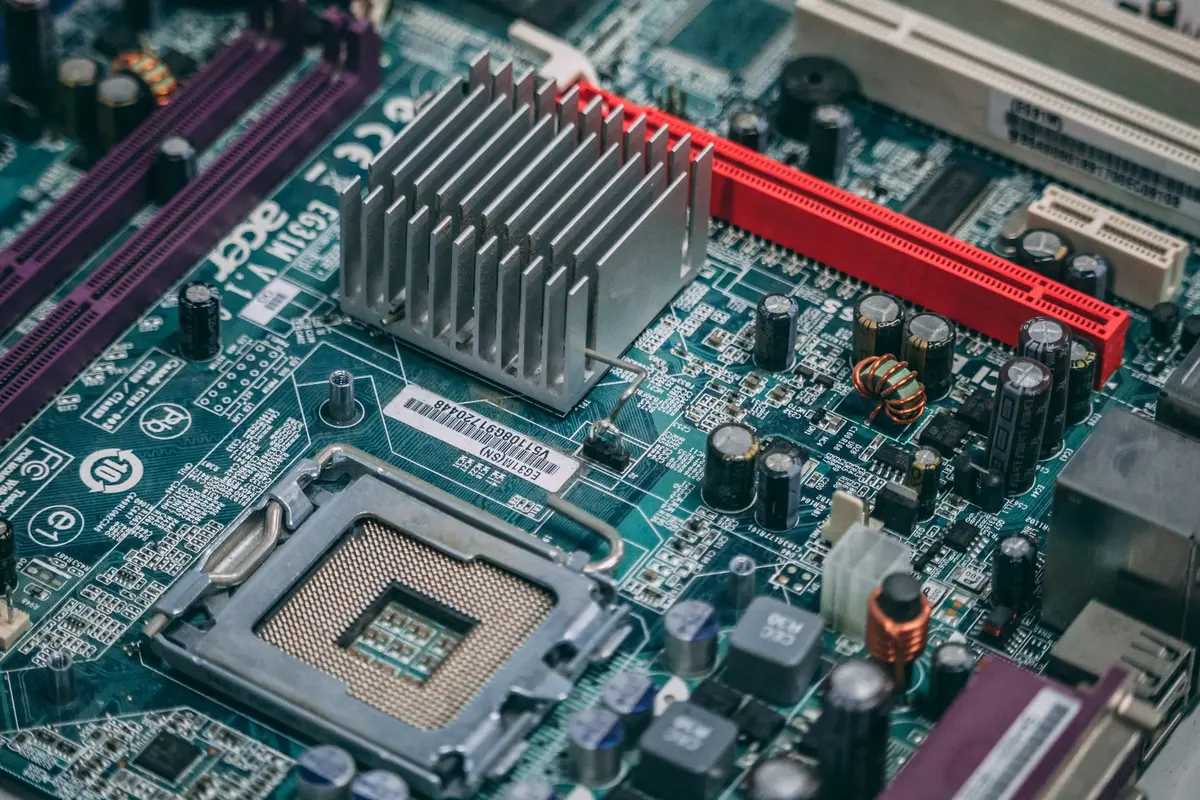
SK Hynix’s Q1 2026 results set a high bar. The company reported record revenue of 52.6 trillion won and operating profit of 37.6 trillion won, up 198% and 405.5% year-over-year respectively, driven entirely by AI infrastructure demand. An operating margin of 72% in that quarter already exceeded peers like TSMC and Micron, a sign of how tight the market for high-bandwidth memory (HBM) has become.
The product driving this surge is HBM—specialized memory designed for AI servers. SK Hynix holds a commanding position: Nvidia has allocated approximately 70% of its HBM4 demand for 2026 to SK Hynix, according to industry reports, cementing the South Korean chipmaker’s role as the critical supplier for the world’s leading AI infrastructure builder. Bank of America estimates the 2026 HBM market at $54.6 billion, up 58% year-over-year.
Yet the path to these Q2 results has been volatile. A mid-July semiconductor selloff sent the Philadelphia Semiconductor Index down nearly 10% in one week, with memory stocks hit particularly hard. The market’s concern was not about demand destruction but about valuation discipline—whether customers could sustain the steep prices SK Hynix can now command. SK Hynix’s new Nasdaq-listed shares also traded at a premium to Seoul-listed shares, adding complexity to the stock’s recent moves.
SK Hynix’s own leadership has offered a sobering long-term view. CEO Kwak Noh-jung warned on July 10 that 2027 will be the worst-ever memory shortage year, with demand continuing to exceed production capacity well into the next decade. The company plans to double its memory wafer capacity within five years to address the supply crunch. This shortage backdrop gives SK Hynix pricing power today but also signals that relief will be slow and expensive to achieve.
The AI data center market is consuming roughly 70% of all high-end memory chips produced in 2026, according to TrendForce, leaving little room for error in supply forecasting. SK Hynix has already sold out its entire 2026 production capacity, a sign that demand continues to exceed supply at current prices. Analyst estimates suggest that HBM could account for 30% of DRAM wafer input by 2027, a dramatic shift that underscores how thoroughly AI infrastructure buildout is reshaping the memory industry.
The Q2 earnings will test whether the AI memory supercycle can sustain the margins and growth rates that drove SK Hynix’s Nasdaq valuation. Alphabet’s announcement this week that it is raising capital expenditure guidance to $195 billion to $205 billion for 2026 provided some reassurance to the sector, signaling continued aggressive AI investment. Yet investors remain attuned to signs of demand moderation or price pressure from customers negotiating long-term supply agreements rather than spot purchases.
Sources
- Startup Fortune — SK Hynix Q2 2026 earnings preview, analyst revenue and margin forecasts, Nasdaq debut context, and market volatility analysis
- PR Newswire — SK Hynix Q1 2026 financial results: revenue, operating profit, and net profit figures
- Reuters — SK Hynix CEO warning on 2027 memory shortage and demand outlook through 2030
- Wall Street Journal — SK Hynix Q1 2026 record profit and AI demand drivers
- Tom’s Hardware — SK Hynix 2027 worst-year memory shortage forecast and HBM supply dynamics
- Motley Fool — Bank of America HBM market size estimate and SK Hynix positioning
- TrendForce — AI data center memory consumption share and HBM market growth analysis