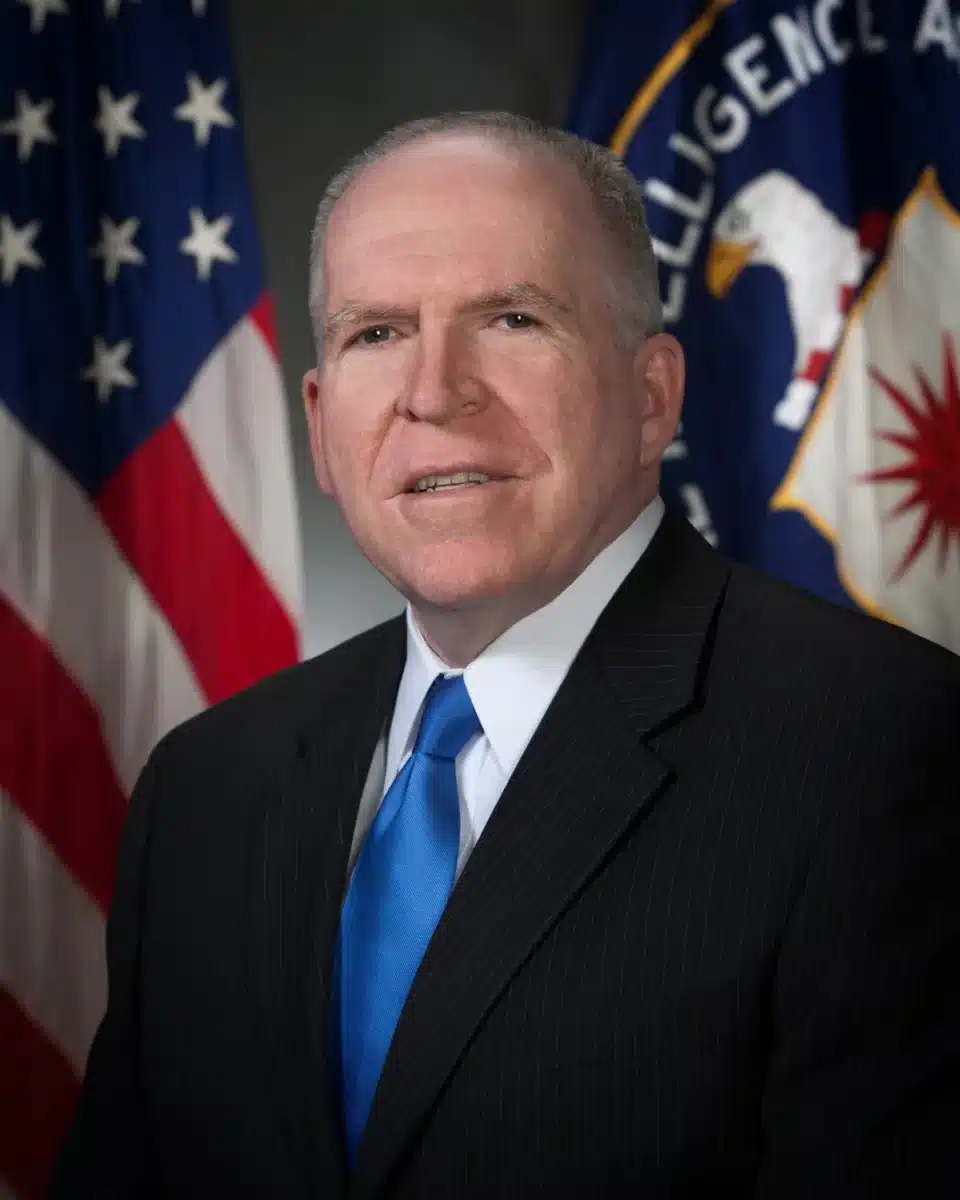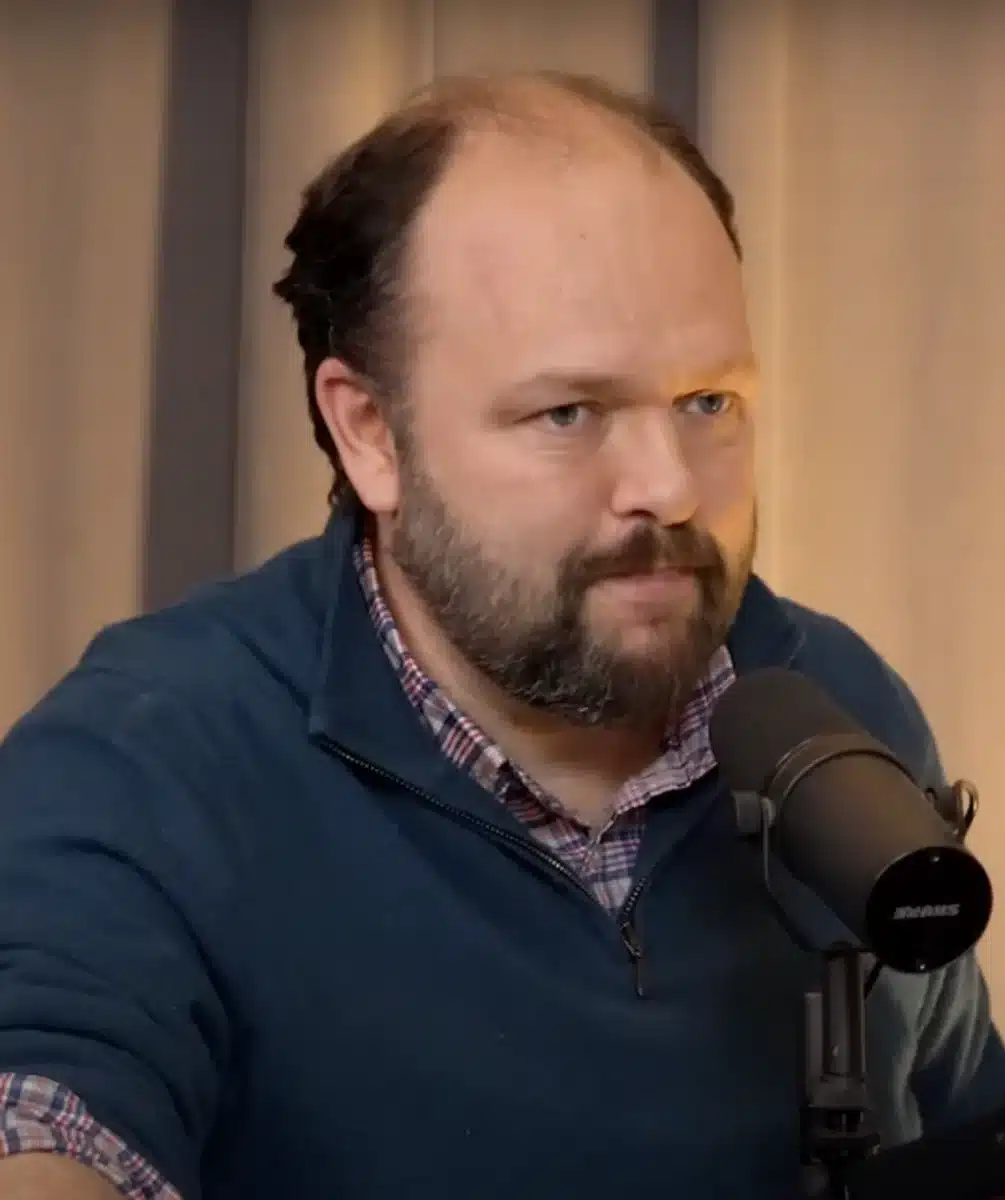
New York Times Opinion columnist Ross Douthat argues in his latest column that Vice President JD Vance maintains a decisive advantage over Secretary of State Marco Rubio in the race to succeed President Trump in 2028, despite Rubio’s recent gains in polling and betting markets.
In the column published July 25, 2026, Douthat contends that while Rubio has “crept up on Vance in a new 2028 New Hampshire primary poll and sits not that far below the vice president in betting markets,” the vice president’s position remains fundamentally stronger. A University of New Hampshire poll released July 22 showed Rubio surging to 26 percent, up from 7 percent in a prior survey, while Vance held the top position at 38.7 percent, according to RealClearPolling.

Douthat’s core argument addresses a persistent question about Vance’s political standing: whether Trump has grown skeptical of his vice president because of Vance’s initial opposition to the Iran war. The columnist asserts there is no evidence supporting that concern, suggesting Vance’s position has not been damaged by his earlier stance on foreign policy.
The Vance-Rubio succession question has dominated Republican politics throughout 2026. Trump has publicly floated the idea of the two running together on a 2028 ticket, though he has also repeatedly praised Rubio’s work as secretary of state. In betting markets tracked by multiple outlets, the two candidates have traded leads. As of late June, Vance held roughly 18 percent odds on prediction markets, with Rubio close behind at 18 percent as well, according to reporting on the Kalshi platform.

The race reflects deeper ideological and stylistic differences between the two men. Vance, as sitting vice president, carries the weight of administration policy decisions, particularly on deportations and foreign intervention. Rubio, as secretary of state, has accumulated significant authority in Trump’s administration and has traveled frequently with the president, building a separate power base. Aides to Rubio have noted that he has repeatedly said he would defer to Vance should the vice president choose to run, though such public declarations do not necessarily determine the outcome of a contested nomination fight.
Douthat’s analysis comes as the 2028 race is taking clearer shape, with both candidates positioning themselves for what could be a significant test of Trump’s influence over his party’s future. The New Hampshire primary, where Rubio’s recent surge has been most pronounced, traditionally plays an outsized role in determining momentum early in Republican nomination contests. Vance’s continued lead in that state and in national betting markets suggests that despite Rubio’s momentum, the vice president retains structural advantages that may prove difficult for his rival to overcome.
Sources
- New York Times — Douthat’s July 25, 2026 column “Why Vance Still Trumps Rubio” and its core argument about Vance’s advantage
- Fox News — New Hampshire primary poll showing Rubio rising to 26 percent, up from 7 percent
- RealClearPolling — University of New Hampshire Survey Center poll data showing Vance at 38.7 percent, Rubio at 24.7 percent
- CNBC — Reporting on prediction market odds showing Rubio’s odds on Kalshi platform
- PBS News Hour — Rubio’s deference statements and the two candidates’ different approaches to foreign policy