More than 27,500 NIPSCO customers lost power in northwest Indiana on July 27 as severe storms with wind gusts exceeding 60 mph swept through the region, causing widespread damage to the utility’s infrastructure.
The outages began Monday evening and continued into Tuesday morning as crews worked to restore service. According to NIPSCO, the majority of outages were concentrated in Crown Point, Indiana, though the blackout affected multiple communities across the service area.
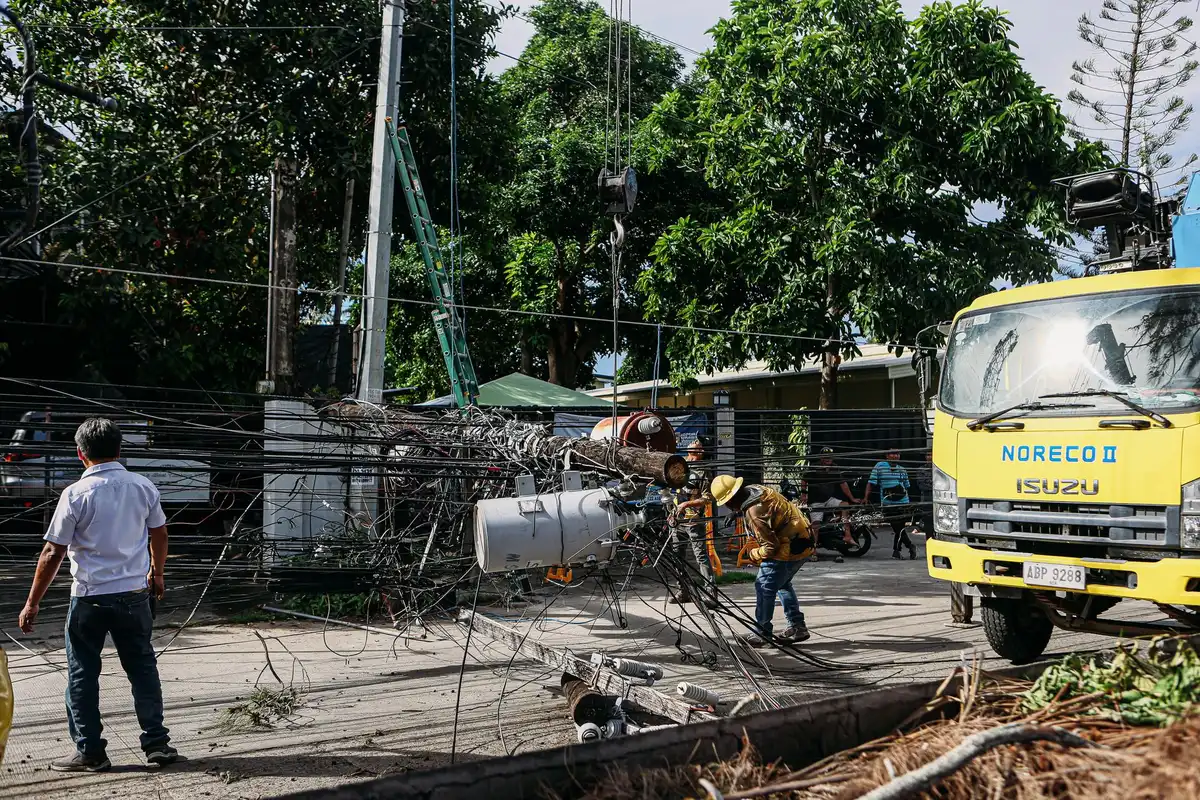
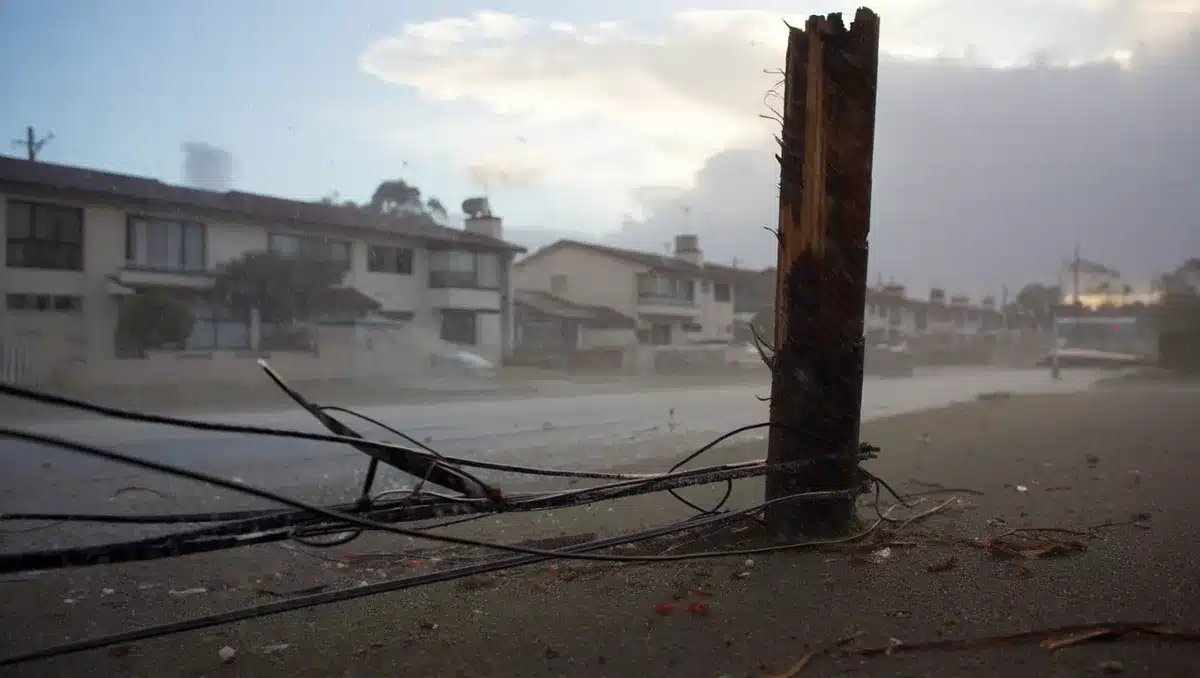
In St. John, Indiana, homeowners reported downed power poles that forced road closures for hours, leaving nearby businesses and homes without electricity. The severe weather also brought heavy rain and hail to the region.
The high winds responsible for the outages were caused by what meteorologists call a “wake low”—a rapid drop in atmospheric pressure that occurs behind a weakening thunderstorm complex. This phenomenon can produce straight-line winds as damaging as those from a derecho, downing trees and snapping utility poles across a broad area.
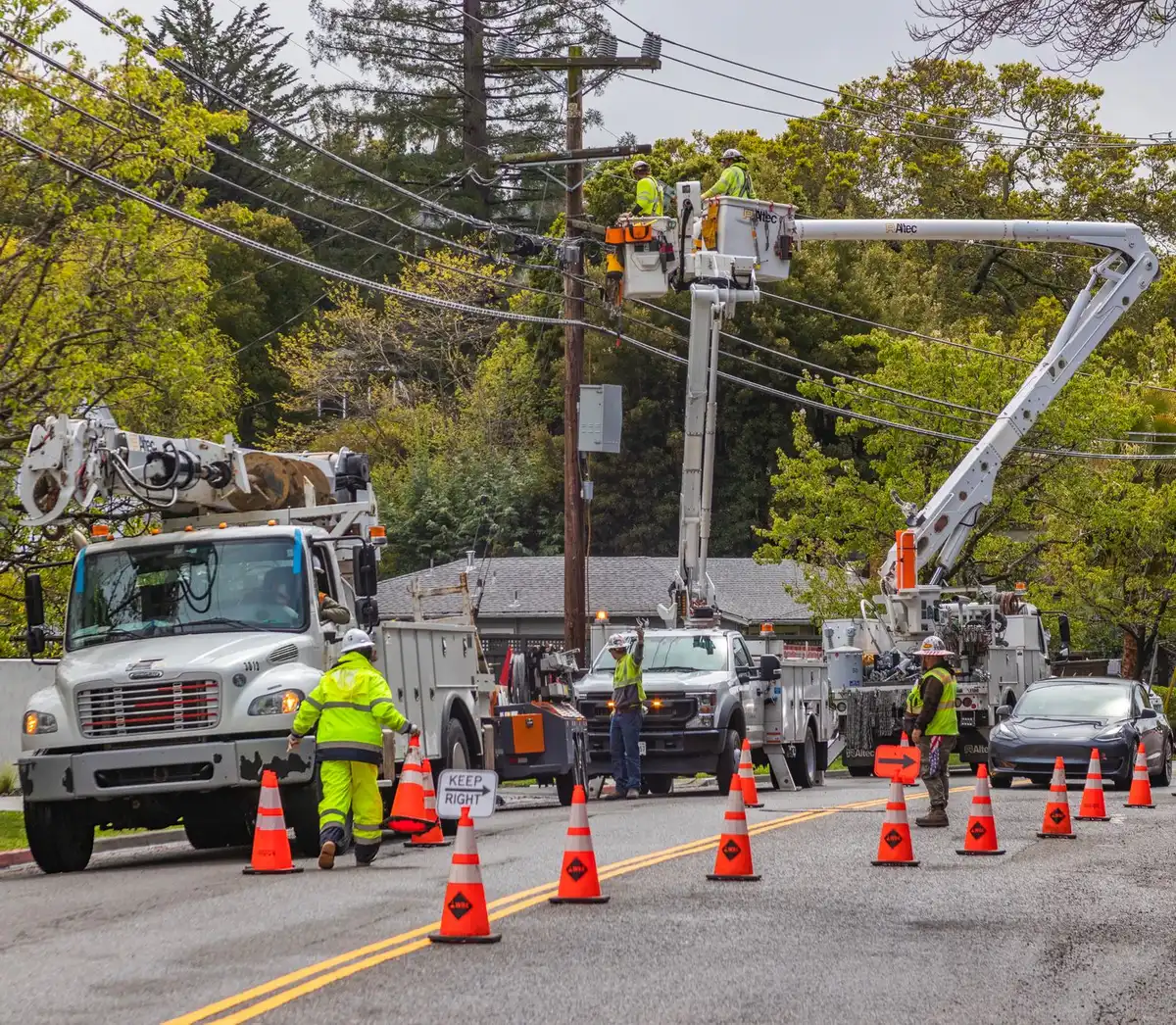
The July 27 outage occurred amid a broader summer of power grid strain across the Midwest. The US power grid emergency measures expanded to 17 states amid heat wave conditions earlier in July, with utilities across the region preparing for elevated demand during extreme weather events. Power outages affecting hundreds in South Carolina and other regions have highlighted the vulnerability of aging infrastructure to severe weather.
NIPSCO crews worked through the night to clear debris, repair damaged poles and wires, and restore service to affected customers. As of Tuesday morning, more than 25,000 customers remained without power, down from the peak of 27,500. Indiana/Michigan Power, which operates in a neighboring service territory, reported more than 800 of its own customers without power from the same storm system.
Sources
- WSBT — confirmed 27,500 NIPSCO customers without power on July 27, 2026
- CBS Chicago — reported wind gusts over 60 mph, wake low explanation, Crown Point concentration, downed poles in St. John, and restoration efforts