Russia canceled its Navy Day parade in St. Petersburg on July 27, 2026, marking the second straight year the country has scrapped the annual celebration due to security concerns over Ukrainian drone strikes, as Vladimir Putin’s government faces growing threats to its most heavily defended cities.
Kremlin Spokesperson Dmitry Peskov announced the decision on Sunday without specifying the exact threat, but Russian Defense Ministry sources told the St. Petersburg news outlet Fontanka that military officials had received no orders to organize the parade. A Navy spokesperson told the outlet that “it’s not the right time.”
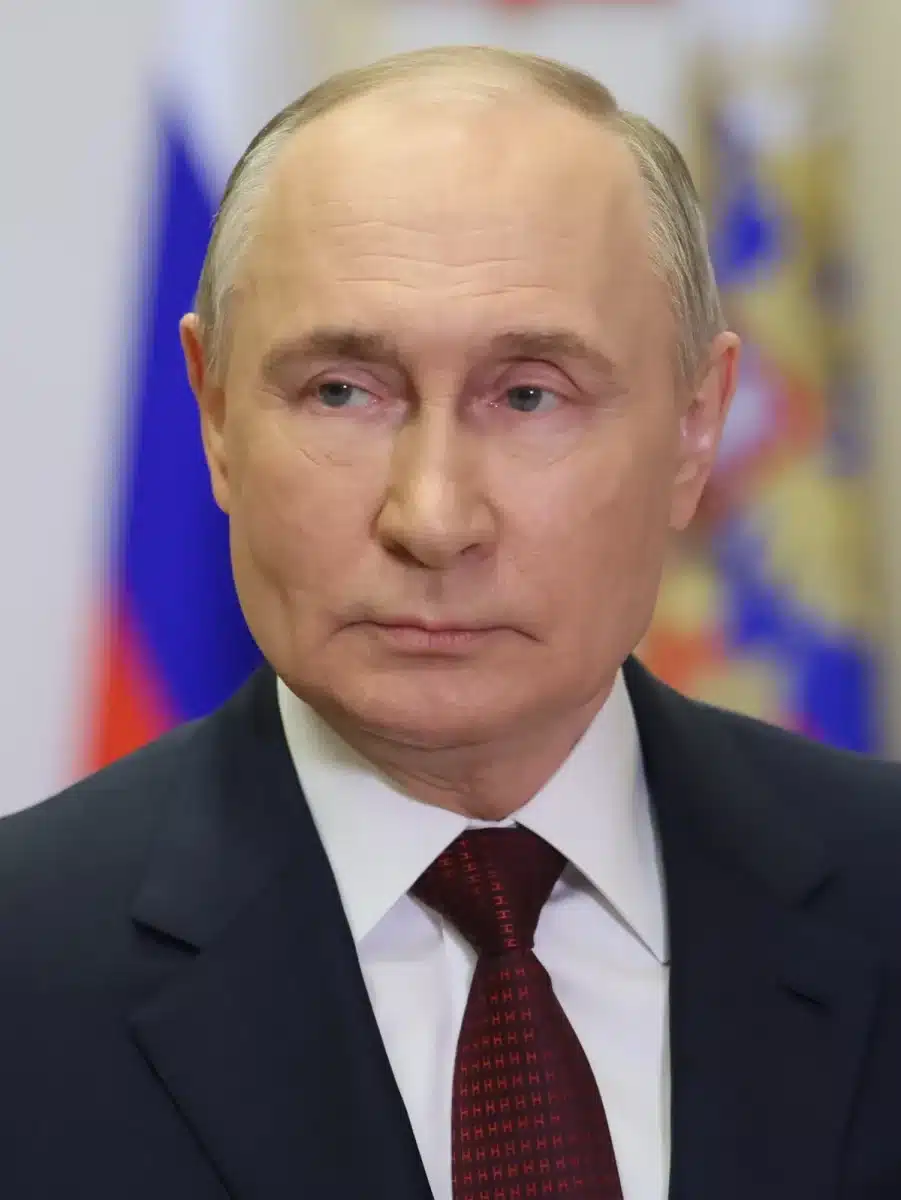
Putin instead delivered an address to sailors at the Admiralty, the Russian Navy’s headquarters in St. Petersburg, on July 26. His visit coincided with large-scale internet blackouts across the city, residents reported. While Putin praised the Russian navy’s strength in his speech, the canceled parade underscores how Ukrainian long-range drone capabilities have begun to threaten Russia’s power centers and disrupt the military displays Putin uses to project strength.
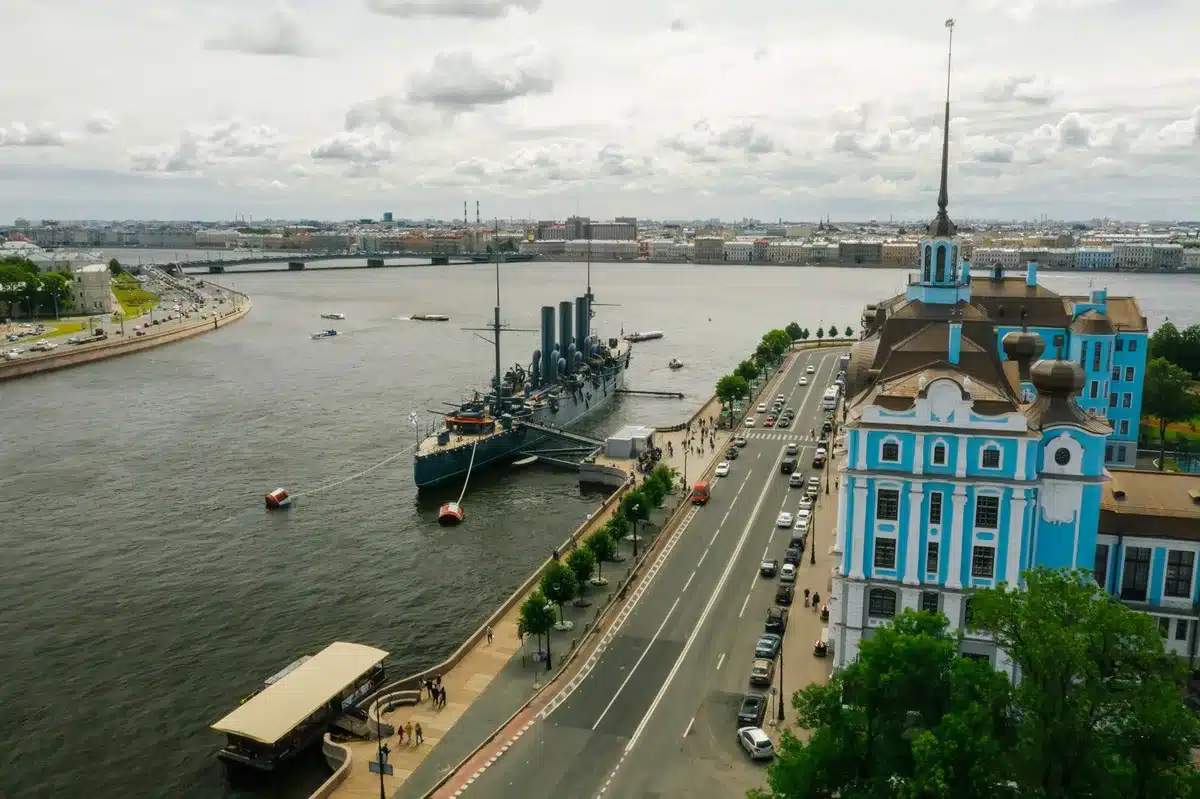
Ukraine’s drone strikes on St. Petersburg have intensified dramatically over recent months. In early June, Ukrainian forces launched a mass drone attack on the city during the opening day of Russia’s annual economic forum, striking the St. Petersburg Oil Terminal and military targets near Kronstadt. The St. Petersburg International Economic Forum is Putin’s showcase of commercial prosperity, and the attack blanketed the city in black smoke as Putin and international business leaders arrived for the conference.
More recently, on July 24, Ukraine struck Wildberries logistics warehouses in St. Petersburg, grounding flights at Pulkovo Airport and sending thick plumes of smoke into the sky. The strikes demonstrate that Ukraine’s expanding deep-strike capabilities now reach targets over 1,100 kilometers (about 684 miles) from its border, even in heavily defended areas where Russia has concentrated air defenses.
A Pattern of Canceled Celebrations
The 2026 cancellation extends a pattern of Russian military parades being scaled back or called off entirely due to security threats. In 2025, Russia canceled the Navy Day parade for the first time since the tradition was reinstated in 2017, citing “security reasons” and the “general atmosphere.” In 2024, authorities canceled only the Kronstadt portion of the parade while allowing the St. Petersburg segment to proceed, after Russian security services warned of a likely Ukrainian attack on naval vessels.
That 2024 warning was significant enough that then-U.S. Defense Secretary Lloyd Austin held two phone calls with Russian Defense Minister Andrei Belousov to discuss the threat, and the Pentagon subsequently urged Ukrainian officials not to carry out potential attacks during the parade. In May 2026, Russia also scaled back its Victory Day military parade in Moscow, removing tanks and heavy weapons from the traditional Red Square display, citing fears of Ukrainian strikes even though President Volodymyr Zelensky had granted permission for the event.
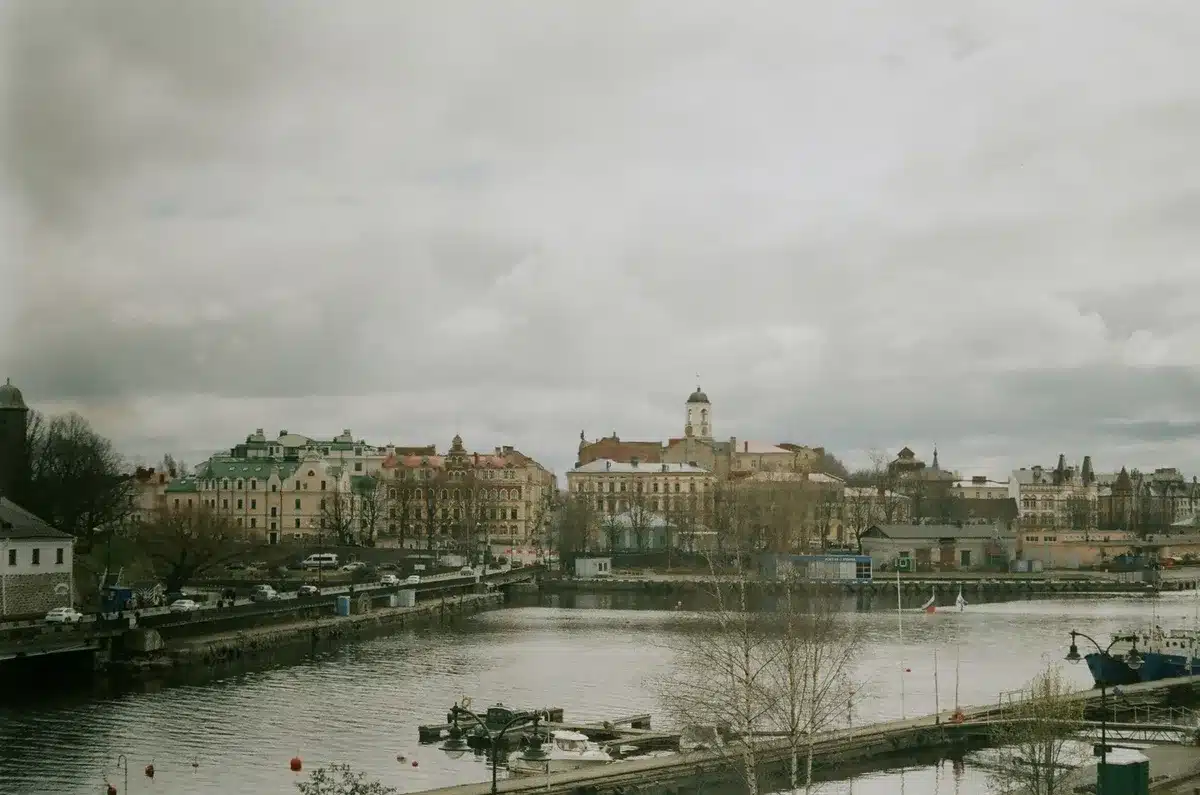
The successive cancellations reflect a shift in the military balance. Ukraine’s ability to conduct precision strikes at extreme range has grown more frequent and more accurate since last year’s parade cancellation. The country’s drone industry has advanced rapidly, and Ukraine is now able to strike targets at distances exceeding 3,000 kilometers (approximately 1,864 miles), according to President Zelensky. These capabilities have forced Russia to abandon or drastically scale back the military spectacles that have historically served as centerpieces of Putin’s domestic political messaging.
Sources
- Kyiv Independent — confirmed the parade cancellation on July 27, 2026, details on Ukrainian drone strikes in June and July, and analysis of Ukraine’s expanding strike capabilities.
- The Moscow Times — reported on the Defense Ministry sources and Navy spokesperson statements, the pattern of cancellations in 2024–2026, and the 2024 U.S. Defense Secretary phone calls with Russian officials.
- Reuters, AP, DW, CNN, New York Times, BBC — corroborated Ukrainian drone strike details, St. Petersburg attacks, and the pattern of Russian military parade security concerns.