India’s education minister Dharmendra Pradhan resigned on Saturday, July 25, marking the first major concession from Prime Minister Narendra Modi’s government after weeks of nationwide “Cockroach” protests that have become the biggest public challenge to Modi’s rule in his third term.
Pradhan announced his resignation on social platform X, following sustained demonstrations that demanded his removal over alleged leaks in the National Eligibility cum Entrance Test (NEET), India’s undergraduate medical school entrance exam. About 2 million students took the exam on May 3, but it was later scrapped after its question papers were found to have been leaked, with about a dozen student suicides linked to its cancellation.
The youth-led Cockroach Janta Party, founded on May 16 by Abhijeet Dipke, a 30-year-old Boston University graduate, channeled frustration over the exam leak into a broader movement demanding accountability. The movement tapped into concerns among India’s under-30 population—more than half the country’s 1.4 billion people—who face high youth unemployment, education system failures, and limited economic opportunities. The party amassed over 22 million Instagram followers within days of its launch, using satirical memes and creative storytelling to amplify youth anger.
Thousands of supporters camped at Jantar Mantar, a historic protest site in New Delhi, for more than a month. Police used tear gas and batons to disperse marchers on July 20 when tens of thousands attempted to march on parliament, injuring over 100 people and intensifying anger among demonstrators. The crackdown did not deter protesters, who continued their sit-in demanding Pradhan’s resignation.

The Cockroach movement’s success stands in stark contrast to Modi’s 12-year pattern of resisting calls for minister resignations despite major controversies. When a Muslim ironsmith was lynched in 2015 over suspicions about a cow, Culture and Tourism Minister Mahesh Sharma called it “an accident” and refused to resign, staying in office for years. Similarly, after Dalit doctoral student Rohith Vemula hanged himself in 2016 following hostel eviction allegedly influenced by federal ministers Smriti Irani and Bandaru Dattatreya, both remained in Modi’s cabinet despite nationwide protests. In 2021, Junior Home Minister Ajay Mishra Teni’s son was accused of running his car over protesting farmers, killing four farmers and a journalist, yet Teni stayed in office until losing the 2024 election. The sole exception came in 2021 when Health Minister Harsh Vardhan resigned during the coronavirus pandemic’s deadly second wave.
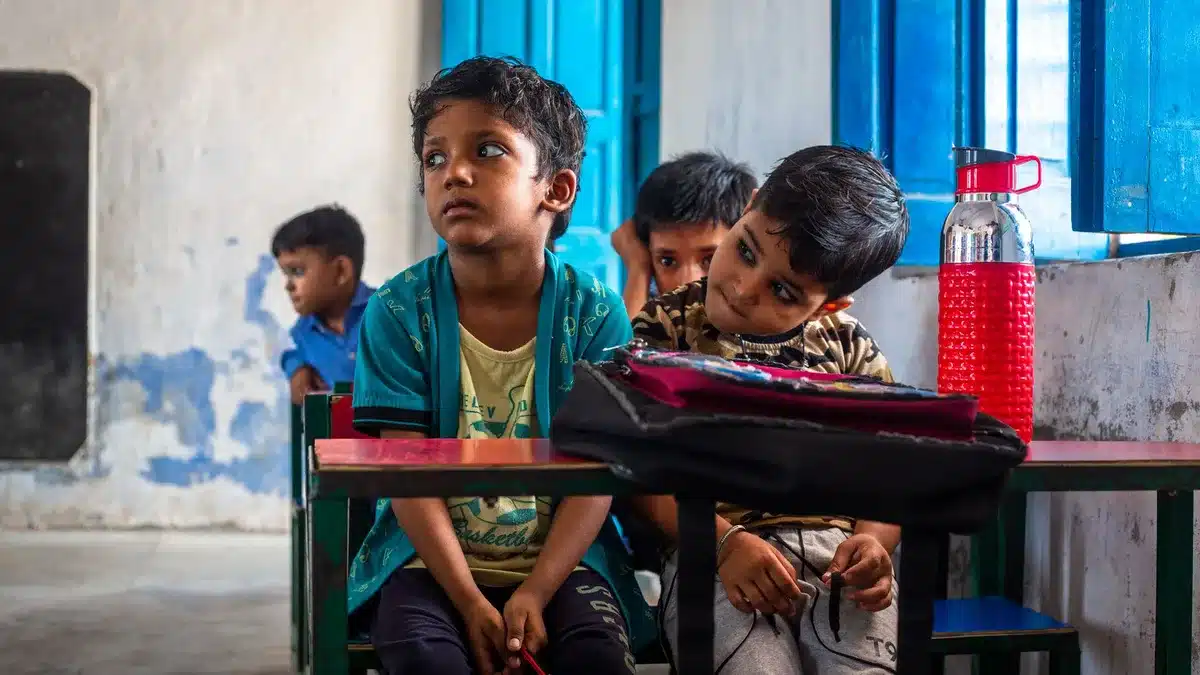
Pradhan’s resignation represents a watershed moment for India’s Gen Z, who have grown increasingly frustrated with exam scandals that stretch back years. The NEET exam itself faced similar leaks in 2024, though a re-test was not ordered at the time. The exam is the sole gateway to undergraduate medical courses across India, with millions competing for fewer than 150,000 seats annually, making it one of the country’s most brutal entrance exams. The pressure extends far beyond exam day—students often spend years preparing, facing immense psychological strain and financial burden on families.
The movement’s demands extended beyond Pradhan’s ouster. Protesters called for broader exam reforms, compensation of 10 million rupees (approximately $104,000) each for families of students who died by suicide after the exam leak, and the release of fasting activist Sonam Wangchuk, who was hospitalized during the protests. Prime Minister Modi had promised to set up fast-track courts to speed punishment of officials accused of leaking examination papers, but protest leaders said these measures fell short of accountability.
Following Pradhan’s resignation, the Cockroach Janta Party agreed to end its protests after talks with the government. The movement’s success has sparked wider discussion about youth unemployment—nearly 40% of graduates aged 25 and under are unemployed according to research by Azim Premji University—and the government’s accountability to a generation that makes up more than half of India’s population.
Sources
- Associated Press — confirmed Pradhan’s resignation on July 25, 2026, after weeks of protests demanding his removal over alleged NEET exam leaks and irregularities
- Al Jazeera — detailed Modi’s 12-year pattern of resisting minister resignations despite major controversies, including the Mahesh Sharma, Smriti Irani, and Ajay Mishra Teni cases
- Reuters — reported the Cockroach Janta Party’s founding on May 16, 2026, by Abhijeet Dipke, and documented the movement’s demands for exam reforms and compensation
- CNN — profiled Abhijeet Dipke as a Boston University graduate and founder, reported the movement amassed 22 million Instagram followers, and detailed youth unemployment statistics
- The Hindu — reported Pradhan’s resignation announcement on X on July 25, 2026