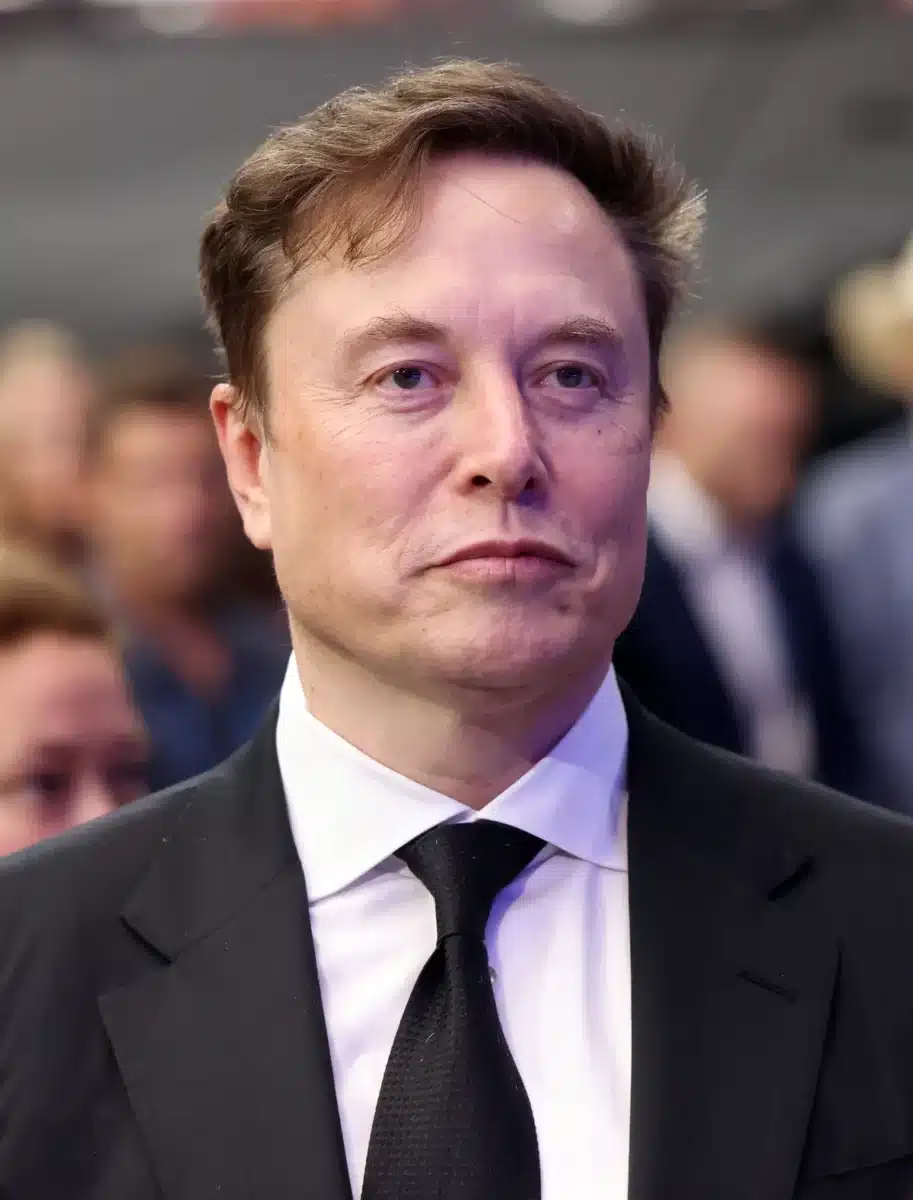
Dharmendra Pradhan resigned as India’s Education Minister on July 25, 2026, after weeks of massive nationwide protests demanding his removal over the NEET paper leak scandal that disrupted the nation’s largest medical entrance examination.
The resignation came after the National Testing Agency cancelled the NEET-UG 2026 exam held on May 3, 2026, following widespread allegations of a paper leak. The cancellation affected nearly 22.8 lakh students who had registered for the test, with women comprising 58 percent of those impacted. The incident triggered a crisis in India’s education system and sparked nationwide student-led demonstrations.
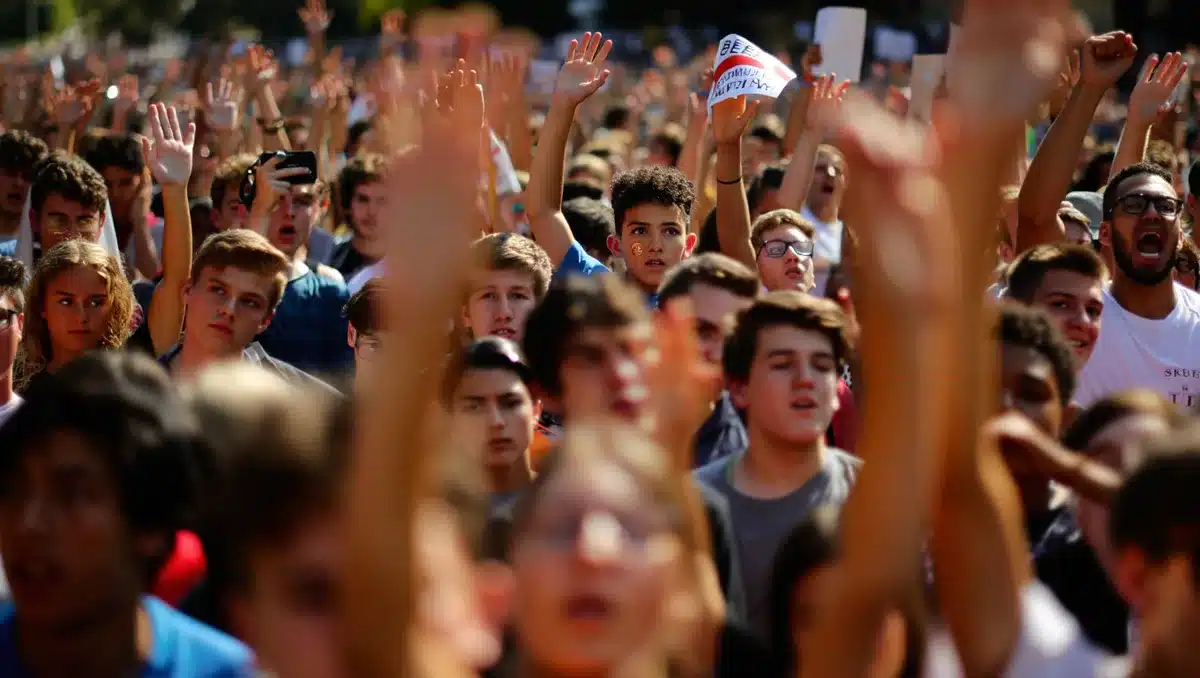
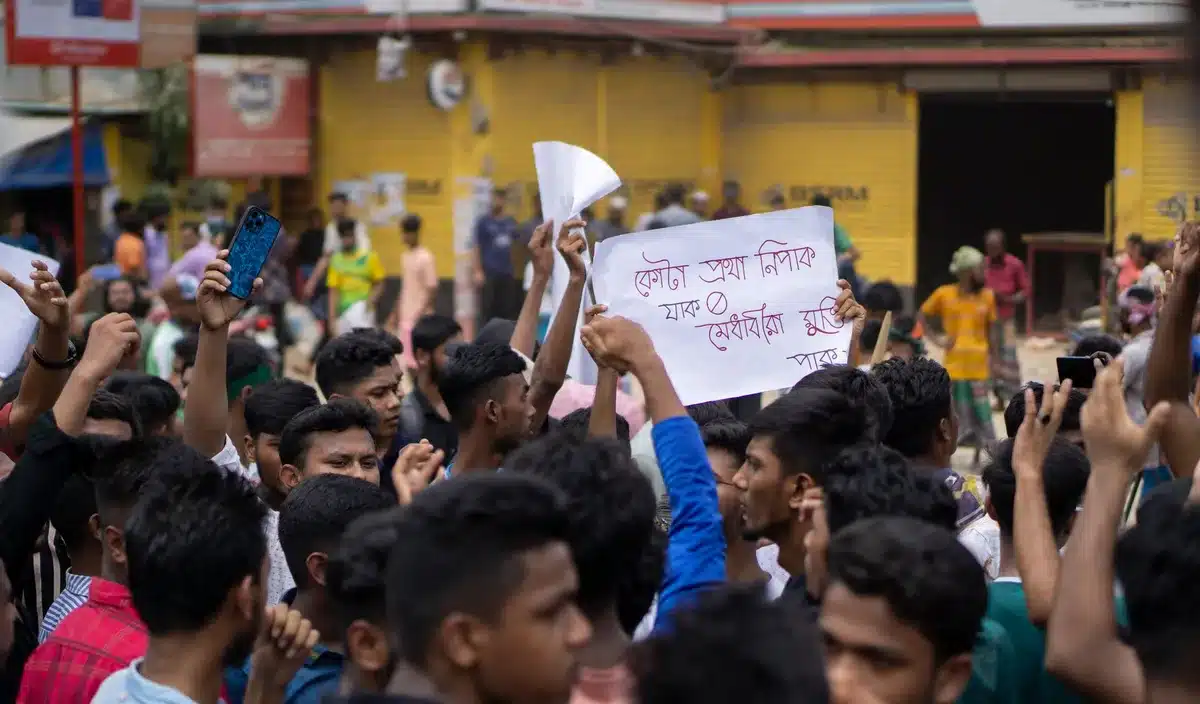
The Cockroach Janta Party (CJP), a student-led protest movement, organized demonstrations beginning in June 2026, with the primary demand being Pradhan’s resignation. The protests intensified throughout July, with thousands of students converging on Delhi’s Jantar Mantar in what became one of the most visible youth-led agitations in recent Indian politics. Climate activist Sonam Wangchuk, known for his environmental advocacy in Ladakh, joined the movement and undertook a 26-day hunger strike in solidarity with the student protests, drawing international attention to the crisis.
The NEET paper leak was not an isolated incident. According to reporting on India’s exam system, over 90 exam leaks and irregularities have been documented across two decades, suggesting systemic vulnerabilities in the National Testing Agency’s security protocols. The 2026 scandal intensified scrutiny on the agency’s ability to maintain exam integrity despite claims of enhanced security measures.
In the lead-up to Pradhan’s resignation, the government had initially resisted calls for his removal. Multiple sources reported that as recently as July 24, 2026, government officials said Pradhan would not resign and that his position remained firm. However, following continued pressure from student movements, opposition parties, and civil society, the government reversed course. Opposition leader Rahul Gandhi and members of the INDIA bloc had made Pradhan’s resignation a non-negotiable condition for any parliamentary discussion on the education crisis.
Pradhan, who became Education Minister in July 2021 and retained the position after the 2024 general election, had previously defended his tenure and criticized opposition leaders for exploiting student grievances. In statements released during the protests, he claimed he was committed to reforming the education system rather than abandoning his post. However, sustained pressure from student activists, the opposition, and public sentiment ultimately led to his decision to step down.
The resignation marks a significant moment in India’s recent political history, where a sustained youth-led movement succeeded in holding a senior cabinet minister accountable for systemic failures in his ministry. The CJP protests, amplified by Sonam Wangchuk’s visible sacrifice and the participation of thousands of students, demonstrated the power of organized civil society to influence government decision-making on education policy.
Sources
- Livemint — Confirmed Dharmendra Pradhan’s resignation as Union Education Minister on July 25, 2026, and provided context on historical ministerial resignations in India.
- Al Jazeera — Reported on the NEET paper leak scandal, its impact on over 2 million aspiring doctors, and the government’s handling of the crisis.
- BBC — Documented Sonam Wangchuk’s 26-day hunger strike in support of the Cockroach Janta Party protests and the scale of student mobilization.
- Frontline — Provided detailed statistics showing that nearly 22.8 lakh students were directly affected by the NEET cancellation, with 58 percent being women.
- Tribune India — Reported on the broader pattern of exam leaks, documenting over 90 exam irregularities across two decades in India’s testing system.
- NDTV — Covered the CJP protests, government negotiations with student leaders, and opposition demands for Pradhan’s resignation.